Shooting guns in Houston, Texas
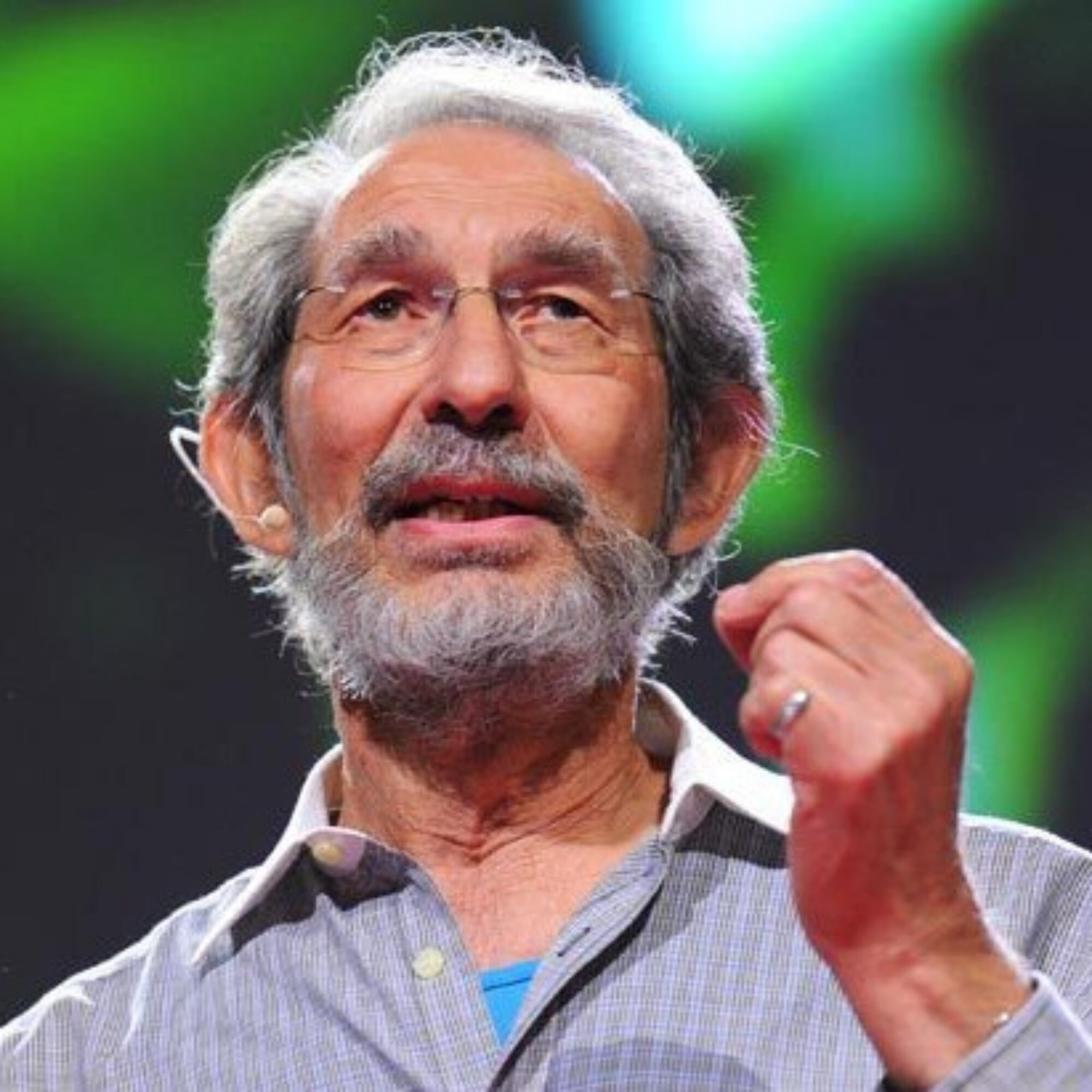
Me at the range in Houston

Shooting guns in Houston, Texas

I forgot to mention one of my most memorable experiences on my recent trip across the country: shooting guns. I'd never shot a handgun and had only shot a low-caliber rifle in North Korea. I learned a lot, as I'll describe below. From my train arriving in Houston, I caught a bus to an environmental research place. Before continuing with the story, I have to mention that most people I told I took a bus in Houston responded, "I've lived here ten years and never took the bus," or the like. Same when you tell Los Angeles people that you took the subway. Three things lined the highway from Houston to the research place: car dealers, fast food chains, and hotel chains. Plus one gun…

2 Comments
Americans are more disciplined than I am. By a lot.
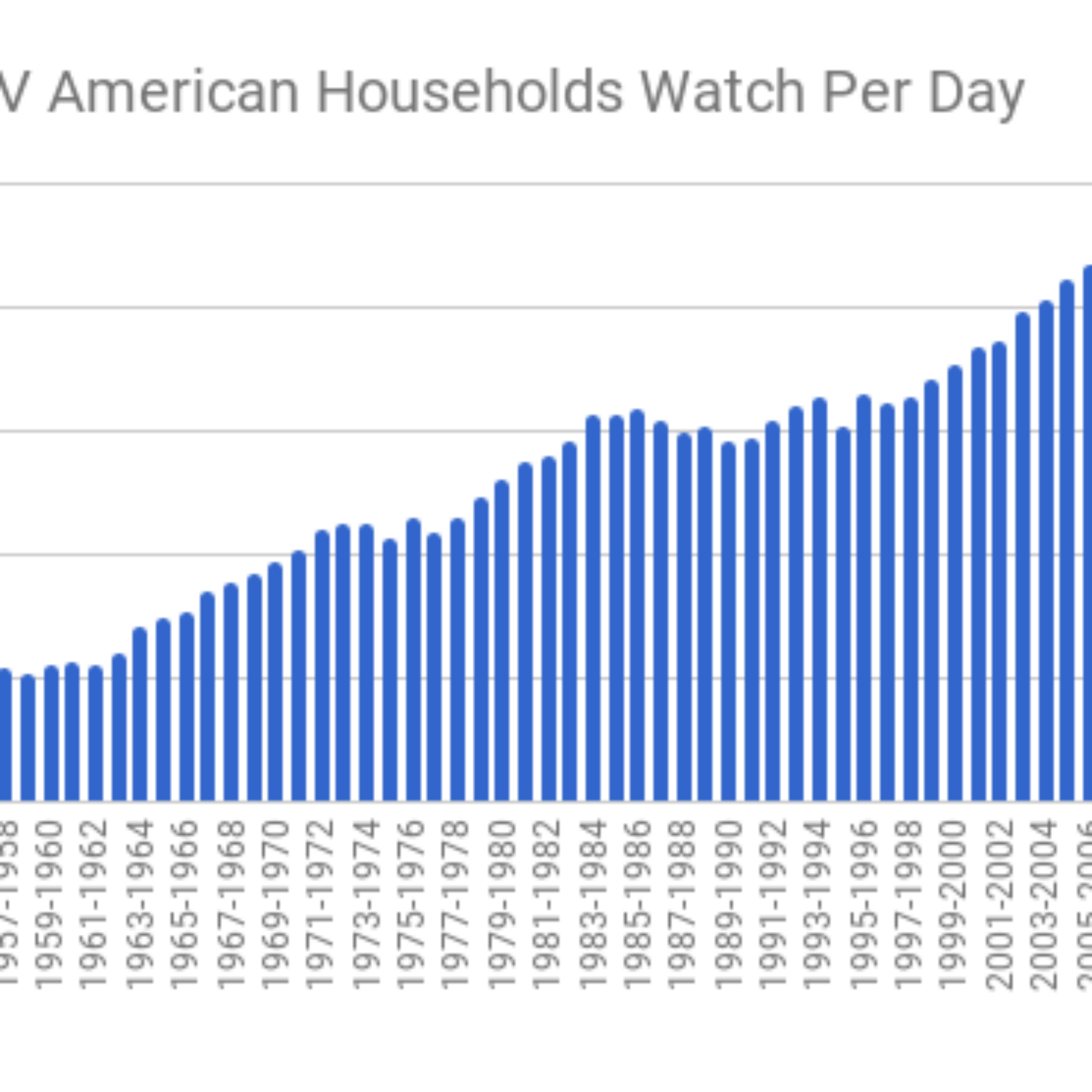
Nielsen numbers for television viewing time since 1949 (Nielsen)

Americans are more disciplined than I am. By a lot.

Walking back from a farmers market with some fresh Brussels sprouts, I can't believe how indulgent my life is. I meant just to drop off my compost, but they looked so delicious, I couldn't resist. People call me disciplined, but amid my indulgence, relative to Americans, I'm not. When it comes to voluntary choices to live by one's passions. Americans across the board sacrifice more and devote more resources to what they love more than I do. I conclude from their behavior that Americans love different things than I do. And they devote and sacrifice to bring what they love into their lives more than I do into mine. Let's look at some numbers. Time spent on passions I love being fit. I do calisthenics…

3 Comments

International Men’s Day

Two weeks ago was International Men's Day, November 19. Here's an infographic from Cassie Jaye the director of The Red Pill documentary, and her team. I profiled her in Inc, I think it speaks for itself.

0 Comments

Dave Asprey, Author: Changing the Game in Leadership and Life

Dave Asprey, Author: Changing the Game in Leadership and Life I saw Dave Asprey speak at a downtown Manhattan coworking space. You may think of Dave as the Bulletproof Coffee or bio-hacking man, but I was there for a different reason. I'd read his new book Game Changers: What Leaders, Innovators, and Mavericks Do to Win at Life. It's a different turn for him. The book compiles leadership and life lessons from hundreds he learned from. I teach leadership, and I wanted to see if he practiced what he shared. Was he the real deal? I've been to events at this space. This was the first I'd seen standing-room only. Nobody left while he spoke for hours. When I first learned of him, I thought…

0 Comments

Inspired by the first women to wear pants

The latest crazy talk people have hit me with is describing not flying and avoiding garbage as "unsustainable" and "impossible." Many say I'm wasting my time. As best I can tell, they're excusing themselves for living against their values, but it's let me to see my behavior in new ways. Call me crazy, but I believe polluting less is the future, no matter how impossible it seems for people who prefer to delay action by saying they're building "awareness" or making themselves more "conscious," as if they need more front-page news to remind them that nature isn't waiting around for them, nor reacting to their minds. Nature responds to our behavior. The first women wearing pants Some woman wore pants for the first time. At…

0 Comments

Amtrak, Japan Rail, and the Environment: Changing Systems

I saw some Japanese people on an Amtrak train. I wondered what it must feel like to ride decrepit trains running slowly, stopping often, late by hours, and creaking when they're used to fast trains, where 1 minute late is significant. I got to thinking how to modernize Amtrak if we wanted. A technological change won't do it. You can't just bring their fast trains over and run them at top speed. They won't, given our tracks, signaling, power systems, and so on. You have to change everything. Changing any one technological part won't show results. Even changing lots of technological parts won't make the trains run faster, more on time, more smoothly, etc. Changing the technology is still necessary, but not enough, nor significant…

0 Comments

The Ethicist: Do I Tell My Father That My Brother Might Not Be His Son?

My series answering the New York Times' Ethicist column with an active, leadership approach instead of an analytical, philosophical perspective continues with "Do I Tell My Father That My Brother Might Not Be His Son?". I am the executor of my father's will. He is 82 years old and frail, and lately I have been troubled by a question. My brother may not be his child, and my mother and siblings all know this (including the brother in question), but my father does not. My parents are divorced and not on good terms. My mother is fairly sure that my brother is not my father's child, but a DNA test would have to be done to be certain. If my brother is not my father's…

0 Comments

30 highlights and lowlights from a triumphant month on the road

I'm on the train from Atlanta home to New York. I left October 29 and visited Chicago, Los Angeles, Ventura, San Diego, and New Orleans too. The impetus came from attending the Summit in L.A. I found reasons to visit places along the way. Here are 30 highlights an lowlights from the trip. 1. I traveled intercity only by train and bus since I'm not flying. 2. At the Summit I spoke to several world-renowned people, establishing relationships, and taking steps to record conversations with them for Leadership and the Environment. They're bestsellers, TED speakers with collectively over 150 million views. 3. I got a guided tour of Patagonia's headquarters, which Leadership and the Environment guest Vincent Stanley set up. Their culture is incredible and…

2 Comments
Martin Luther King and the Environment
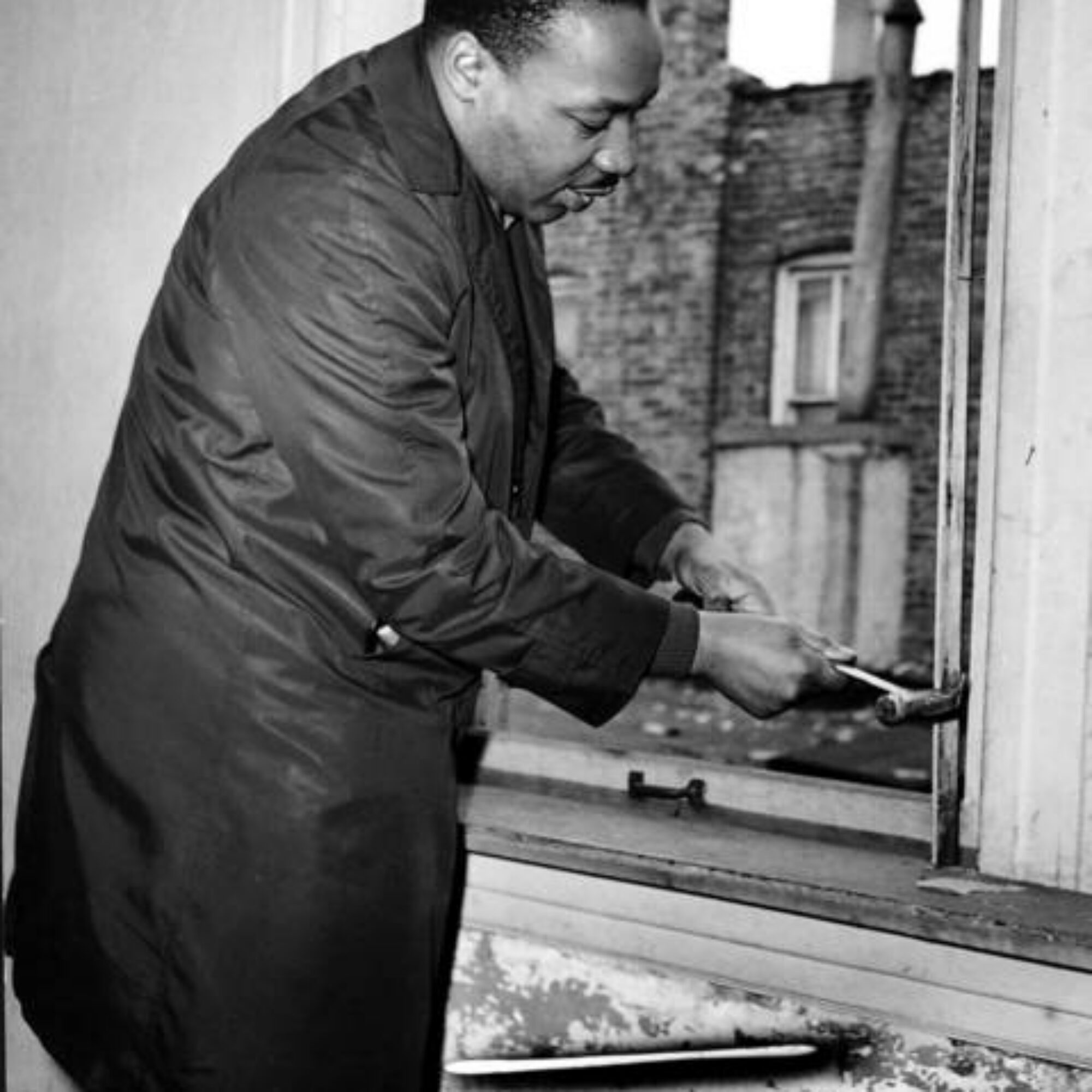
Martin Luther King fixing a Chicago slum apartment in 1966

Martin Luther King and the Environment

People keep praising my polluting less by avoiding packaging and avoiding flying, but few change themselves. Would-be leaders talk about how others should change their behavior while they don't change themselves. Here's an article by the CEO of Coca-Cola, Why a World Without Waste is Possible, describing some change other people did but not change he did. Maybe he's reduced his personal pollution, but I don't see it. I suspect he flies a lot and has all the excuses in the world justifying his flying. Most people I talk to about their personal pollution claims that their pollution Doesn't hurt the environment, Is impossible to avoid, or Helps the environment I'm not going to recount their mental gymnastics. They often call my reducing polluting "privileged,"…

0 Comments

105: Evelina Utterdahl, part 2: A Month Avoiding Plastic!

Evelina said she'd avoid plastic for a month before she could think twice about it. Did she complain or back out? You'll hear in this episode, but the big picture is that instead of giving up, she worked harder. I've spoken to a lot of people who started from less and took on smaller projects, if anything. A lot of people talk. Evelina acted. She did a lot. And what do you know? She enjoyed acting more than most people, who seem to prefer saying how helpless they are, despite the sorrow it seems to bring them. Recall, she is a travel writer and chose not to fly. She's already done more than nearly anyone. She takes personal responsibility for what she does. But hearing…

0 Comments

104: Jared Angaza, part 2: Motherhood and Apple Pie

Since appearing on his podcast, he and I have become friends. You can't hear it in this recording, but since meeting on line, I've met him in San Diego, where I stayed in his guest bedroom, meet his family, and cooked my famous no-packaging vegetable stew together. So this episode is more personal. Jared has acted more than most to live by his environmental values, so you'll get to hear someone not complaining. You get to hear people who have acted sharing our experiences. If you haven't acted and mean to, you'll hear that from other side. We don't complain, though we wonder why people don't act. To me this was an open, honest conversation among people who are making meaningful changes in their lives…

0 Comments

Writing hurts

Writers say "writing is easy. You only have to sit at the typewriter and bleed." They're talking about sharing vulnerability, I believe. It also hurts physically. I just sent my editor my third draft of my second non-self-published book. Writing takes enough effort at home. Traveling makes it that much harder. In any case, my butt hurts from sitting so long. My eyes are red from watching the screen so long. My back hurts from staying in one position so long. My shoulders hurt. My legs are restless from lack of motion. I'm not complaining. I'm describing my physical experience of writing books. Few things I consider worth doing come without cost and I pay this cost willingly and happily. The activity just requires more…

0 Comments

Americans hate vegetables

People say New York City has great food, some of the best in the world. On this trip I've visited Chicago, Los Angeles, San Diego, and Houston. People keep taking me to places they describe as great. No place I've sampled in the past month features delicious vegetables unassaulted by copious amounts of salt, sugar, or fat. Brussels sprouts are sweet enough to eat raw, but restaurants exclusively roast them in a syrupy sauce. A salad may have some shredded lettuce, but unless you force them, they'll always include a lot of cheese, sugar-coated nuts, sugar-coated cranberries, or the like. They don't believe the vegetables can taste good, as far as I can tell. To someone who loves Brussels sprouts, glazing them with syrupy sugar…

0 Comments

The Ethicist: Am I Wrong to Believe My Friend Is Innocent of Rape?

My series answering the New York Times' Ethicist column with an active, leadership approach instead of an analytical, philosophical perspective continues with "Am I Wrong to Believe My Friend Is Innocent of Rape?". One of my closest friends was accused of raping a fellow student in college. There were no criminal proceedings, and he has always maintained his innocence. In the years since, he has not been accused again. I know nothing about the woman who accused him other than what my friend has told me about her — or about what happened, other than what he has told me — and having not been in the room with them, I must live with the fact that the truth is in some respects unknowable. I…

0 Comments

103: Geoffrey West, part 2: theoretical physics and the environment

In our second conversation, Geoffrey and I continue to pursue his unique approach to viewing the environment. I find it fascinating because he approaches the environment from a different direction, but he arrives to the same conclusion---the need for leadership to change cultural norms. Talking here gave him the chance to explore ideas he raised in his book but didn't pursue. He wanted to do so, as I understand him. His book went in that direction, but he kept conservative. We also considered the role of a scientist in our world's situation, then spoke about science, culture, the environment, and the role of scientists. It seems to me that we have to change the goals of our system, which doesn't mean stopping capitalism. On the…

0 Comments

102: Col. Everett Spain, West Point’s Head of Behavioral Sciences and Leadership

Many who serve in the military become leaders in business, politics, entrepreneurship, sports, and many other places. Why? What does the military teach so well? Few people can answer better than Everett, as the head of West Point's leadership department. To say he and his department have extensive experience and knowledge leading and teaching others to lead is an understatement. You'll also find few people more calm, gracious, friendly, patient, and helpful. I consider his voice eminently helpful to environmental causes because I see the lack of effective leadership to the greatest impediment to effective environmental action. If you want to improve your leadership, this conversation will tell you all you have to do. You may have to listen many times, but you'll hear what…

0 Comments
Letter to an 80-year-old on the environment
California is currently ablaze, after a record hot summer and a dry fall set the stage for the most destructive fires in the state's history. Above: The Woolsey fire, near Los Angeles, seen from the West Hills. Photograph by Kevin Cooley for The New Yorker

Letter to an 80-year-old on the environment

Remember this scene of Cypher's selling out his crew for his personal pleasure in The Matrix? https://youtu.be/Z7BuQFUhsRM My letter to an 80-year-old, prompted by an article on the environment 80-year-olds and 20-year-olds will view the environment differently. 80-year-olds might consider global warming, plastic pollution, extinctions, and so on abstractly. If environmental disaster will hit around 2050, that's someone else's problem. To 20-year-olds, 2050 is the prime of their lives. They have to deal with messes that generations before them left for them. I've emailed with a guy in his 80s whose only interests that he acts on regarding flying is his own. He loves the consequences of his actions that he wants, such as visiting places, and ignores the ones he doesn't like, like the…

0 Comments

Why Every Parent Should Watch This Movie

Have you noticed how many of today's most successful people chose to leave our educational system--Bill Gates, Oprah Winfrey, Steve Jobs, Richard Branson, Mark Zuckerberg, Erin Brockovich, Elon Musk, Sean Combs, Lauren Hill, Michael Dell, Whoopi Goldberg, Larry Page, and Sergei Brin, to name a few. Ever wonder why people who chose to leave mainstream education became so successful? Why did breaking the once-standard advice "stay in school" not work for them? As a professor of entrepreneurship and leadership at NYU, their consistent success drove me to learn and practice what works that school misses. My recent piece Why Every Parent or Student Should Read This Book describes self-directed learning, which answers a lot. Today I learned that the movie that inspired my learning about…

0 Comments

NYU pollutes “undeniably . . . head and shoulders above the rest”

One thing about nature. It doesn't react only to the consequences of your actions that you like. It reacts to all of them, including the ones you don't like. Take greenhouse gas emissions. You might like doing something that pollutes and emits greenhouse gases. You might wish that your activity didn't pollute, make the world unclean and impure, undue your intent to steward the environment, or hurt others, but if it does, your wish doesn't change that you aren't stewarding the environment, you are polluting, you are making the world unclean and impure, and you are hurting others. This passage just arrived in an email from NYU: One of NYU's great strengths—where we undeniably stand head and shoulders above the rest—is that we're able to…

0 Comments

Seth Godin caught my scarcity mindset

Chatting with Seth Godin before recording the last week's podcast episode, I shared with him how I keep secret the incredible ingredient I love cooking with---peanut flour. It's nearly the last packaged food I still buy, though I've found a mill that I think I can crank it out with my hands from peanuts. I haven't shared why I like it so much, but I make some of the most delicious, nutritious food with it. Anyway, when I joked with Seth that I kept it secret because it was so delicious, he asked, automatically, "Why would you keep it secret?" Though I said it as a joke, the innocence he asked with belay my hoarding tendency, based on a scarcity mindset. Caught. I felt momentarily…

0 Comments

Pollution and Garbage at Supposedly Eco Summit

Last month I attended the Summit, an multi-day event something like a mix of TED and Burning Man for entrepreneurial types. Nearly everyone I spoke to there about the environment described themselves as caring about the environment. Quoting the Summit's site, "The Summit community has a strong history of commitment to conserving our land and ocean natural resources and spaces." On one of its initiatives: "Summit Institute's mission is to apply creative solutions to real-world challenges related to the environment, education, the arts, health and social innovation." One of Summit's pillars is impact. Let's see its long-term impact. First, for context, here is a water fountain I found. Many attendees had passed it, but it was bone dry. This water fountain that many attendees passed…

0 Comments

Sexism in academia

Why are women's studies and gender studies departments so gender segregated---in particular, female dominated? I clicked the top few results in a search on "gender studies department." Nearly every name and image I saw on those pages seemed female. I then searched on "problems with male dominated fields" and got this post stating, "Male-dominated industries and occupations are particularly vulnerable to reinforcing masculine stereotypes that make it even more difficult for women to excel," then listing challenges women face in male-dominated fields, harassment, pay gaps, underrepresentation, and so on. Why would we not expect similar problems in female dominated fields? Are there no problems with women dominating fields? Incidentally, when I searched for "problems with female dominated fields," most results still covered problems with male…

2 Comments

Now that we see orange juice like soda, I predict olive oil to join

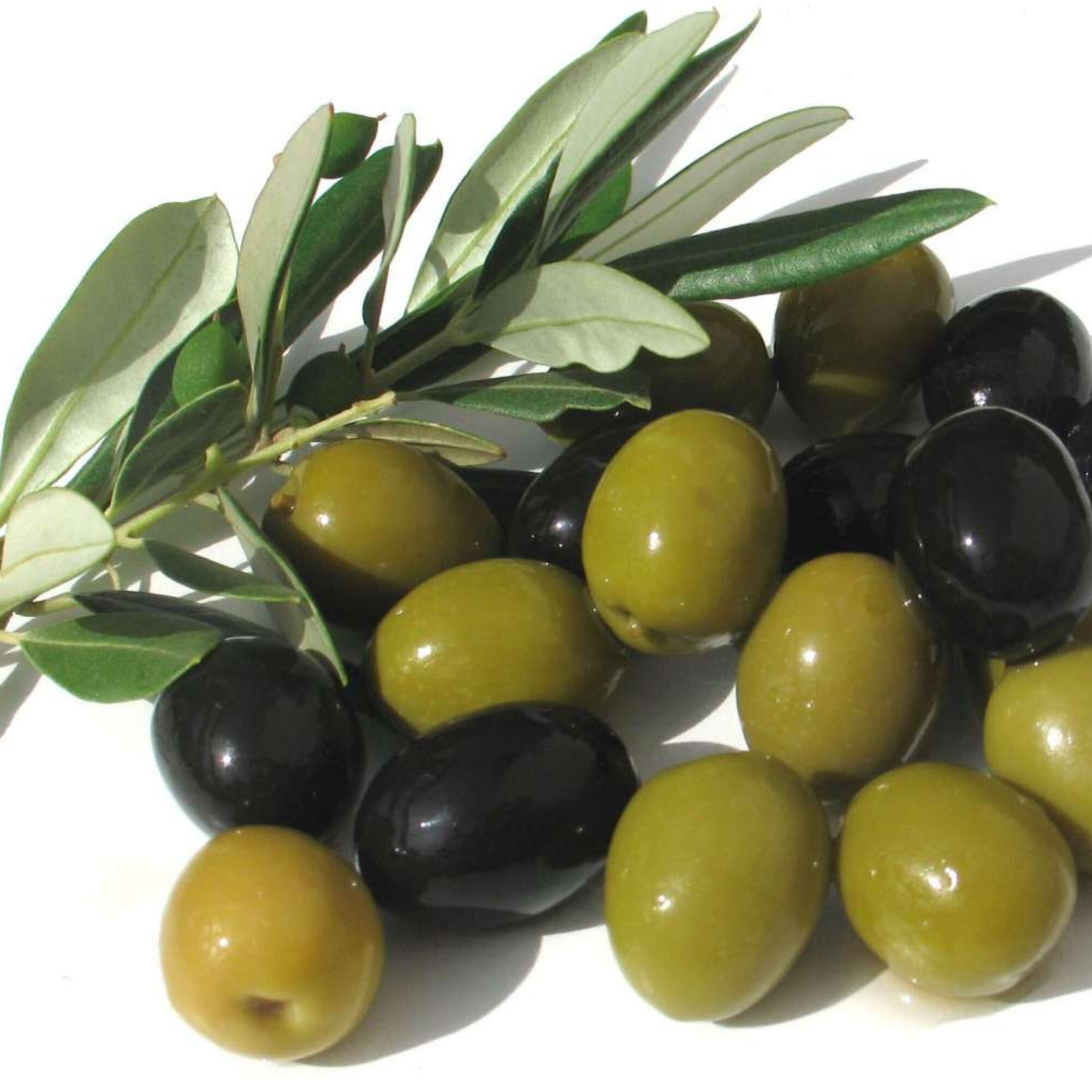
When I grew up, people considered orange juice healthy. Now I think people who looked it up generally agree that orange juice makers removed the oranges' nutrition, leaving what nutritionally resembles soda more. OJ may have some vitamin C, but when did you last hear of someone you know getting scurvy? Removing the fiber from a food usually removes most of its nutrition, which is why I'll still eat orange's peels, as in this video. People want to hold on to believing that orange juice is healthy, and it tastes sweet, but I think most medical professionals know otherwise. Olives I predict that olive oil will go the way of orange juice. It removes the healthiest part of the fruit in favor of the unhealthy.…

0 Comments

Environmental inaction and selfishness, Environmental action and selflessness

I've spoken to a lot of people about environmental action and inaction. While I haven't done double-blind randomized controlled experiments, I have seen one broad trend: People who act on their environmental values do so for others. People who don't act on their environmental values do so for themselves. Action Typical reasons people give for acting include: "I want to leave the world better than I found it," "Other people breathe that air," "This beautiful world is a gift and it's my responsibility to steward it for others," and "I want the next generation to have as clean and pure a world as we did." Inaction Typical reasons people give for keeping doing what they're doing include: "I don't have time," "It's not a priority…

0 Comments
Academia and privilege
According to Heterodox Academy, universities have become more liberal since the 80s.

Academia and privilege

When I was growing up in the 70s, when someone said something sexist others would say that person was living in the past. "It's not the 50s anymore. Get with the times, chauvinist pig." It took people time to catch up with how times had changed. I'll come back to chauvinism and living in the past in a moment. Privilege in academia in the past Today people talk about how privilege helps some groups advance in academia versus others. This Atlantic article, What I Learned About Life at My 30th College Reunion, prompted me thinking about it. It said: I don't love the fact—now made public through the trial but previously understood by all of us to be true—that the kids whose parents donate buildings…

0 Comments

End of content

No more pages to load