Models


Emptying my household garbage for the first time in 2019

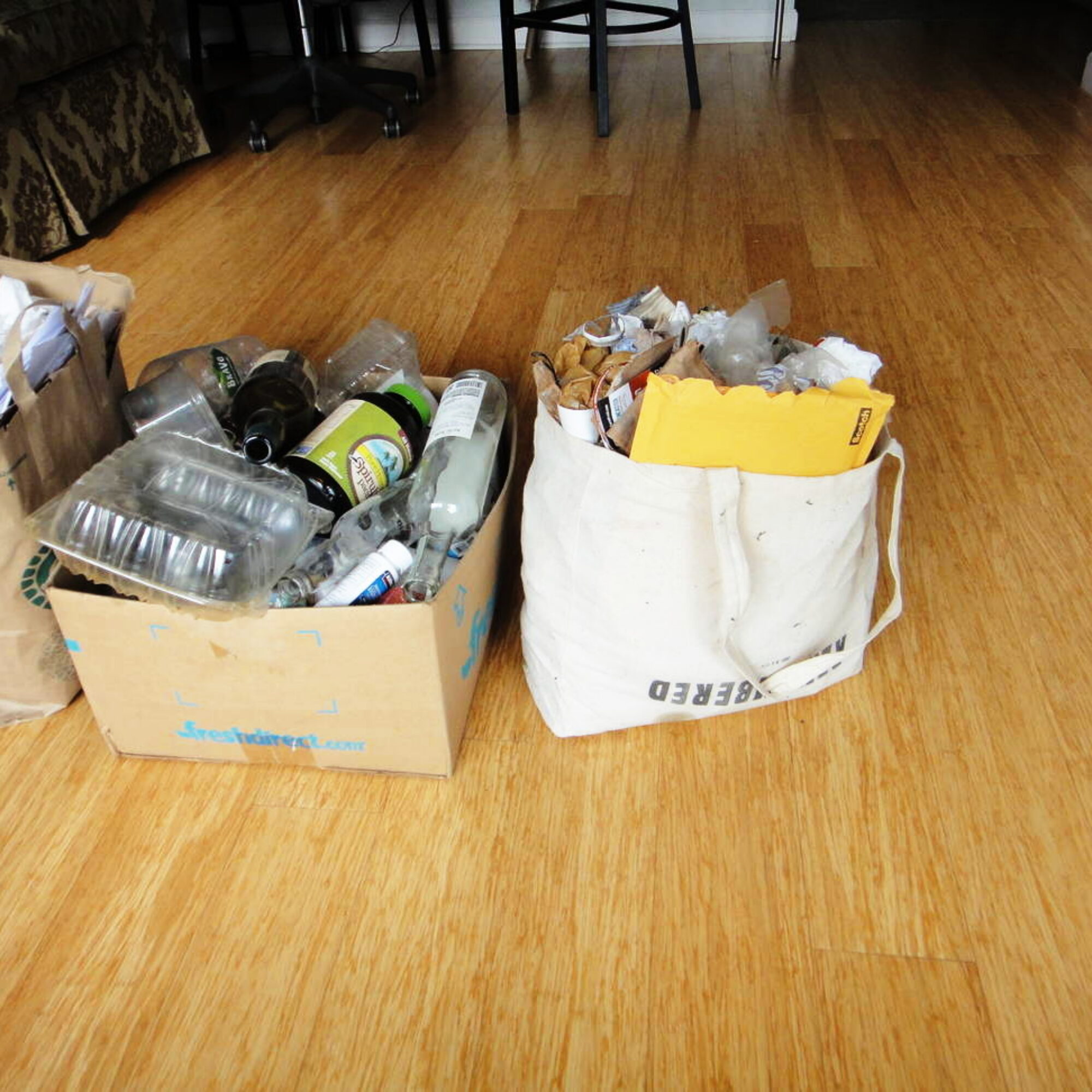
The last time I emptied a load of household garbage, and therefore started filling this load was September 2018. The time before that was, I think, June 2017. I figure I'll also empty my recycling. I see from when I put my high school love letters in the recycling that I started filling this load in late October, meaning I'm filling my paper recycling faster than I expected. I don't remember when I last emptied my plastic and metal recycling, but I see a beer can in it from the summer and it's not at the bottom, so at least six months. Recycling lowers Earth's ability to sustain life and human society nearly as much as landfill garbage, no matter how much people wish otherwise,…

0 Comments

Differences between management and leadership

I may have written these views before, but I find they boil management, leadership, and their differences to their essence, so if I'm repeating myself, I think they're worth it. Effective management results in compliance. Effective leadership results in inspiration. Leaders without management skills are often dreamers who don't get things done. Management without leadership is the DMV. If you want an engineer to sell, you can promise all the bonus pay you want, you can rarely manage an engineer into becoming a salesperson. Show that engineer how what you're selling delivers on something he or she feels passionate about and he or she will learn to sell it for his or her own reasons. But you'll eventually have to give him or her a…

0 Comments

Inspired by the first women to wear pants

The latest crazy talk people have hit me with is describing not flying and avoiding garbage as "unsustainable" and "impossible." Many say I'm wasting my time. As best I can tell, they're excusing themselves for living against their values, but it's let me to see my behavior in new ways. Call me crazy, but I believe polluting less is the future, no matter how impossible it seems for people who prefer to delay action by saying they're building "awareness" or making themselves more "conscious," as if they need more front-page news to remind them that nature isn't waiting around for them, nor reacting to their minds. Nature responds to our behavior. The first women wearing pants Some woman wore pants for the first time. At…

0 Comments

“White male privilege” and the Civil War

Frances Hesselbein is a hero and mentor to me. Her TED talk's bio is too brief to covers all her achievements, but gets the top ones: One of the most highly respected experts in the field of contemporary leadership development, Frances Hesselbein is the President and CEO of The Frances Hesselbein Leadership Institute, founded as The Peter F. Drucker Foundation for Nonprofit Management and renamed in 2012 to honor Hesselbein's legacy and ongoing contributions. Mrs. Hesselbein was awarded the Presidential Medal of Freedom, the United States of America's highest civilian honor, in 1998 for her leadership as CEO of Girl Scouts of the U.S.A. from 1976--1990, as well as her service as "a pioneer for women, volunteerism, diversity and opportunity." Her contributions were also recognized…

0 Comments

Mind-blowing learning that works: Self-Directed Education

Sometimes you discover a way of doing things so obviously more effective than how you were taught that you can't believe how twisted our society has become. The new way shows how much the systems we've created twist us to fit their goals, however much those goals smother and corrupt our basic humanity that served us for hundreds of thousands of years, living in harmony with our world, and still do in vanishing communities our twisted society is infecting, corrupting, and smothering. My educational discoveries A decade ago I heard of project-based learning. A few years later I started teaching that way and haven't looked back. I haven't prepared a lecture or given a test since (I hope my students don't feel I lectured). My…

0 Comments

Uneducated at Any GPA: Is the Ivy League Today Big 3 Auto of the 1960s?

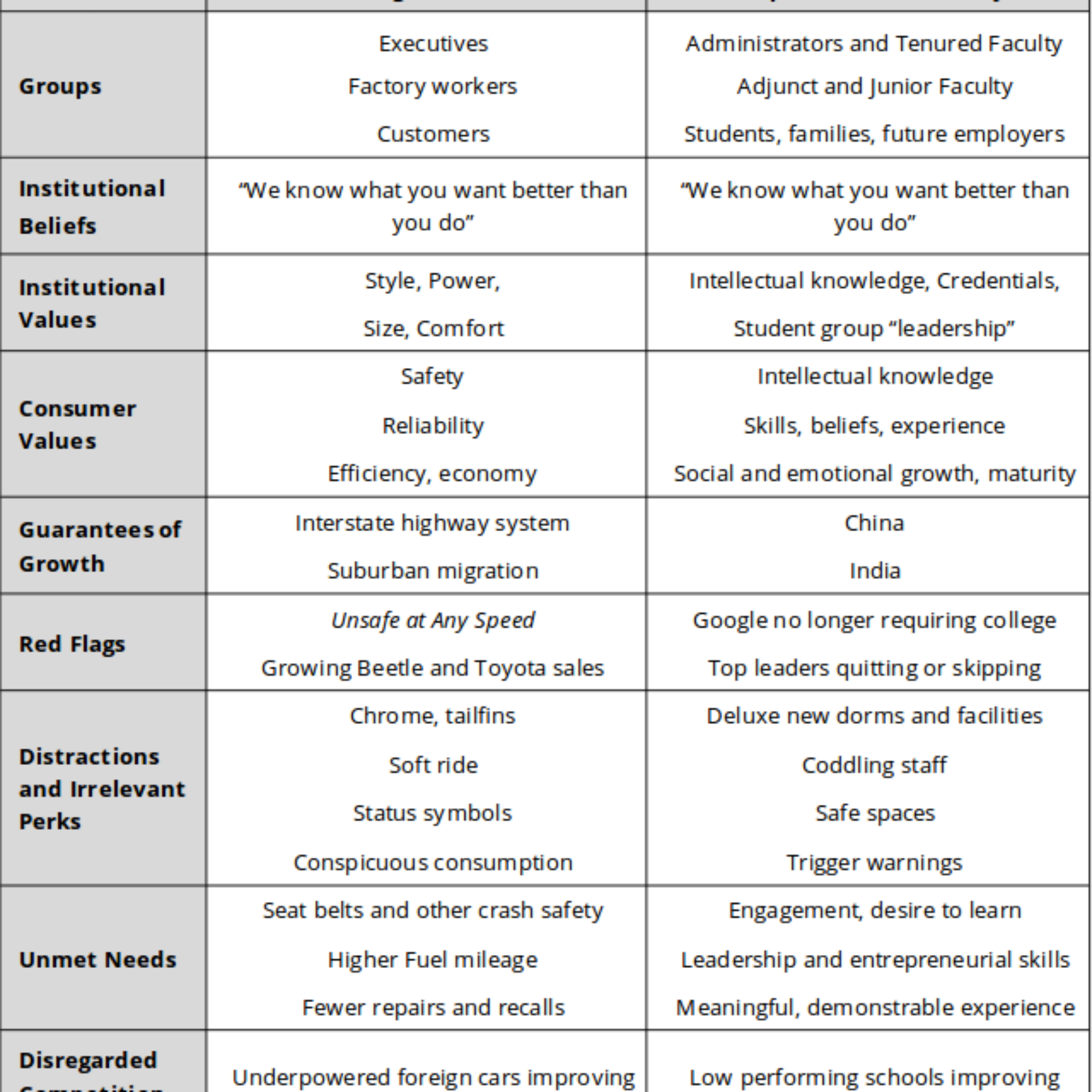
[On March 2, Quartz published my piece, Schumpeter Strikes Again: Why the Ivy League could end up like the big 3 carmakers: utterly disrupted. Here is an earlier, unedited version. Unedited means it has its flaws---too long for a magazine, too short for a book---but it develops some ideas beyond what Quartz had space for.] Uneducated at Any GPA Is the Ivy League Today Big 3 Auto of the 1960s? America's top universities today are like America's Big 3 car manufacturers of the 1960s: hugely profitable, projecting growth for decades, the envy of the world, dominating their markets, dictating terms to customers and employees, and accelerating to bankruptcy. Cars aren't diplomas, but besides the obvious differences between the fields, the systemic similarities suggest a need…

0 Comments

Marriage and the environment

You don't get married and it's done. You adopt a new mindset that it's not just you and you live that way for the rest of your life. It's always a part of your life, and you love the change. Having a child takes it to the next level. You take on more responsibility, and you love the change. The challenges never stop coming, never get easier, and never repeat, and you love the personal growth that facing and resolving them creates. Unlike 50% of marriages, we're locked into a world where our behavior affects everyone for our entire lives. Unlike the past, humanity has sadly used up the buffers between your waste and its effect on others. Parents can't party or travel as they…

2 Comments
Technology won’t solve environmental issues and you know it
A Watt Steam Engine

Technology won’t solve environmental issues and you know it

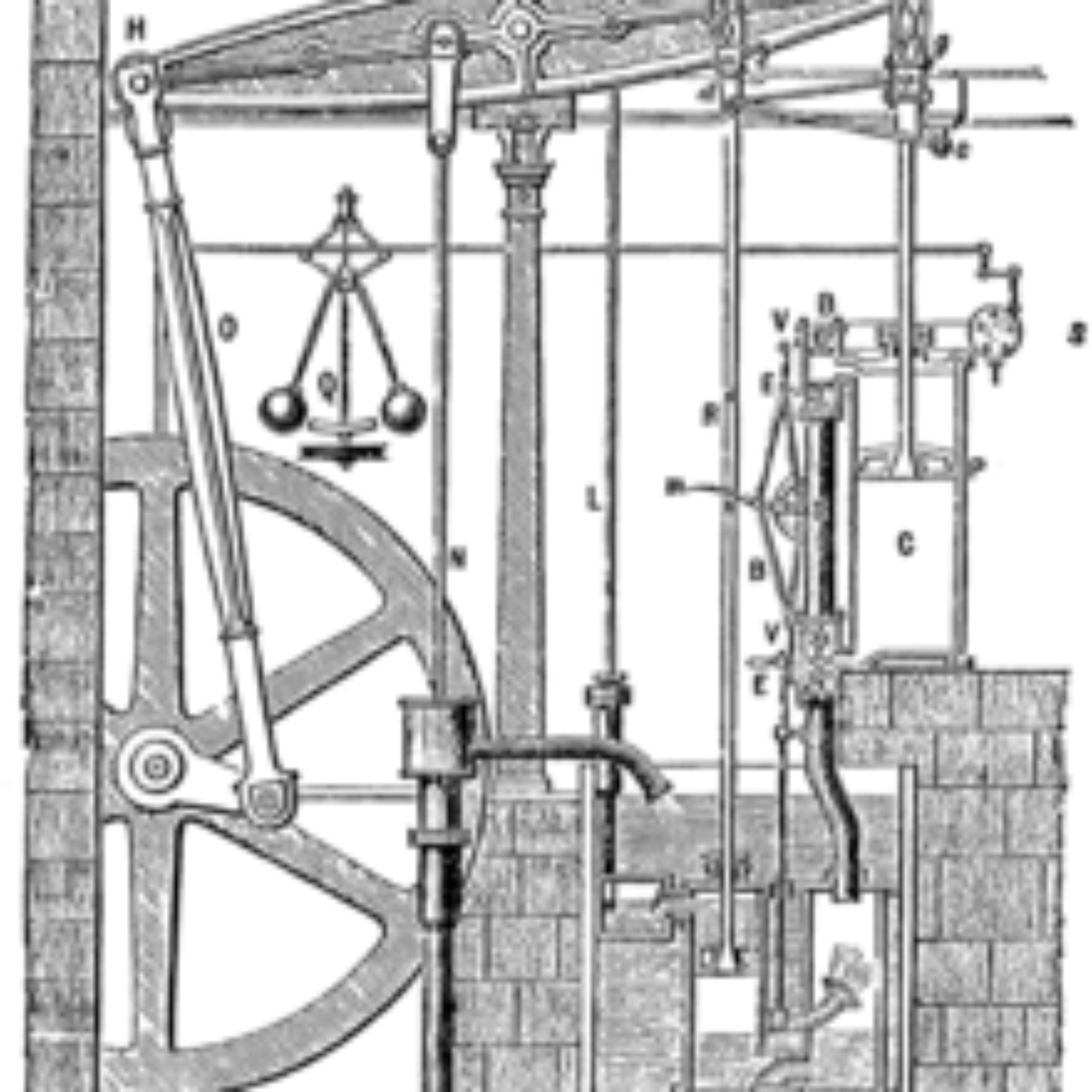
EDIT: I recorded a podcast version of this post (episode 63) that covered same views beyond this post: If anything marked the beginning of the industrial revolution, it was James Watt's steam engine. It wasn't the first steam engine, but was more efficient than any before. More efficient means using less energy and less pollution, right? Wrong. Each engine, yes, but more people used engines, so Watt engines used more energy and polluted more than anything. They drained mines, which helped collect more coal, which fed more engines. The direct result is today's polluted world. If you fantasize that technological improvements will, after centuries since the industrial revolution increasing pollution and demand for natural resources somehow, magically, in your lifetime change their effects, you're dreaming.…

0 Comments

How to get votes for Donald Trump

Since most people I know voted for Clinton, I presume most of my readers did. Though I don't like Trump as president, as long as tens of millions of Americans voted for him, I hope my readers represent the population more faithfully than the population of lower Manhattan. Trump's win surprised most Clinton supporters. My reaching out to Trump voters and speaking with them explained a lot to me. The Trump voters I spoke to weren't the racist, sexist, xenophobic, etc people so stupid as to vote against their own interests that Clinton supporters made them out as. The tragedy for Clinton supporters is that many I hear don't seem to have learned why so many people voted against their candidate. I thought of a…

0 Comments

American Cuisine Has 2 Rules and I Found Them

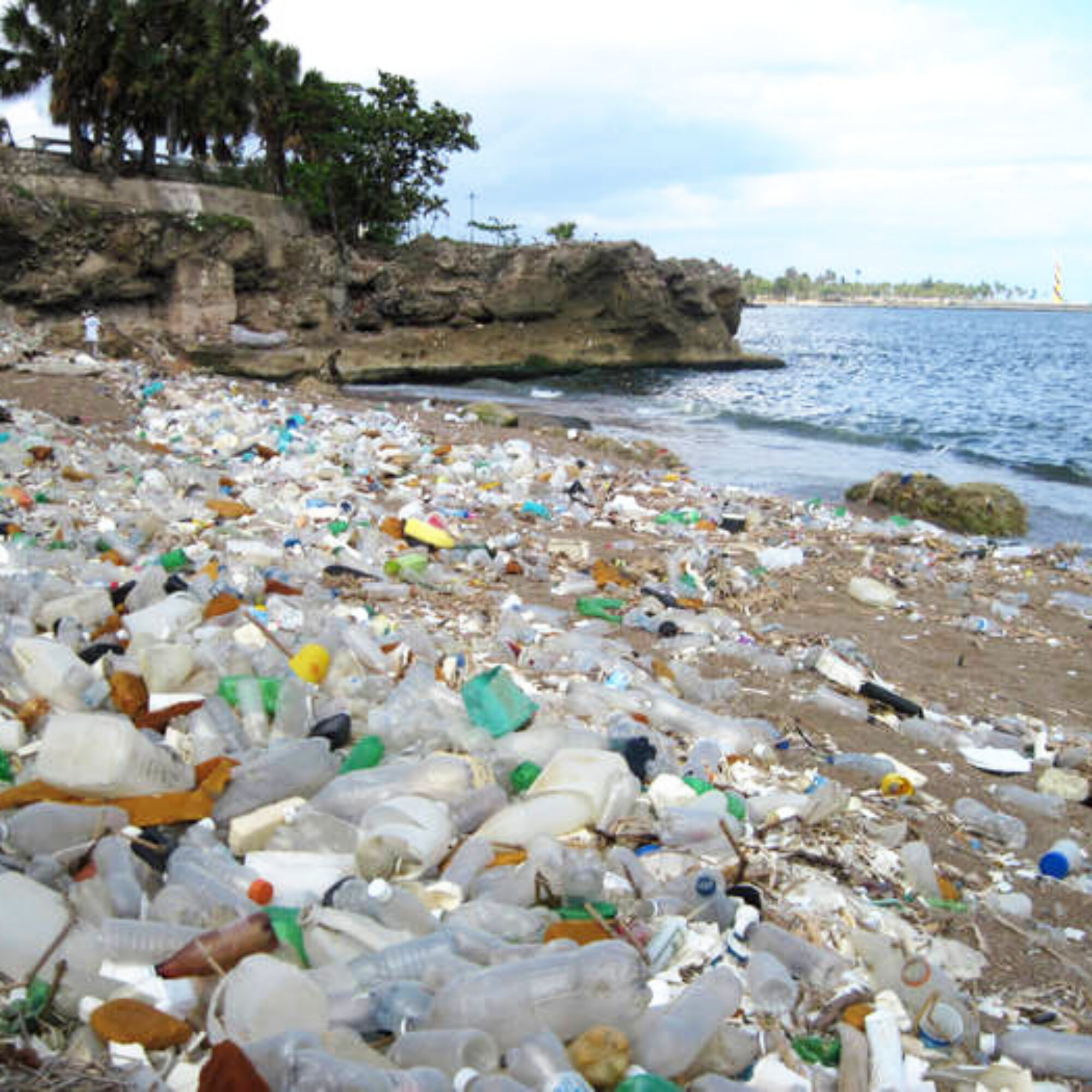
American cuisine has two simple rules governing it, I found. You often have to step outside a system to see it with fresh eyes. First, I'll describe that process. Stepping outside the system We've seen pictures of plastic choking once-pristine beaches and wilderness. One day three years ago I looked down at my kitchen's garbage and saw that most of my garbage came from food packaging. I decided to try to go a week without buying any packaged food. Despite not knowing how I would do it, I went two-and-a-half weeks without any. In the three years since, I use maybe 5% of the packaging I used to and I've emptied my garbage maybe five or six times. Recycling maybe ten times. If I hadn't…

0 Comments
Affluence Without Abundance thoughts
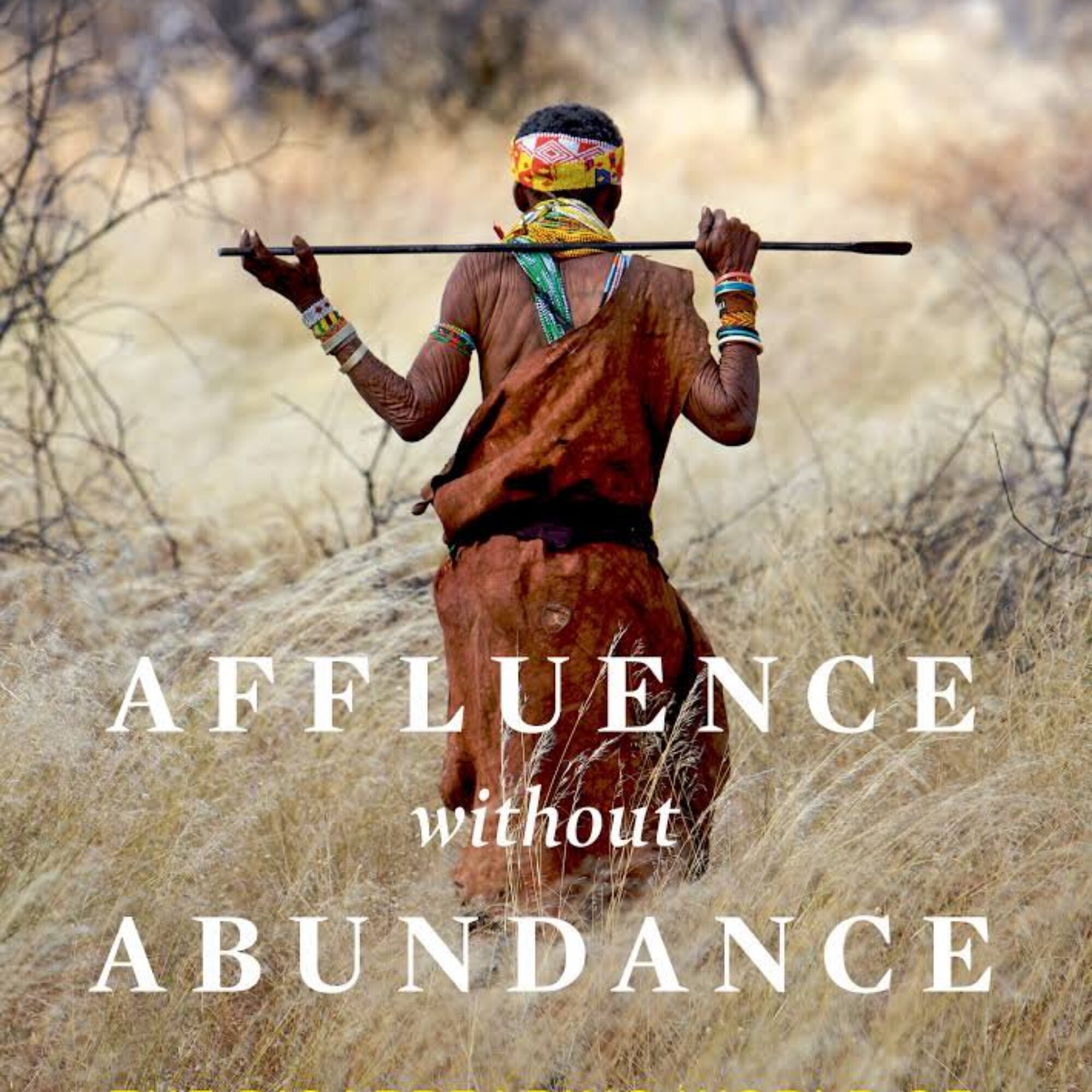
Affluence Without Abundance, by James Suzman

Affluence Without Abundance thoughts

In this country, mentioning any deviation from capitalism flips people into communism and socialism. This black-and-white thinking explains why Reagan and Thatcher opposed Nelson Mandela fighting Apartheid---supporting a party promoting blatant, destructive racism. They supported the party started by supporters of Nazis---a term we throw around today to mean figuratively, but the creators of Apartheid supported Hitler in the 30s and 40s. Maybe because Thatcher was prime minister of empire that established 13 colonies that enshrined slavery into its constitution and Reagan was president for country that maintained it for nearly a century. 1776 may seem long ago, but is short in some contexts. 1776 is also when Adam Smith published The Wealth of Nations. Since then capitalism has spread and come to dominate most of…

0 Comments
Jane Jacobs and protecting the environment
Vital Little Plans

Jane Jacobs and protecting the environment

In response to The Champion of Little Plans, an article on Jane Jacobs by Nate Storring, who edited a book of her short works, and having moved to Greenwich Village in 1999 partly influenced by her work, I wrote For those who have read Death and Life of Great American Cities and The Power Broker, most of this article tells history you already know.After that part, it's about applying her principles to today's issues beyond cities to entrepreneurship versus large corporations and red tape and how to serve people and their lives. The article didn't apply her principles to the environment, where I find a relevant parallel: people in traffic jams felt, "if only this road had another lane, then I wouldn't have to endure…

0 Comments

Op Ed Fridays: Challenging beliefs on men and masculinity

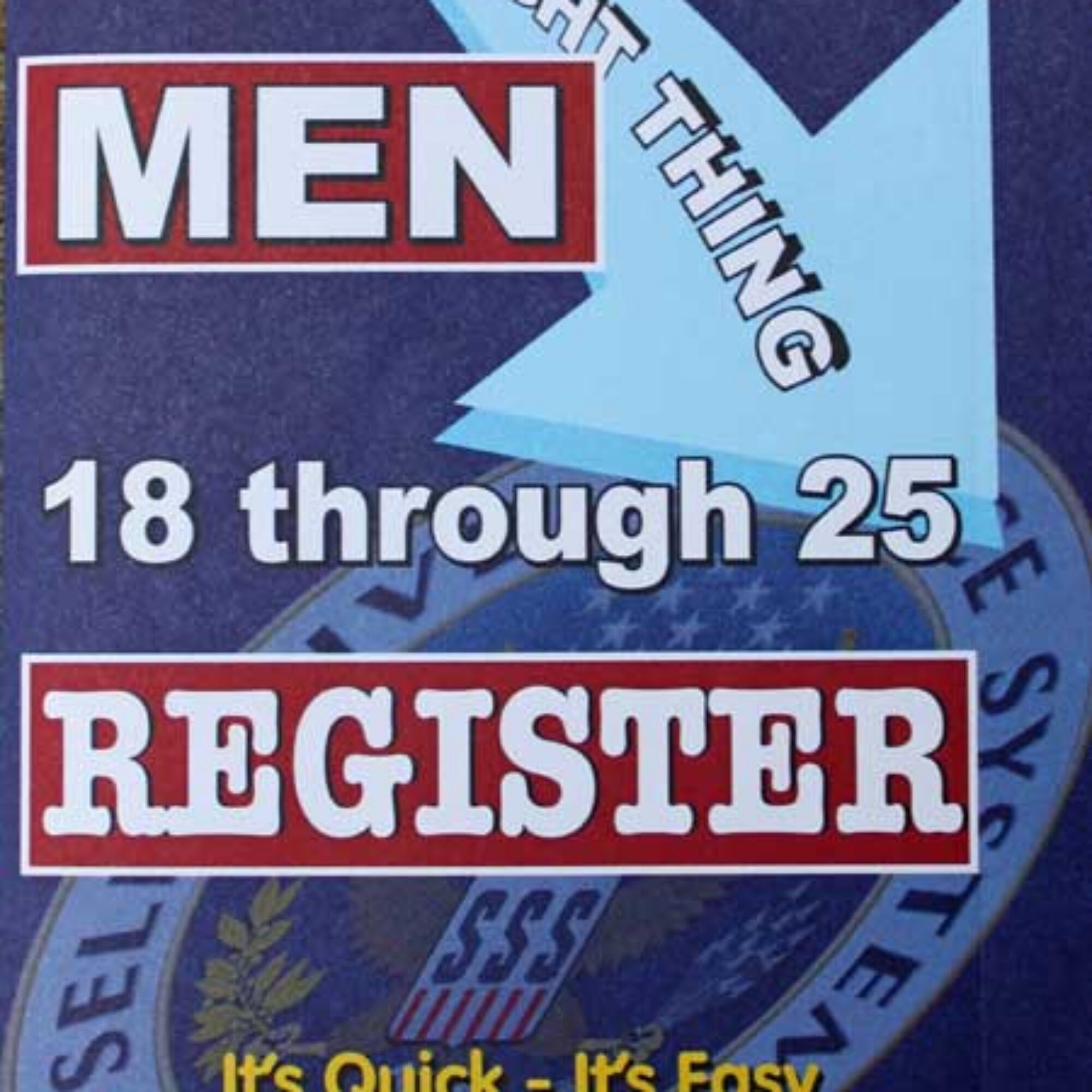
When I turned 17 I received the letter from the federal government that they required me, by my next birthday, to register for what it called Selective Service and and that I call the draft. I don't remember the details, but I remember something about punishment if I didn't. I also remember thinking I didn't feel I had the experience or maturity to comprehend this obligation imposed on me to risk my life and possibly have to kill others. Neither of my sisters received a comparable letter. The experience was one of the first I realized that society treated men differently---expecting us to risk death and killing. It felt sexist. Years later, I remember my mother describing my step-brother's relationship with his ex-wife as her…

0 Comments
Beliefs and the environment
Andrea Wulf's the Invention of Nature

Beliefs and the environment

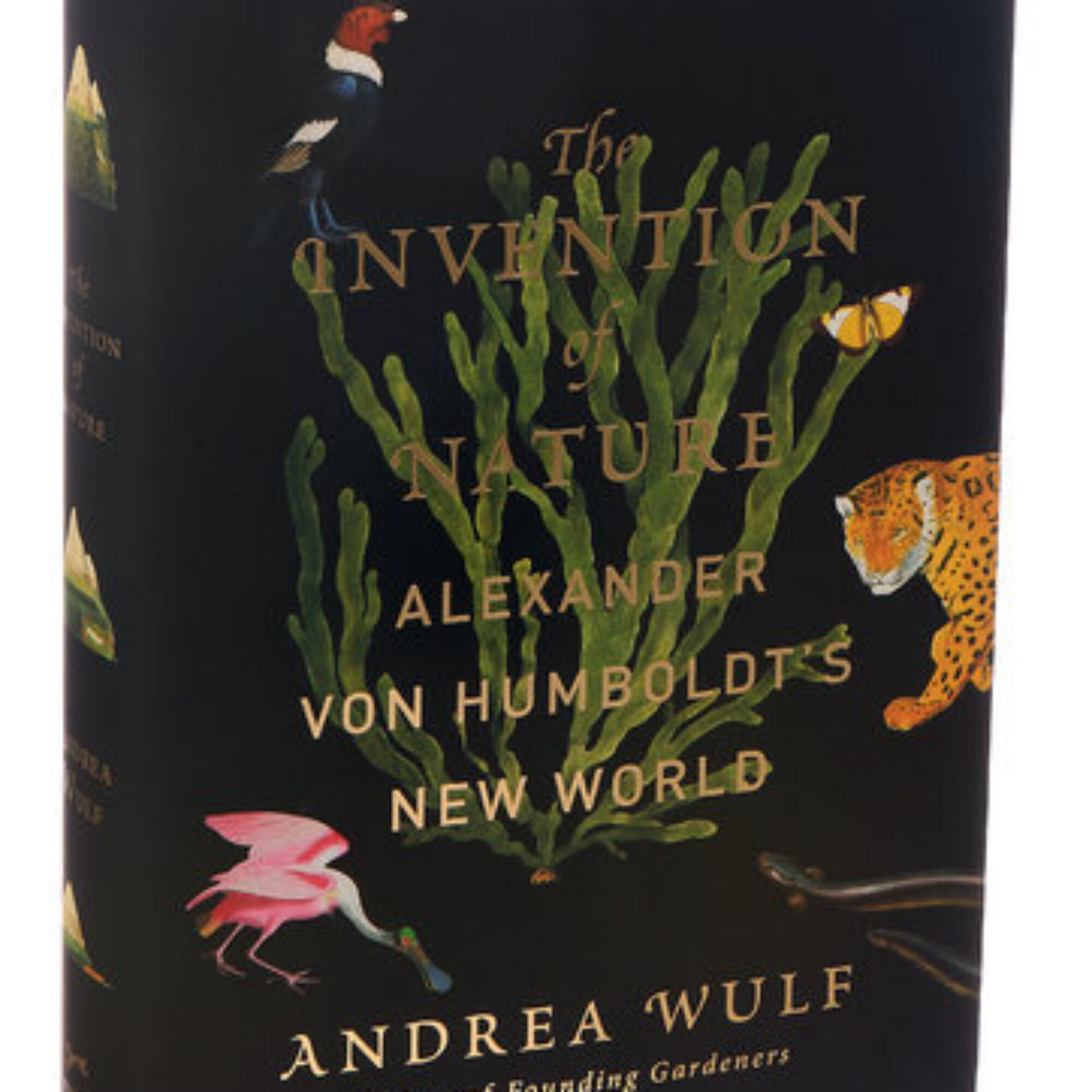
I wanted to share some thoughts on reading The Invention of Nature: Alexander von Humboldt's New World by Andrea Wulf, one of the New York Times' 10 best books of 2017. Who is Alexander von Humboldt? The New York Times review of the book explains: Alexander von Humboldt was the pre-eminent scientist of his time. Contemporaries spoke of him as second in fame only to Napoleon. All over the Americas and the English-speaking world, towns and rivers are still named after him, along with mountain ranges, bays, waterfalls, 300 plants and more than 100 animals. There is a Humboldt glacier, a Humboldt asteroid, a Humboldt hog-nosed skunk. Off the coast of Peru and Chile, the giant Humboldt squid swims in the Humboldt Current, and even…

0 Comments

More Limits to Growth resources and understanding

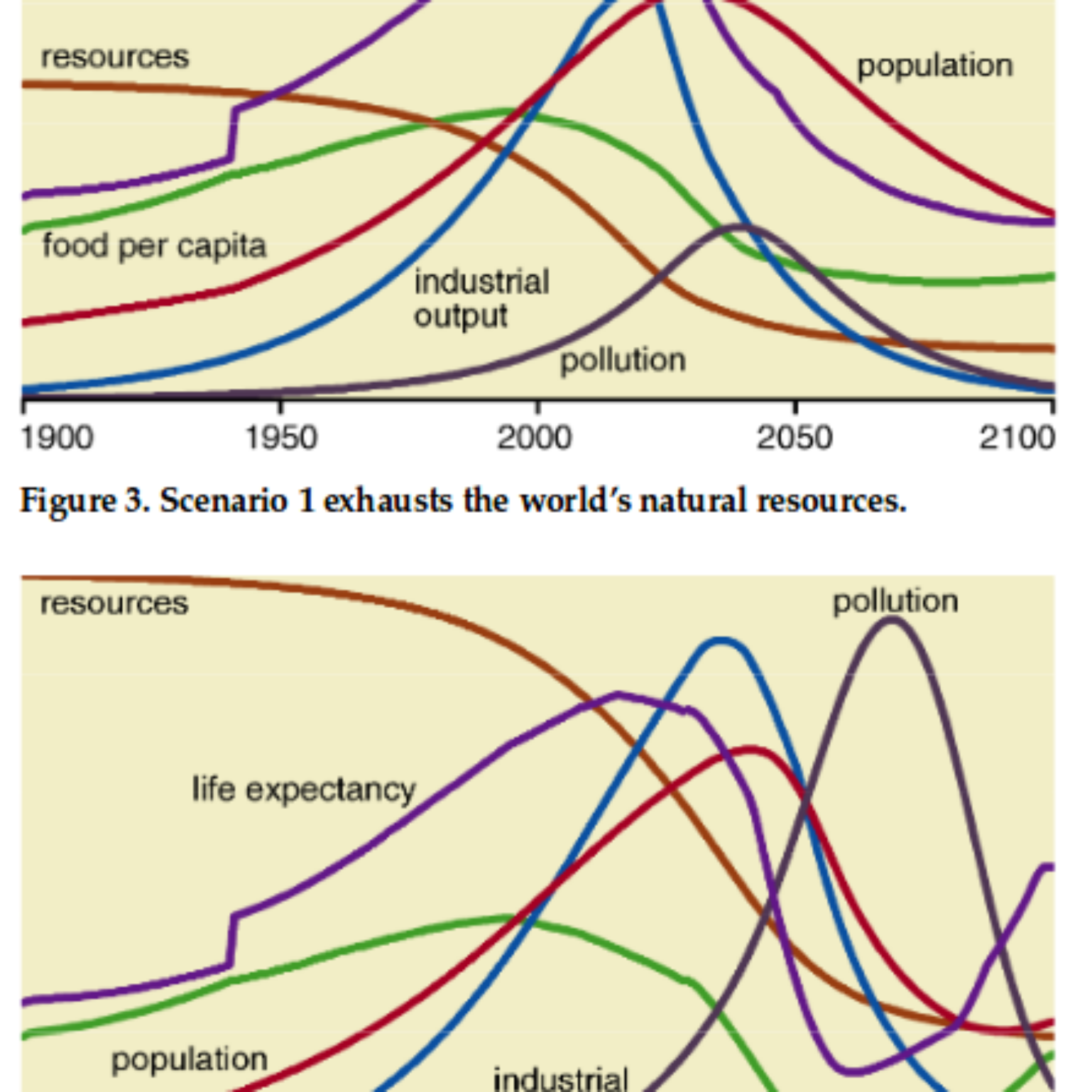
I've mentioned many times how I considered the approach to the environment, economy, population, etc by the book Limits to Growth the most comprehensive and valuable, though I hadn't read much critical of it that didn't seem politically motivated or starting from disagreement. I've wanted to find alternative perspectives. I found more resources and perspective, especially in two papers in American Scientist written by Brian Hayes. Both articles followed publishing later editions of Limits to Growth, one in 1993, the other in 2012. The articles speak for themselves, and better than I could speak for them. They're somewhat scientific, but I think most people could understand them. The 1993 one is "Balanced on a Pencil Point." Hayes begins writing about his history with the book,…

0 Comments
Affluence Without Abundance, Part 1: Economics, health, and happiness
Affluence Without Abundance, by James Suzman

Affluence Without Abundance, Part 1: Economics, health, and happiness

In this country, mentioning any deviation from capitalism flips people's thoughts to communism and socialism. This black-and-white thinking explains why Reagan and Thatcher opposed Nelson Mandela fighting Apartheid, instead supporting a blatantly racist regime. In fact, they supported a party infused by supporters of Nazis. We throw the term Nazi around today to mean figuratively, but I mean literally. The creators of Apartheid included people who actively and violently supported Hitler in the 30s and 40s. Capitalism is young and untested in today's world 1776, the year of the birth of the United States, may seem long ago, but recent in some contexts. 1776 is also when Adam Smith published The Wealth of Nations. Since then capitalism has spread and come to dominate most of…

0 Comments

Enron Environmentalism (Inc.)

Enron Environmentalism Enron looked profitable when it compartmentalized and hid its losses. Do you compartmentalize and hide your pollution? I just had lunch with a man who described himself as fanatical about the environment--in particular, about water bottles. He illustrated by describing how fastidiously he handled them. As he started his story, I expected him to describe how he never used water bottles. Americans have such clean and drinkable water that water made unclean makes front page news for weeks. Specifically, he lives near Manhattan, and our water wins blind taste tests with consumers. The EPA finds it meets or exceeds all safety requirements. I figured he knew that 91% of plastic isn't recycled, and that for the garbage you create, 70 times more was produced upstream. So I presumed he would describe how he never used these harmful,…

0 Comments
Updates on Limits to Growth, finally!
Limits To Growth Data Comparison

Updates on Limits to Growth, finally!

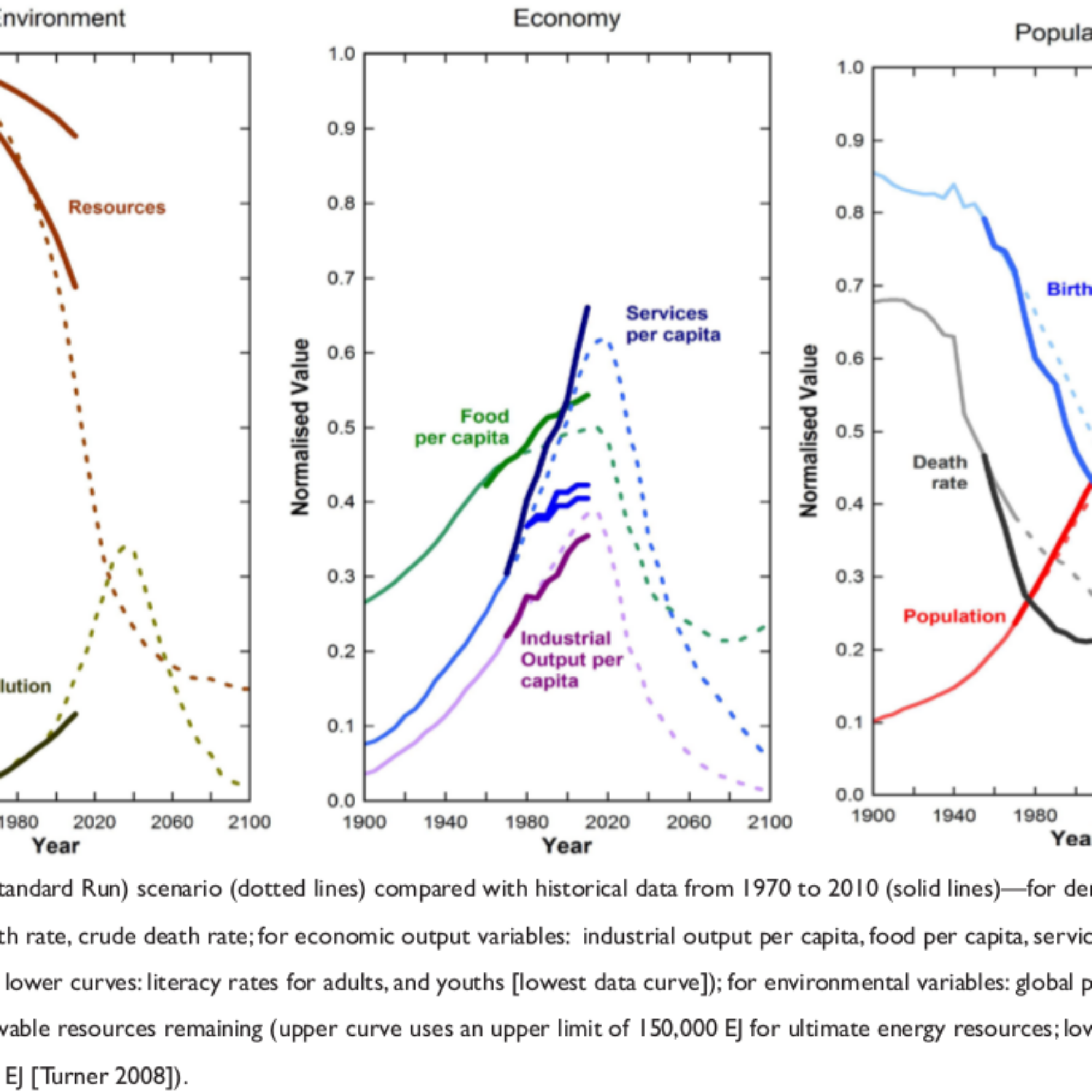
One of my top resources on the environment is the book Limits to Growth. Reading it was revelatory. They approached the environment the way I thought made sense, then created a model, researched the numbers, plugged them in, and got answers. What made sense was what they call a systemic approach---not to look at one of all the interacting parts, but to look at the whole system, including how the parts interacted. For example, I sensed that just improving technology didn't feel like it would solve everything. The Green Revolution, for example, led to more food, but used fossil fuels to do so and increased the population. Just saying it saved lives missed that it may have delayed an inevitable outcome of people starving, now…

0 Comments

Lies We Tell Ourselves When We Pollute (Inc.)

Lies We Tell Ourselves When We Pollute We all want clean air, water, and land, yet pollute more than necessary. Leaders act with responsibility, accountability, and self-awareness. Our leadership vacuum on the environment I hook my audiences easily in my workshops on my podcast, Leadership and the Environment, by saying, Raise your hand if you like pollution, rising sea levels, and more plastic in the ocean than fish. No hands ever go up. I continue, Now raise your hand if you lowered your pollution to below American levels. Again, no hands ever go up. People look around sheepishly, so I ask, If you don't want pollution, why do you pollute unnecessarily? Nobody knows. Some suggest that they can't stop living, eating, and breathing, but I ask about unnecessary pollution. Americans pollute more per capita than almost anyone in…

0 Comments
An ideal year’s outcome
Leadership And The Environment Coming Soon

An ideal year’s outcome

A recent workshop I attended had me write my dream of a "Year of Opportunity"---that is, what I'd like to make happen if I achieved everything I could. Normally we don't share our greatest hopes and expectations since they enable others to judge us---for dreaming too much, for being unrealistic, for thinking too much of ourselves, for not achieving our dreams, and so on. So what? I'm going to share anyway. It's mostly about the podcast I'm working on, Leadership and the Environment, as the start of a movement to change mainstream beliefs and behaviors so people want to lower or reverse their impacts enough to act meaningfully. For context, the podcast features well-known and influential people taking on personal challenges to live by their…

0 Comments
My spectrum of distaste and avoidance
My spectrum of distaste avoidance

My spectrum of distaste and avoidance

For some reason, some names of companies show up in the news periodically. Reading about some disagreeable behavior of Monsanto over the summer, I thought about which I disliked the most and thought about where they belonged in my range of companies. I started making a spectrum of which companies seemed distasteful to me---companies I avoid doing business with---and food I avoid eating. In my mind they share something similar. I'll add more to it as I think of other companies and foods. Here are a few to start, along with where they fall along the axis. Sticking to my diet used to be hard. Now it's normal and the standard America diet is disappointing.

0 Comments

Why high intensity interval training works, according to me

Now that I've picked up the habit of high intensity interval training, I've developed a belief about it that explains why it increases your cardio-respiratory system so well---that minutes of HIIT exercise can give you the benefit of hours of moderate exercise. Muscles develop when you stress them. You build skeletal muscles by stressing them, such as by lifting as much as you can. If you can left, say, 25 pounds with some muscle, then lifting 20 to 25 pounds will cause it to develop. Lifting a 5-pound weight with that muscle all day won't stress it to rebuild. If the heart and diaphragm are muscles, they'll probably develop when you stress them, which happens when you push them as hard as you can. Just…

0 Comments

Problems in global warming with “every bit helps” and little tips to do little things

Leading cultural change, one of the big tasks is to change collective beliefs. One of my big discoveries of my experiments with avoiding flying and food packaging is that what I expected to feel like deprivation and sacrifice ended up becoming two of the greatest changes in my life. Living by your most important values, especially when they override less important values that you were doing without thinking, improves your life. While avoiding packaged food and avoiding flying aren't life-or-death decisions, they affect a lot in your life. I knew my book would come out in my year (now 17 months and counting) of not flying, so I wouldn't be able to tour. Here is one of the biggest problems with suggesting "every bit helps"…

0 Comments
Economics is wrong about growth
My Inc. post about growth and steady state economies

Economics is wrong about growth

My recent post at Inc., "Economics Is Wrong About Growth And It's Ruining Everything," begins Economics Is Wrong About Growth And It's Ruining Everything Even Adam Smith foresaw an end to growth. How did we lose sight of it and think we could grow forever? Nearly every economist I've heard say anything about economic growth says it's necessary for a population's well-being, as has nearly every comment I've seen on the subject from non-economists. They add that economic growth requires population growth, with its tragic results, so far, of pollution, resource depletion, and global warming. They further add that both the economic and population growth must be exponential, but they don't consider the results of exponential growth. Exponentials grow fast. In less than the time from the Roman Empire until now--that…

0 Comments

The futility of “Seeing things as they are”

Do people understand what they're saying when they talking about "seeing things as they really are?" Do they realize it makes no sense? Let's say you're seeing things for not what they are. Do they imagine you have some special faculty that you were not using but when you decide to, you can just use your reality-seeing eyes instead of your what? false-seeing eyes? If you misperceived or were deceived before, you didn't know you were, or else you would have corrected for the misperception or deception. How do you know you aren't misperceiving or deceived now? You don't. And what if someone sees things differently than you? If you believe you see things as they are, then you believe you're right and they're wrong.…

0 Comments

End of content

No more pages to load