Nature


Why Food Is Not Medicine

I keep reading articles describing food as medicine, describing how vegetables and fruit are especially healthy. Saying so implies vegetables and fruit are abnormal, things you have to go out of your way for, and doof is normal. People can define normal how they want, but to me, fresh fruits and vegetables are normal. From my perspective, food isn't medicine. It's normal, as is health. Doof is poison and abnormal, something we'd have to go out of our way for. In other words, food is medicine like not hitting head against wall is medicine. Doof is like hitting your head against the wall. There's no mystery where your headache comes from if you do it.

0 Comments

The problem with “dependence on foreign oil”

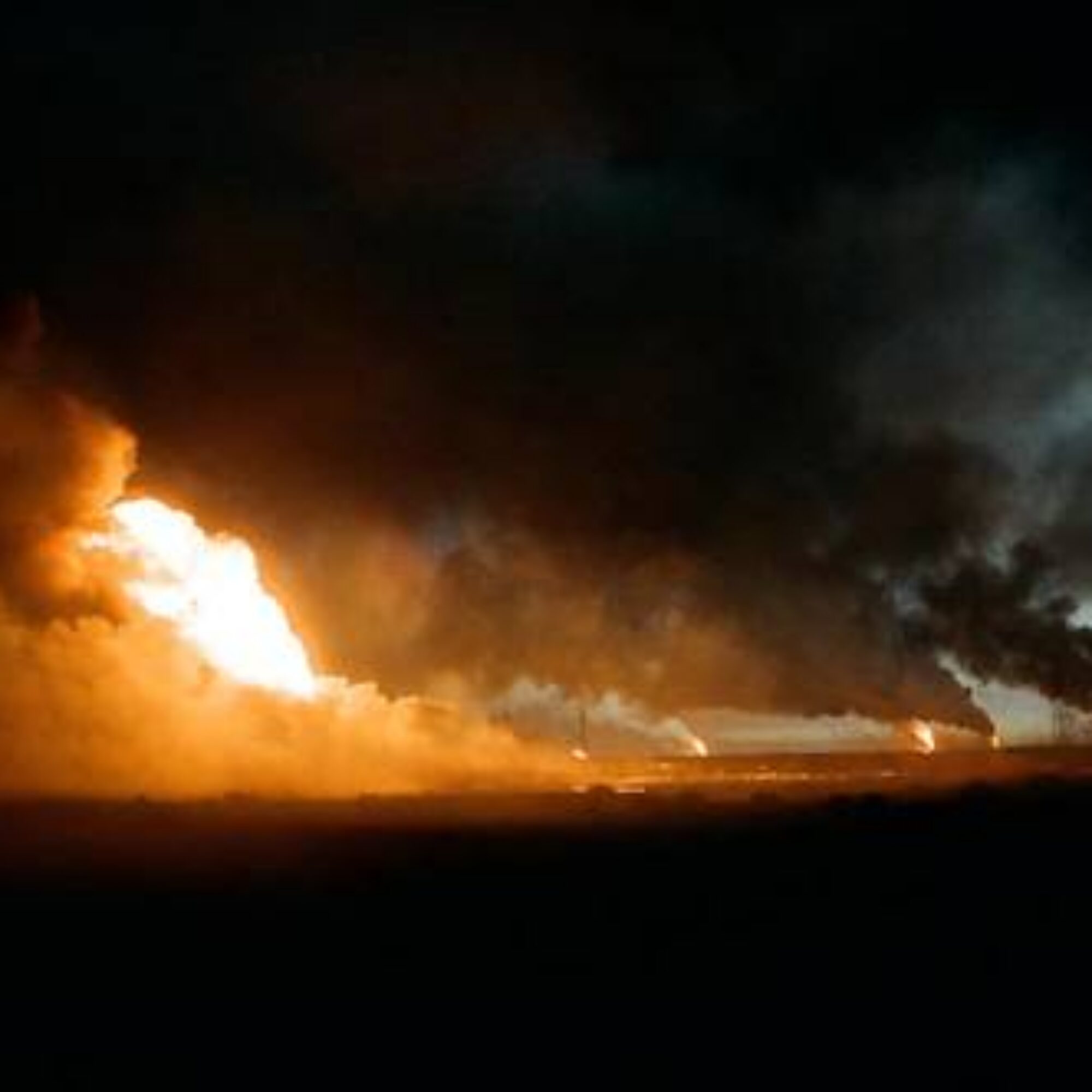
American politicians promote drilling and pumping oil to solve "dependence on foreign oil." They think the key word in the phrase is foreign so they drill in the US. The key word is dependence. To increase our independence, freedom, and resilience, they should decrease our dependence on any oil, especially fossil fuels. We all should. Are the domestic images below that much preferable than the overseas one? Do they have different causes or do they result from one system? Foreign oil Kuwait invasion oil fire Domestic oil (Exxon Valdez) Exxon Valdez oil spill Domestic oil (BP Deepwater Horizon) BP oil spill

0 Comments

A recent video overview on sustainability leadership

Eugene Bible of the Verdant Growth videocast and soon host of a This Sustainable Life podcast offshoot hosted me on sustainability leadership. (Stay tuned for his podcast launch). Speaking communicates differently than writing, so you'll hear me express things I can't hear, plus I cover many things I haven't covered here at all. It's interactive so not just me talking. I recommend checking it out. It's one conversation split into four parts. We cover environmental stewardship from several perspectives, beyond what any book or video I know of does. I hope more accessible since we don't just talk more science or what other people should do. We talk about how to lead on sustainability. https://youtu.be/F7HY3JIdKP0 https://youtu.be/1ESSZWQ0TwY https://youtu.be/gOv-GHN6YGU https://youtu.be/OlaYguR6i5Q

0 Comments

I used 2.5% the average American’s electric power last month

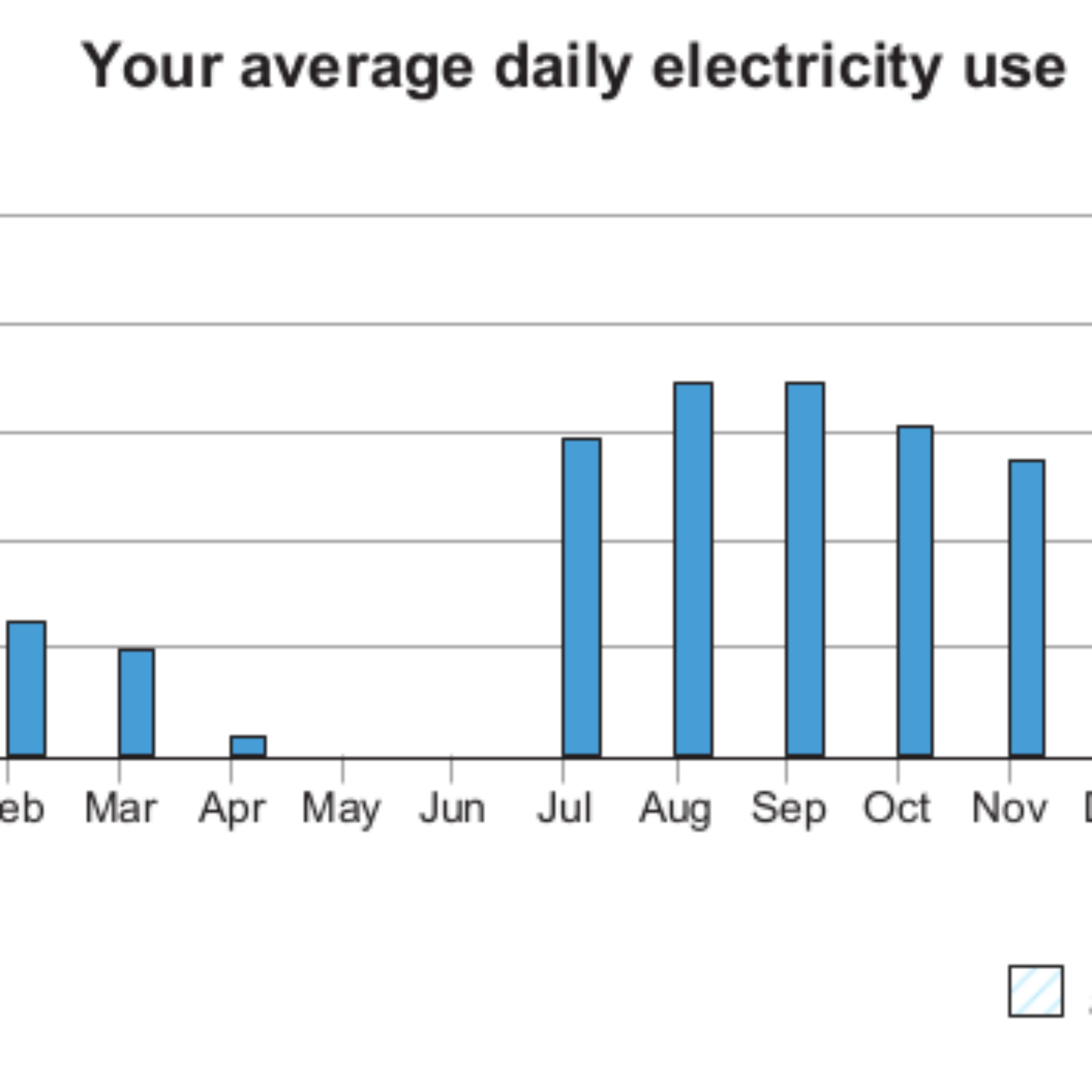
For those keeping track, I unplugged my fridge on November 22---not to save power, though it did. Listen to my podcast episode Why Unplug? to learn my motivation, but briefly, it's to practice resilience and reduce my entitlement and dependence. I'm reporting after receiving my latest electric bill. My results Here's my power use over the past year. Last winter I unplugged my fridge in late December, so this winter I added an extra month unplugged. You can see my power use lower, to about 0.75 kWh per day. I'll put average American electrical power uses below. First, money. Money Here's the part of my bill itemizing my use: $2.30 for the month! For comparison, I can get a AA battery for around 50 cents.…

0 Comments

2020 versus 2021

People said they looked forward to 2020 ending. They wanted to return to normalcy. They didn't like 2020 because they compared it to 2019. I compare 2020 to 2021 and beyond. I expect the trend will continue and we'll miss 2020's relative calm. Politically, I expect more unity and less strife, as I can't imagine Biden exacerbating division as Trump did. I see the pandemic as an environmental problem. People have said "when, not if" for decades. We know how pathogens mutate and jump to humans---encroaching on wildlife territory, environments like wet markets, and factory farming. Nearly none of our response has been to stop what causes pandemics. We have as much reason to say "when, not if" for another, on top of the new…

0 Comments

Elon Musk and the Environment

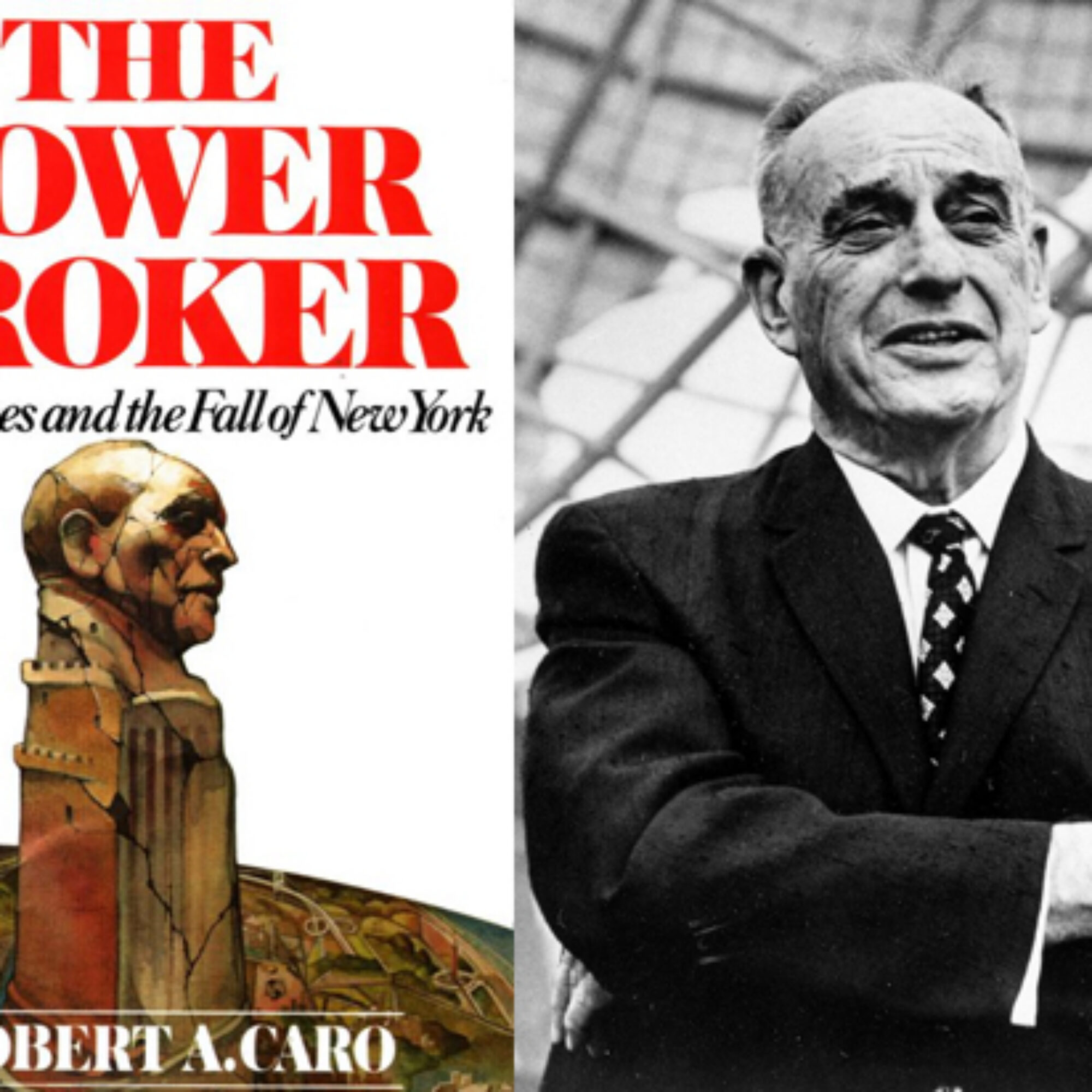
Many New Yorkers know Robert Moses from Robert Caro's book The Power Broker: Robert Moses and the Fall of New York, which won every award it could. At over 1,000 oversized pages, I thought I'd browse it at first, but couldn't put it down. Robert Moses may have shaped New York City more than any other person, holding multiple offices from the 1920s to the 80s. Residents loved him early in his career when most knew him for creating public parks and reforming crony, corrupt government. Not many drove then and traffic congestion barely existed so people appreciated that he built new roads. It made sense as highways grew to think a road becoming congested meant that demand exceeded and conclude that adding another lane…

0 Comments

“Philosophy of Shrinking Footprints” and “Shrinking Your Travel Footprint”, hear me on 2 Growthbusters episodes

One of the few podcasts I listen to every episodes of is Growthbusters. Hosts Dave and Erika invited me for third and fourth appearances, which went live the other day. I list Dave as one of my environmental role models. Here are past times I've mentioned him or Growthbusters in my blog. The Philosophy of Shrinking Footprints Show notes We set out to make this the second of a series of episodes about shrinking our travel footprint, but the conversation ended up being a broader exploration of philosophical issues related to all kinds of footprint-shrinking actions. Erika and Dave are joined by recurring guest, Joshua Spodek, host of the This Sustainable Life podcast. The conversation includes: The joy of not flyingGenerating a lot less wasteIs…

0 Comments

Don’t Mess With Texas: a celebrity-packed anti-littering campaign

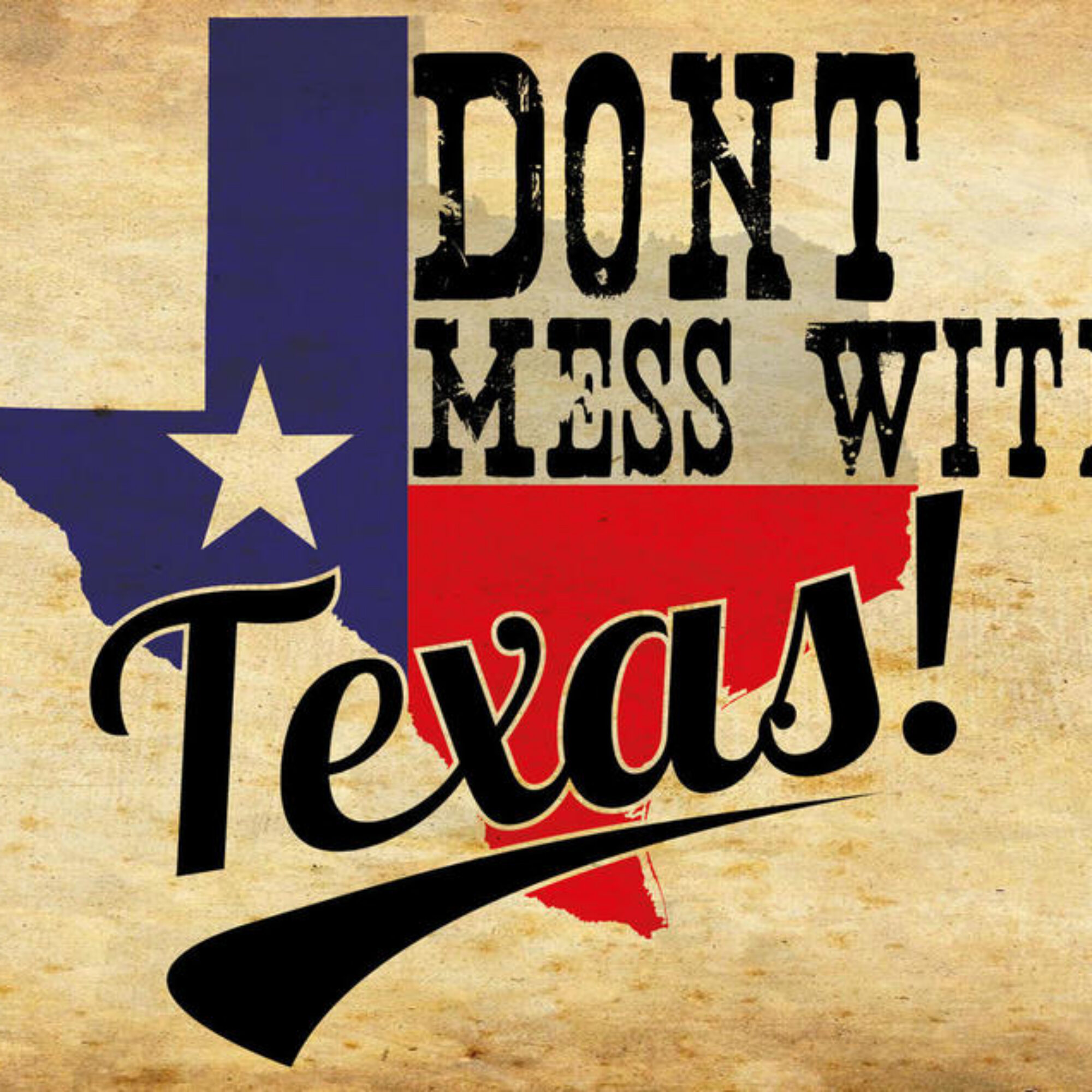
Did you know the phrase "Don't mess with Texas" arose from a campaign to stop litter? Neither did I. Check out these videos showing celebrities acting against litter, even picking it up. Now you can join us in picking up litter, even daily, as I've done for years, making it TV for it twice and counting. Note, however, that picking up litter only moves it around. It doesn't reduce the amount of waste. Not buying it in the first place reduces. Many waste producers like to suggest managing waste after manufacture can resolve our waste problems. Not even close. Only producing less, even zero, starts solving the problem, though we have to figure out what to do with the plastic and other waste already poisoning…

0 Comments

Update: Day 365 of current load of trash

I last emptied my trash on December 26, 2019 so today marks one year for this load. I made a video about the milestone in the style of my first time crossing one year, More than a year since I emptied my garbage, June 2018. Recall, I minimize waste to live by my values, as a matter of integrity, curiosity, and personal growth. I'm happy if people use me as a role model, but I don't believe leading by example works with sustainability. People generally respond, "I'm glad you do it, but I can't." Their addiction speaks. Separately from living by my values, I also lead. Making this video may lead others, but just minimizing trash I do for integrity. https://youtu.be/EQ4qz1Ah4uQ To see what motivates…

0 Comments

What can you do?

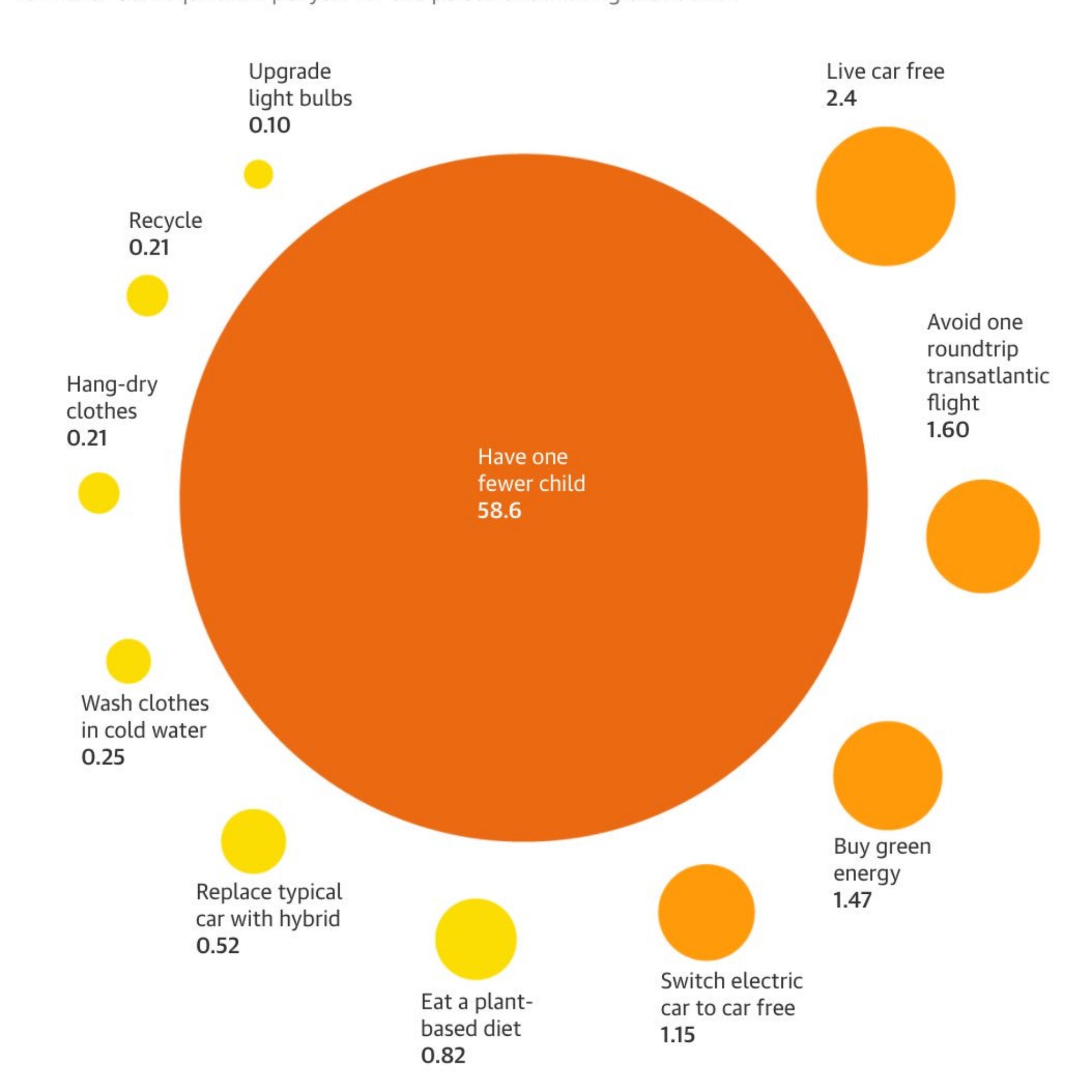
This graphic tempts you to think having fewer children is the best you can do, dwarfing not flying or going vegetarian, but I'll describe below how you can do a lot more. More than personal actions Everyone gets that one person's actions round to zero on a global scale. I agree. I act consistent with my values as a matter of integrity. Making a difference on a global scale comes from leading others. Leading people You can't reduce your number of children below how many you have now, but you can influence others to smaller families. Learning and practicing leadership skills, besides improving your life, enable you to support others to live more by their values. If their values align so they want a smaller…

0 Comments

What “Educate women” means

Even people who understand that overpopulation exacerbates every environmental problem refuse to see that lowering the population---which has been done successfully on national scales purely voluntarily, creating abundance and stability for all, as I spoke of here---can improve nearly every environmental problem. People mistakenly point out how birthrates are below replacement in many countries, including the US, missing that we promote population growth and immigration. Moving factories overseas doesn't decrease pollution and moving baby-making overseas doesn't decrease population. Both cases increase pollution and inequality. "Educate women"? People routinely suggest that educating women helps lower population. It does, but I finally realized what people meant when they propose it. They mean, "get other people to change, not me." They mean "stop bothering me." They mean "don't…

0 Comments

Clear talk on the environment from a man at the forefront for fifty years

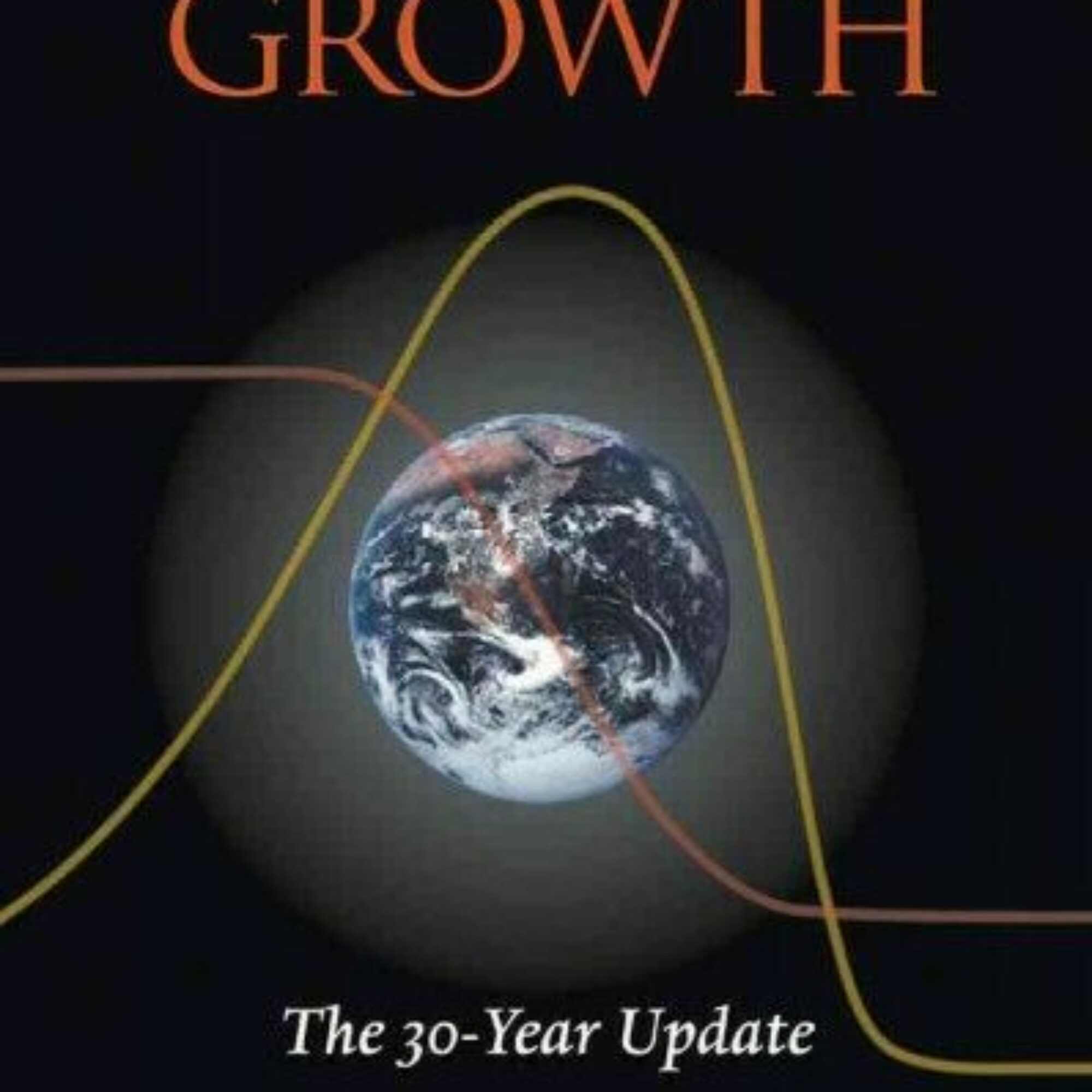
I watched two presentations by Dennis Meadows, one of the authors of Limits to Growth, a book I consider fundamental to understanding how humans interact with finite resources. Until I read it, I harbored hopeful but erroneous misconceptions of how technology might save us. I apply leadership to the environment instead of technology because I understand technology, science, and how they work, not because I don't. Few people read the book, sadly. It seems accessible to someone with a high school education, but I think most people see a few graphs and give up. I've read many criticisms and found not one coherent. The book stands the test of time, especially since they updated it and subsequent research, which I wrote about in my post…

0 Comments

“Addicts lie” and they sound like people justifying polluting

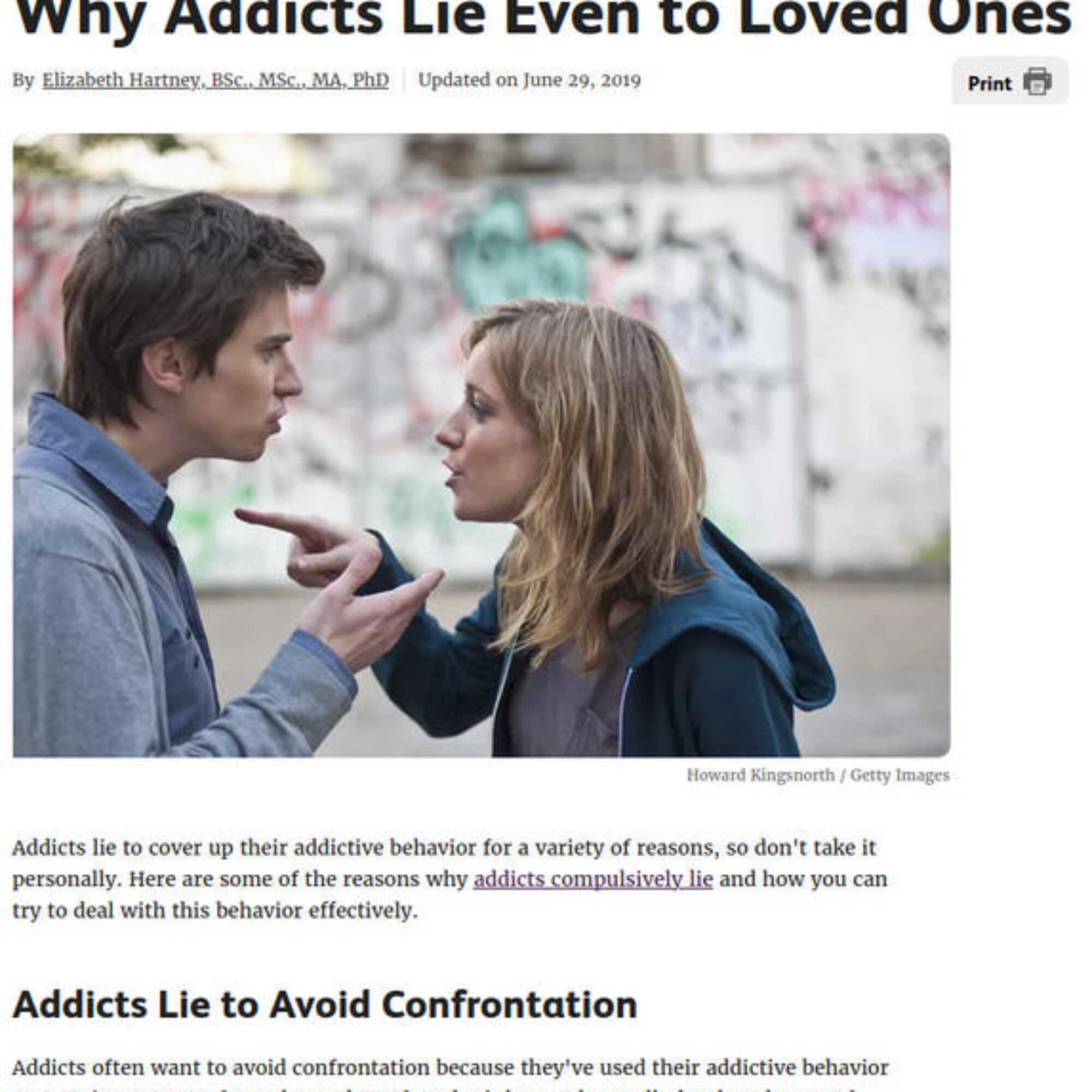
This morning after my calisthenics I watched people walking from the cafe across the street carrying disposable cups, probably to drink at home, where I'm sure they could have brewed coffee themselves with nothing disposable or skipped coffee. They do it every day. Millions of people in New York get takeout multiple meals per day. To clarify---they're spending more money for less convenience, less health, less free time, and more pollution. I look at a lot of polluting behavior like addiction. Wikipedia's definition describes polluting behavior: Addiction is a biopsychosocial disorder characterized by repeated use of drugs, or repetitive engagement in a behavior such as gambling, despite harm to self and others. Sounds about right, considering that people know about the plastic in the ocean…

0 Comments

America’s bullsh*t stories about the environment

Most of us tell and believe similar stories on the environment, something like the three below. Do they sound familiar? A while ago some scientists figured out that we're destroying the planet. Everything I do is bad and I have to stop or they say I'm killing future generations. Every now and then they tell me it's worse than they said before. There have been some big storms and droughts, but we've recovered. Nothing I do makes a difference, but no one else is doing anything either, least of all the people telling me, who seem rich, polluting the most, and aren't changing either. They seem to want me to feel shame or guilt so I'll give up things they aren't. What one person does…

0 Comments

If we led other areas as we do sustainability

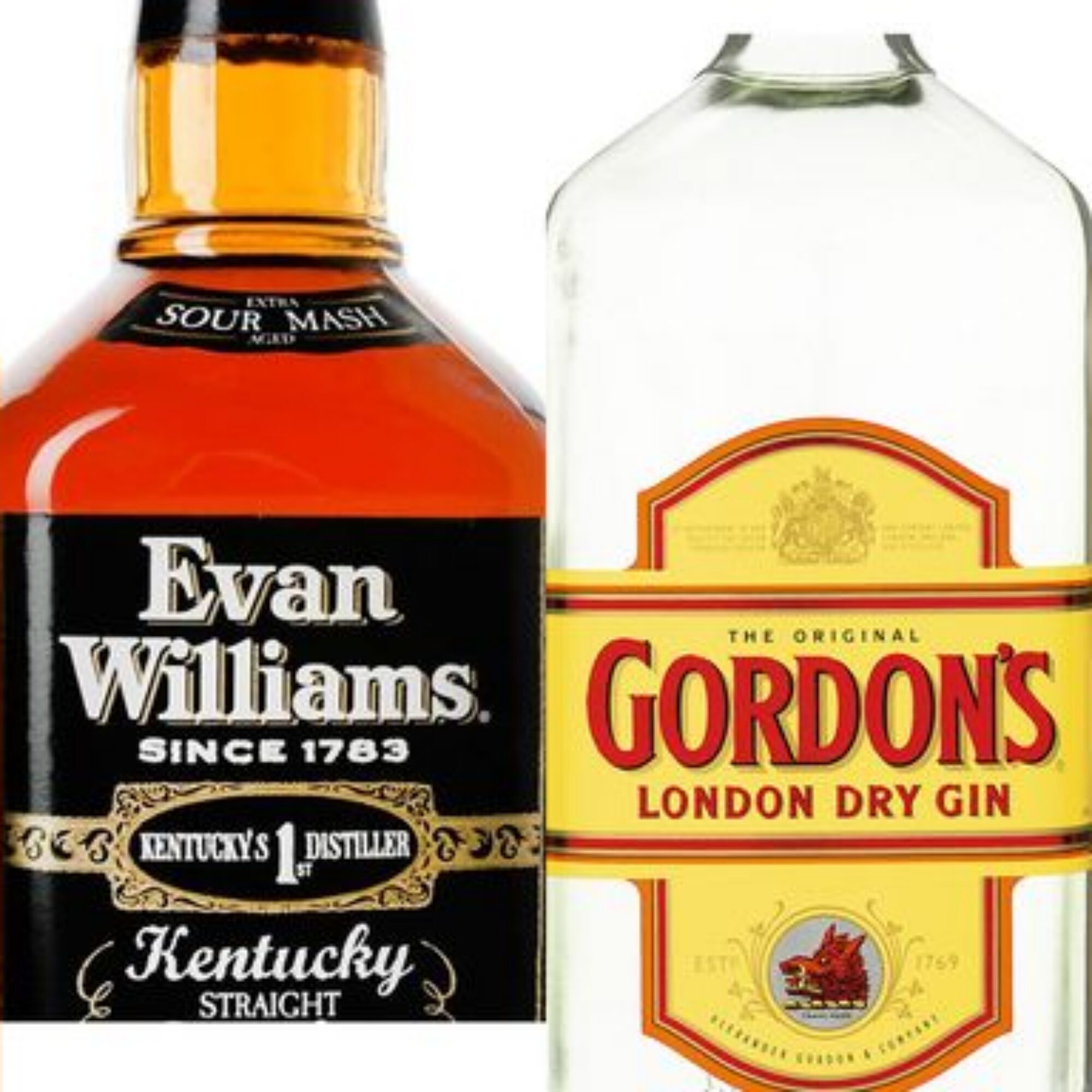
Here is how what we call leadership in the area of sustainability would look in another area. Imagine you attend an Alcoholics Anonymous meeting. One person stands up in front and says, "I've read all about what alcohol does to the liver. I'm an expert. Here's what you should do." This person continues lecturing on the science of alcohol and the liver and what everyone should do. This person also has a bottle of gin in hand, regularly taking a swig saying, "Don't be distracted by what I do. What one person does doesn't matter. We have to get governments and corporations to change. They want you to focus on me to keep the heat off them." Cheap booze The rest of the group then…

0 Comments

“When did I start acting sustainably?” “When did you stop?”

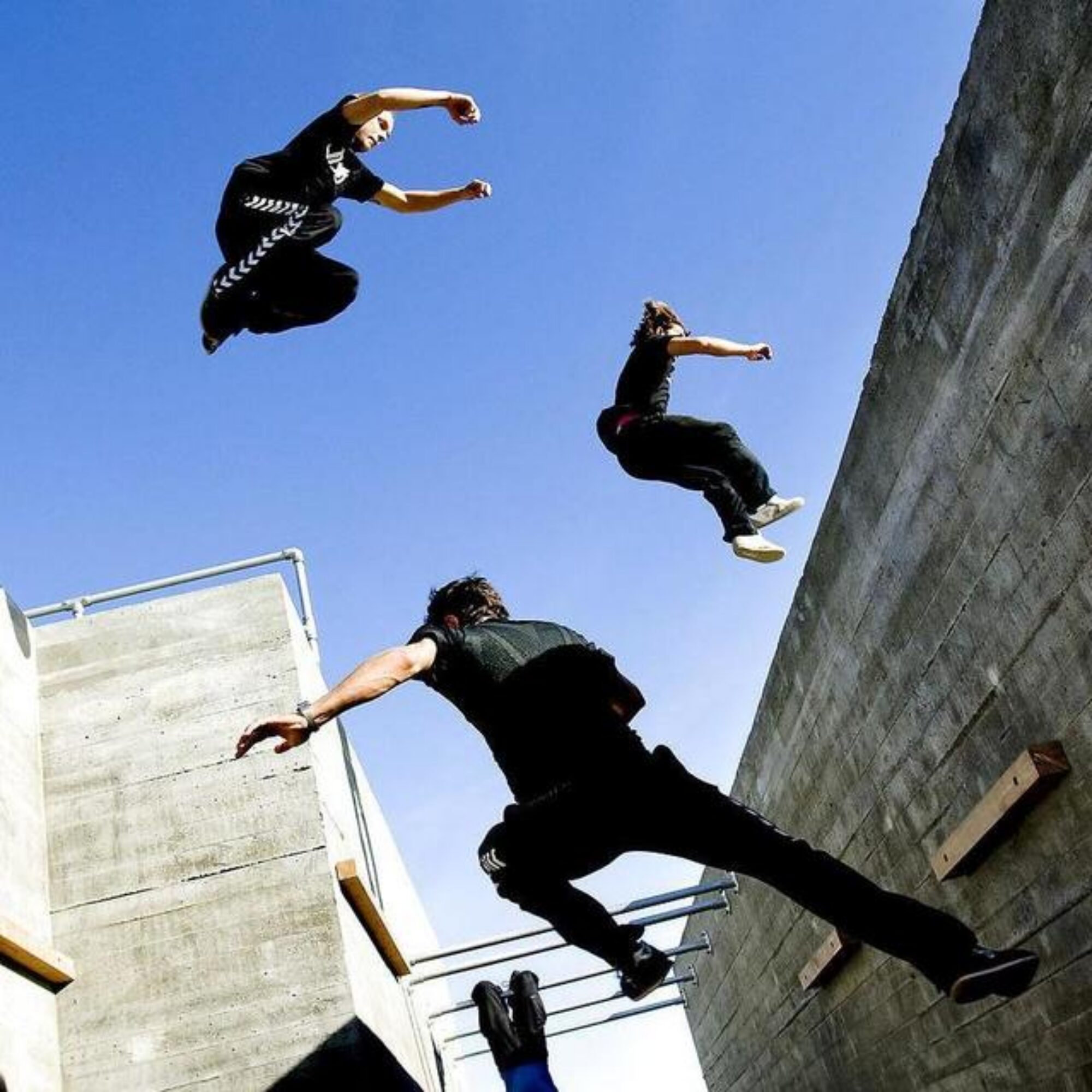
Years ago I saw an interview of a champion parcour athlete. If you don't know the sport, here's a video with 8 million views: https://youtu.be/2vfoyY9lshI Sorry I can't find the interview, but parcour videos have exploded in number online. The guy interviewed said people often asked him, "When did you start doing parcour?" He said he would respond, "When did you stop?" Parcour, as I understand him, is play. We all play as kids. Some stop. He never did. Pollution People often ask me when I started acting to care for the environment. I should reply, "When did you stop?"

0 Comments

American obesity: 42.4 percent

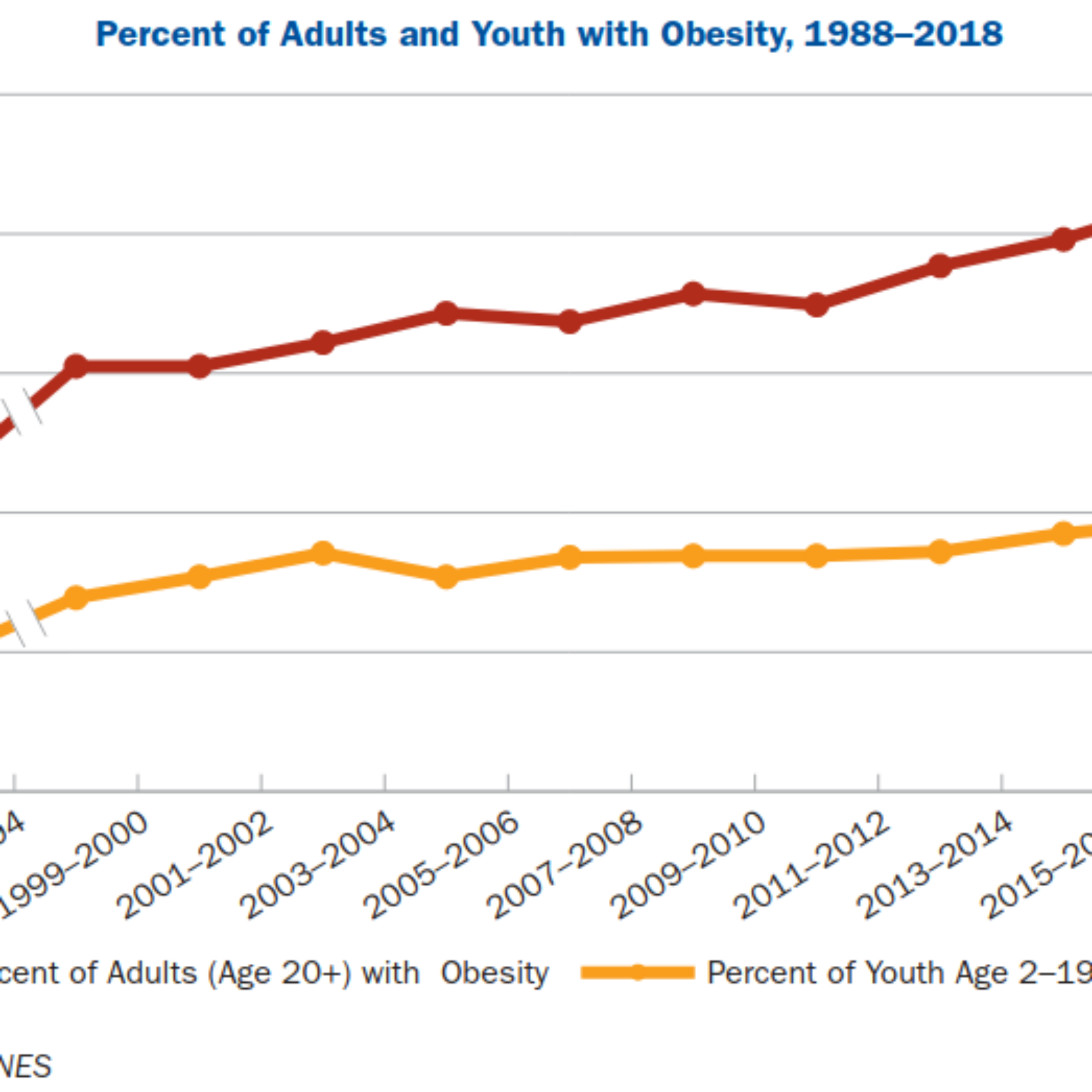
Quoting The State of Obesity 2020: Better Policies for a Healthier America, The U.S. adult obesity rate stands at 42.4 percent, the first time the national rate has passed the 40 percent mark, and further evidence of the country's obesity crisis. The national adult obesity rate has increased by 26 percent since 2008. Some of the data: Broken down by race and sex: I'm not calling it a silver bullet, but teaching people the term doof to help differentiate food from doof, which would enabled them to eat more food, drop the doof, and become more fit.

0 Comments

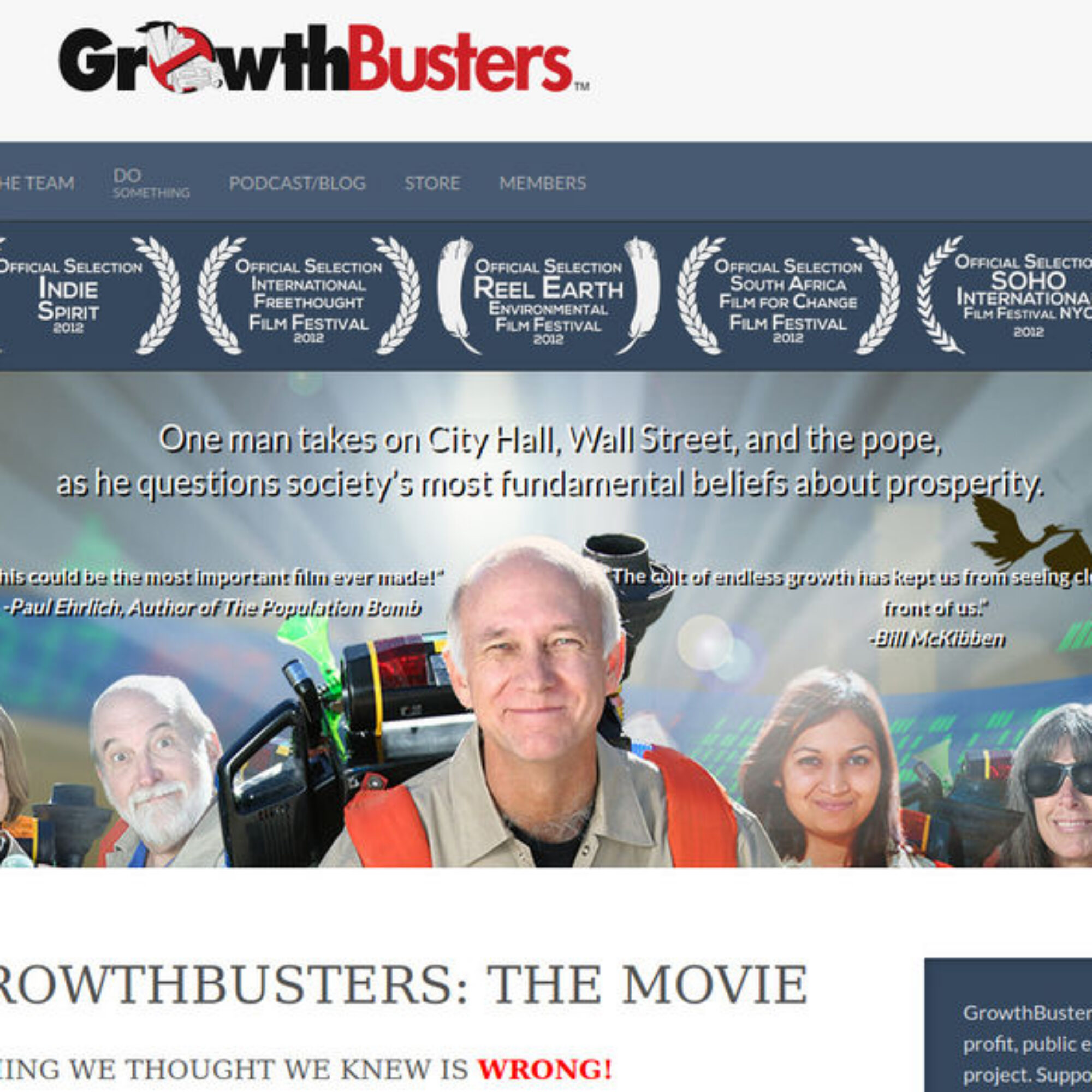
Watch Growthbusters free this weekend–tackling the taboo at the root of it all

What almost no one talks about but that everyone can do something about, the greatest taboo of our time, yet the greatest issue driving covid-19, driving all pandemics, driving global warming, driving plastics, mercury, dioxin, and all other pollutants, driving the 2008 recession, driving the coming recession (or depression), driving more plastic in the ocean than fish, driving there being no place to vacation not overrun with people, driving people (maybe you) giving up on the environment, driving the threat of nuclear weapons, driving most wars, . . . you get the idea . . . motivating all these problems: perpetual material growth in a finite system. Dave Gardner took on growth, running for office in Colorado, and created a documentary, Growthbusters. This weekend he's…

0 Comments

Imagine the relief of 3.7 billion people

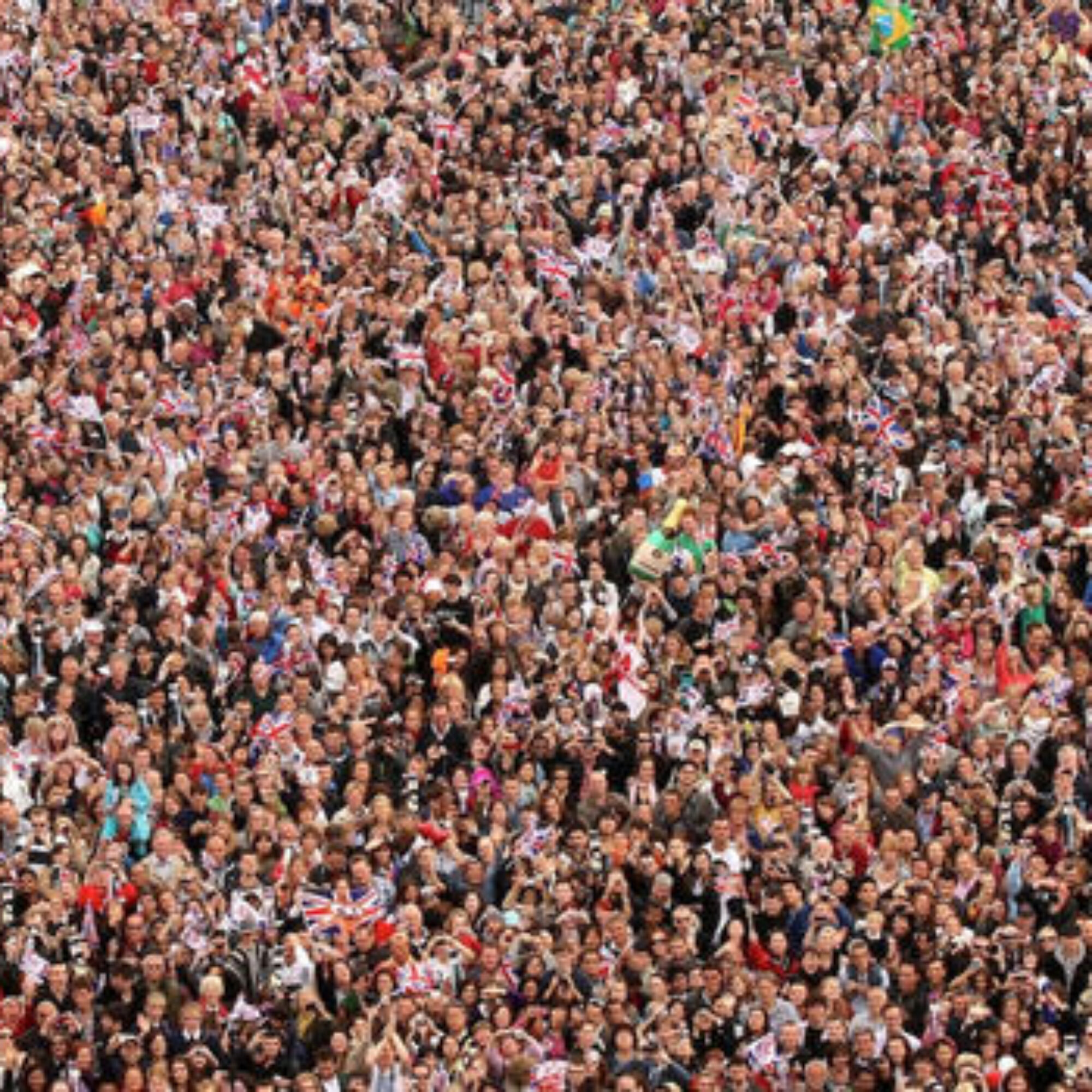
Walking around my neighborhood during Thanksgiving, the streets are nearly empty, the city quiet. I can think with less interruption. There's still too much litter from too many people buying disposable things. Various sources tell me that without artificial fertilizer, which require fossil fuels, the Earth can support a population of 3.7 billion people. Since we can't use fossil fuels forever, I don't know how we think we'll get by with more people than food to feed them, but people don't think that far ahead. Imagine, though, a world back to 3.7 billion people. Every environmental problem you can think of becomes easier or goes away. There's more space, more fresh air, clean water, and clean land. We can all lead lives of abundance. When…

0 Comments

I unplugged my fridge for the winter

[EDIT: I recorded a podcast episode on why I unplugged my fridge Now back to the original post] Last year, sometime in late December, after reading about some cultures preserve food more through fermentation, drying, and other methods than refrigeration, I unplugged my fridge to see how long I could go without a fridge. I also noted how cool my windowsill was, providing some natural refrigeration so I could keep food there. I made it until I went to my mom's house for the pandemic, so it stayed unplugged about six months. I posted my electric bills, which went to zero electrical power used in some months. Time to start this year.. This time, my prompt came from training the upcoming host of one of…

0 Comments

“The Mandela of the Environment”—profiled in Wildpreneurs

Longtime podcast listeners have heard my struggle that began with seeing leadership as the main missing element on sustainability nobody is acting on, distinguishing leadership from management. In short, I saw no Mandela of the Environment and felt my best option would be to fill in the role---not to act like Mandela exactly, since the situations differ, but to take on a comparable role. Adopting the mantle seemed a no-win proposition. Failing would lead people to say, "Who did you think you were, anyway? Who tries to become a historical figure like him?" Success would mean likely attack from the world's most powerful people and industries. Yet I'm going for it. Tamara Jacobi and Wildpreneurs Tamara Jacobi, known as "The Jungle Girl", is the founder…

0 Comments

The cause of our environmental problems, aka “the addiction speaking”

We were born into a world with systems and practices that pollute. I don't see how we can blame past generations for decisions they couldn't have expected to result in our world. Who could have believed when coal first boiled water to steam and that steam created mechanical motion that we could choke the sky with fossil fuel smoke and heat the whole damned planet? Who could have imagined when cars cleared the roads of horse manure that lead in the gasoline powering them would lower your intelligence and mine? Who could have imagined when plastic replaced cruel ivory for making billiard balls that we would fill the whole Pacific Ocean with it, replacing the fish to where they couldn't replace themselves? Yet they did.…

0 Comments

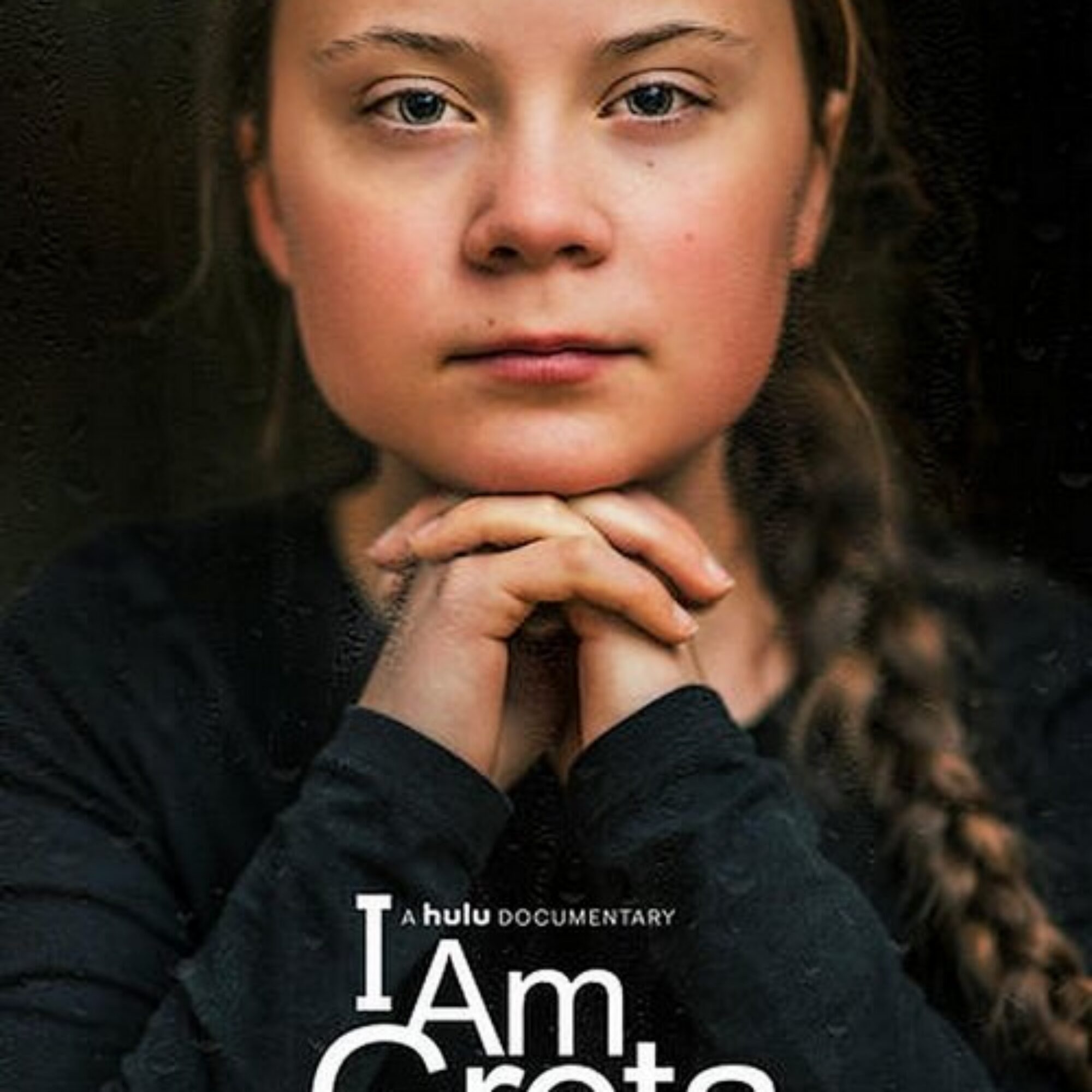
Special invitation to sneak preview I Am Greta

As a proud member of Flight Free USA, where I've pledged another joyful year of not flying, I'm extending to you the invitation they extended to me. I just watched it. It's touching and honest as a documentary and she is honest, genuine, and authentic as a leader and person. After years of people asking me, confused, why I would act in service of the environment, asking me why I'm "so extreme" about not polluting, I feel one person who understands me and acts. She acts differently than I do, but we can all learn from her. I urge you to watch this important movie about her. I hope you'll try to understand her, not see her as unusual but human, aware, caring, and active.…

0 Comments

Day 1,300 picking up at least one piece of litter daily

I happened to check: today is my 1,300th consecutive day picking up at least one piece of litter per day. It's my dirty sidcha. I do it to develop leadership experience and skills to hasten the day when we view single-use packaging how we now view asbestos and leaded gasoline. Yes, you too will cringe at takeout and to go, now matter how much you relish it today. One day operators of factories producing cups, bags, bottles, and such will shut their machines down because no one will buy their poisonous waste. Your buying packaged stuff finances them even if you believe you dispose of it benignly. Luckily, the more you buy fresh produce from, say, farmers markets, the more you can finance them to…

0 Comments

The Story of Plastic panel video

Here is the wonderful panel discussion we hosted on The Story of Plastic, October 22. https://youtu.be/FWV-Opm5LNg The Panelists Each panelist has appeared on my podcast. I'll embed their conversations below so you can learn more about them in the context of sustainability leadership (J. B.'s episode is still being edited, but I'll post a couple videos I recorded of personal reflections on his book). Eric Adams, elected the 19th Borough President of Brooklyn in November 2013, he previously served as New York State Senator for the 20th District. https://player.acast.com/leadership-and-the-environment/episodes/339-brooklyn-borough-president-eric-adams-food-matters#?secret=TvuhrZv3bF J. B. MacKinnon, author of The Once and Future World—a bestseller and winner, US Green Prize for Sustainable Literature—and The 100-Mile Diet—a bestseller widely recognized as a catalyst of the local foods movement. Writes for the…

0 Comments

End of content

No more pages to load