Nature


Vertical farms illustrate the problem with fusion

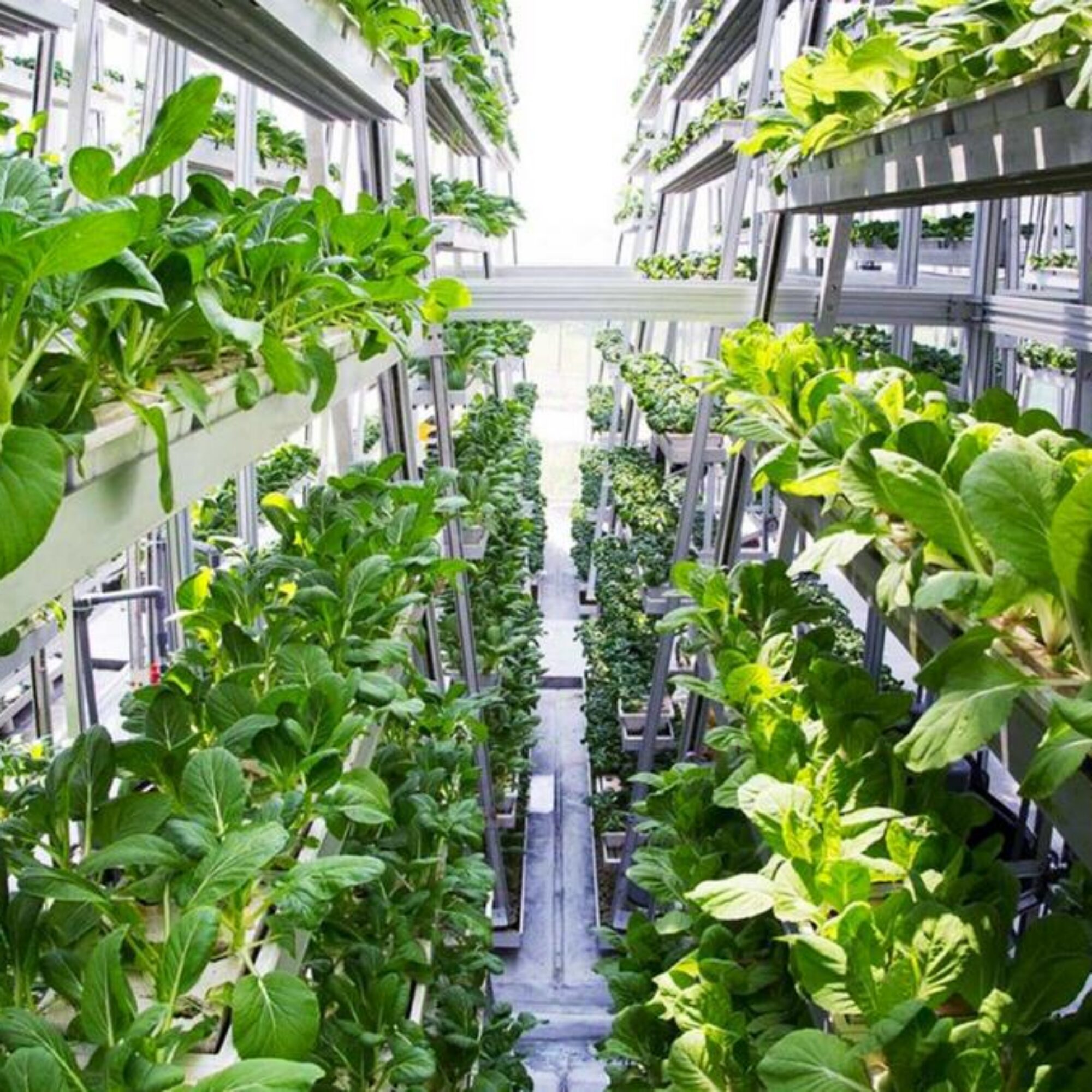
You've probably heard of vertical farms—growing crops indoors stacked as high as the entrepreneur builds. Indoors allows year-round growing, growing near where people live, saving transportation costs and pollution. It allows hydroponics and related techniques, reducing resource use. They light plants with LEDs with frequencies optimized for each plant. Despite these advantages, they face several limitations. So far, only high water, low calorie plants like lettuce, tomatoes, and herbs have proven economical. Grains and legumes cost far less to grow in traditional farms. They require a lot more energy, which the sun provide free. Do vertical farms provide a net gain? The answer requires engineering details still being worked out. Here's one line of inquiry, to give you a flavor. If the LEDs are powered…
2 Comments

Learned helplessness and managing population

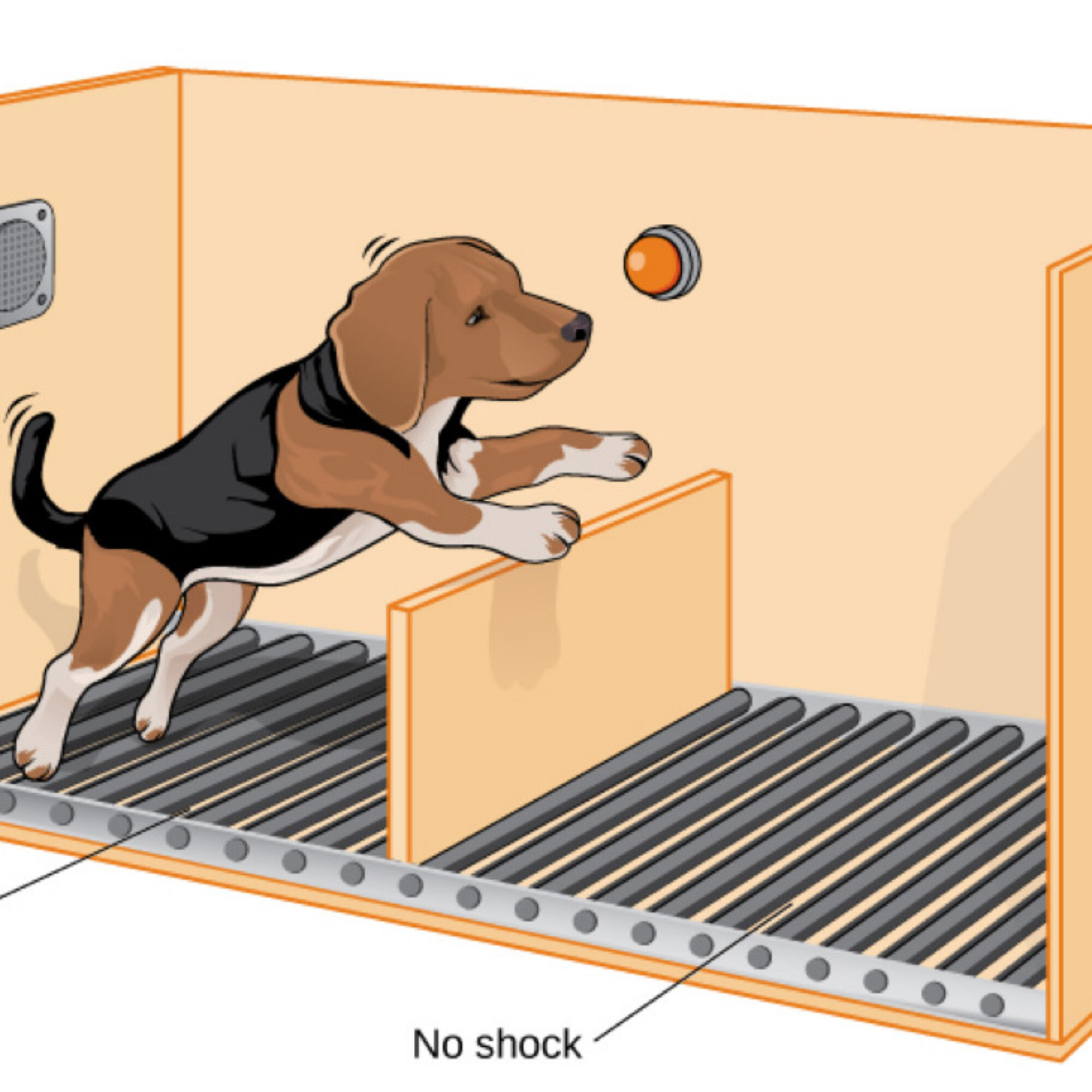
Martin Seligman is known as the father of positive psychology. In his words, "when I started, psychology was all about fear, conflict, struggle, and competition. I was part of movement that changed it to be also about meaning, control, love, engagement, accomplishment, success, and hope." He started that change by chance. In 1967, studying depression and responses to challenges, he discovered an unexpected result in dogs. He had administered an electric shock at random times to different groups. One group could stop the shock by pressing a lever, the other group's lever did nothing (ethics boards might not allow the experiment today). He then put dogs from the groups in a room where the floor on one side could provide a similar shock. The dogs…

2 Comments

Bill Gates and environmental leadership, part 2: His Addiction Speaking

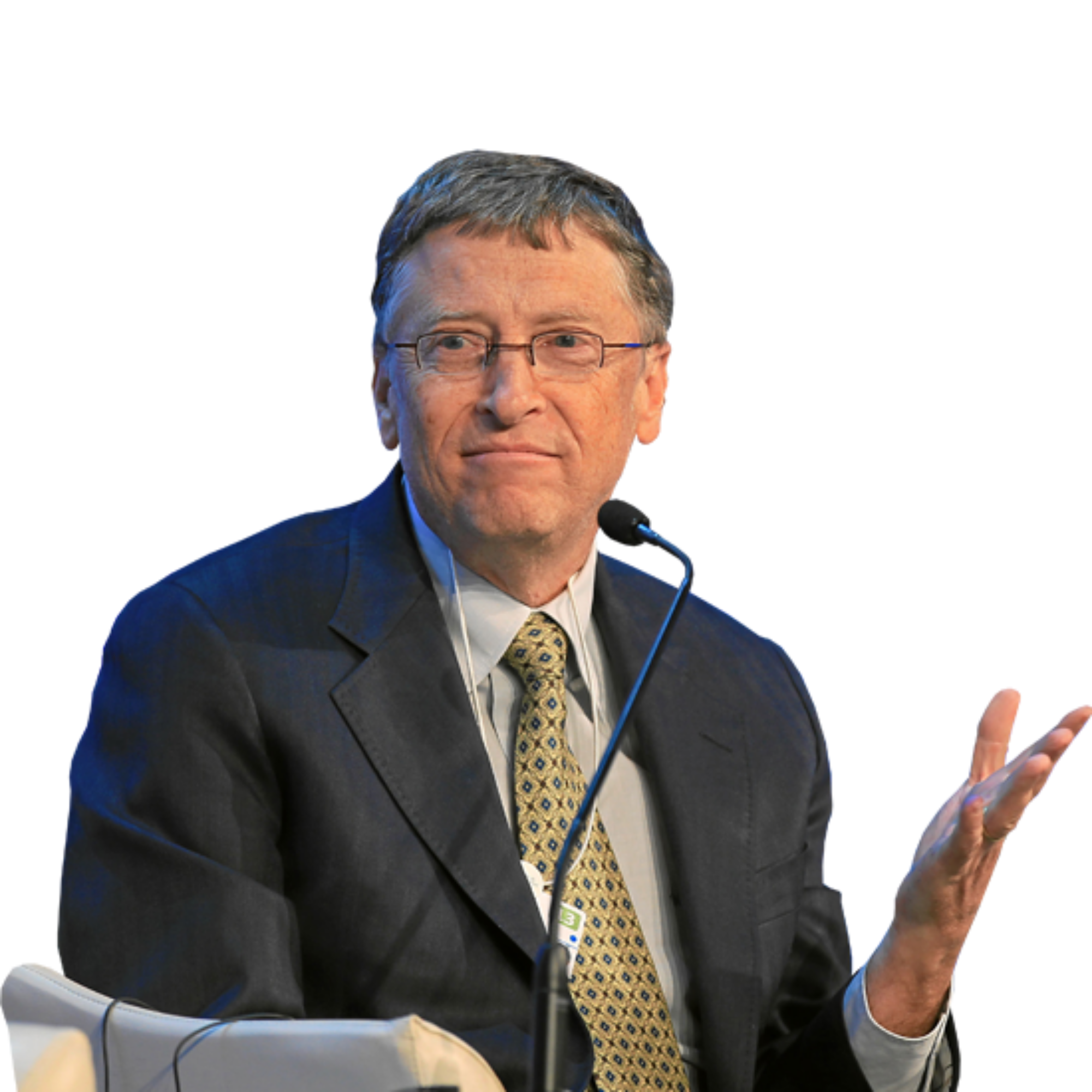
I posted the other day Bill Gates and environmental leadership on how he is undermining his own attempts at leadership in the environment that anyone would see as blatant if he acted similarly around the pandemic. We excuse his pollution and overconsuming because we want what he gets for them, like travel and mansions. A friend quoted a relevant passage from his book. I'll post my thoughts on reading the passage, then the passage. My thoughts on Gates's passage I see Martin Luther King paying others to go to jail in civil disobedience extra to offset his doing what he considers more important. Gates sees stewardship as a burden, deprivation, sacrifice, distraction. He doesn't want to do it. He has no idea what he's talking…

0 Comments

What happened to utopia?

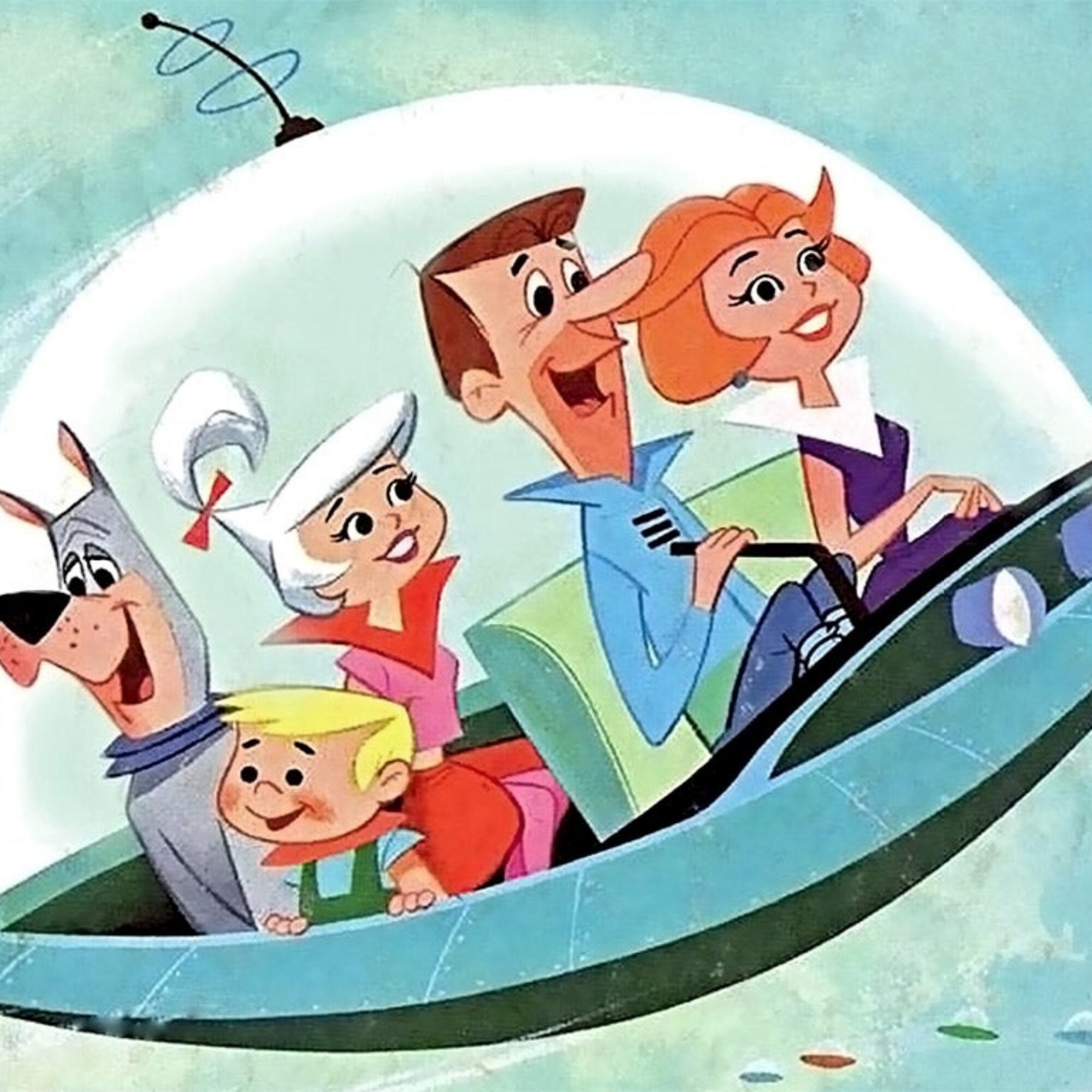
When I was a kid, a popular idea of a utopia involved robots taking care of life's needs. Today when people talk about automation, they present it in the context of displacing jobs. Let's say robots and automation could provide all of life's material needs---food, water, shelter, warmth, etc. It seems that yesterday's idea of utopia has become a source of fear. Maybe that's the media selling clicks, since anxiety probably generates more than confidence. If we could create robots and automation to provide everything for us, would we prefer that life? I think we'd expect that if we could, the companies that provided the service would still charge us for it. Nobody could pay for it, so nobody would get it. So why not…

0 Comments

Bill Gates and environmental leadership

Did you see Bill Gates's TED talk on pandemics from 2015, years before Covid? He foretold what scientists had predicted for decades and we came to see unfold around us. From the pandemic's start, he spoke on the news on the importance of wearing a mask. Imagine if after speaking about masks, he held a party for hundreds of people in close quarters, none of them wearing a mask. From a numerical standpoint, one person's actions or even hundreds', even Bill Gates and his friends, hardly matter out of 7.8 billion. Only governments and corporations could change things at that level. Of course, that "logic" is nonsense. Even without his resources and connections, we all influence people around us. Suggesting wearing masks and then flouting…

0 Comments

Debunking the myth that an ageing population is a problem.

An observation based on my experience with physics and economics: both fields create models that predict how nature will behave, often people for economists. Then we observe nature and people. In physics if nature contradicts our predictions, we say we're wrong and the model needs fixing. When people behave differently than economists predict, economists say people are wrong and need fixing. Economists claim that a country's or the world's population growing too old creates economic problems, like requiring too many young people to take care of old people or pensions will go bankrupt. These claims filter to the rest of us, who don't look at their assumptions to see the flaws. You need only consider that humans lived with close to no growth for hundreds…

0 Comments

Our environment is getting biblical

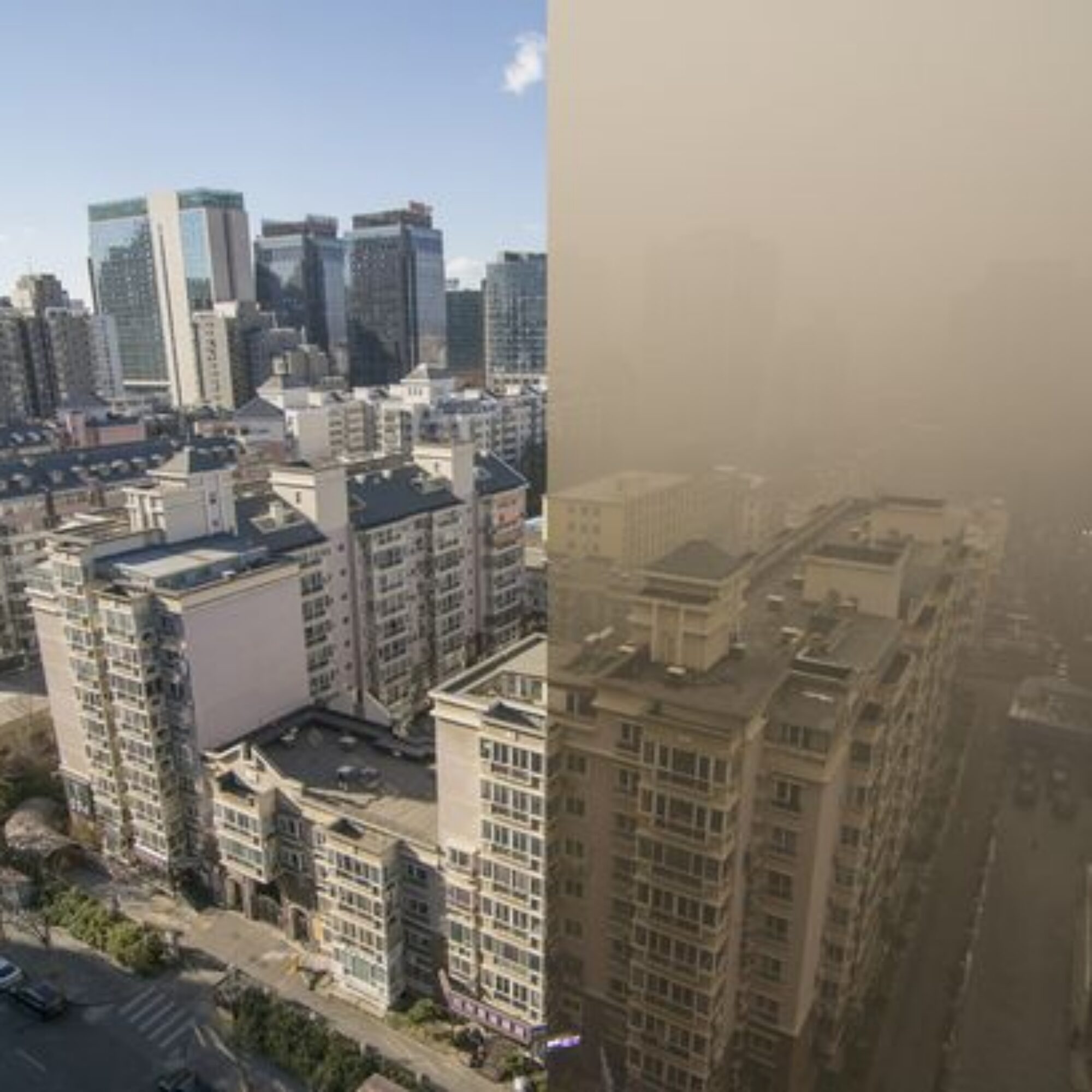
You've heard of fire and brimstone. The Bible refers to them plenty. Here's a typical passage, from Luke: But the same day that Lot went out of Sodom it rained fire and brimstone from heaven, and destroyed them all. Do you know what brimstone is? Sulfur. Do you know what makes acid rain? Sulfur! What did the ozone hole do if not let in fire? We're seeing fire and brimstone raining down from the sky. Should we count the pandemic? We're making all these things, though. They aren't just happening. We could choose to stop. We've indulged in many years of plenty. As we overfish and overuse nearly every other natural resource---why do we call parts of nature "resources"?---we can expect many lean years. The…

0 Comments

How learning sustainability is like learning sex

My books and courses get stellar reviews because they teach how to lead and take initiative effectively---not through lecture but through practicing the basics and advancing as we improve, sometimes to mastery. We learn all performance-based fields that way---sports, dance, music, military, and so on. I approached coaching acting sustainably similarly. It hit me the other day that some things we don't need structured learning for---things we love without any training and can pick up with practice. To learn them we need only start. We love indulging in the environment---walks in the woods, playing at the beach, watching a sunset or rainbow. I've now led hundreds, maybe over a thousand people to sample acting sustainably and the overwhelming majority enjoyed it. Most continued in some…

0 Comments

Hear my second conversation on This Sustainable Life: Solve for Nature

I wrote about Eugene launching This Sustainable Life: Solve for Nature with me as his first guest. As the guest on his podcast, he led me to commit to an environmental activity based on my environmental values. I committed to planting some edible plants in my windowsill. Listen to hear my results, how Joe DeSena and Spartan Race get involved, and more. Click here to listen at Eugene's site and subscribe. Here it is inline: Thank you Eugene for a wonderful conversation! More places to find Eugene This Sustainable Life: Solve For Nature PodcastBlogYouTubeTwitterFacebookInstagram

0 Comments

Do we need math and science after school?

You might think with a physics degree I'd feel strongly that we should require students to learn a fair amount of math and science. I love the subjects and consider them as beautiful as any art or music, but until recently didn't consider them beyond simple calculations important for most people. The pandemic and environment changed that view. The U.S. response to the pandemic exemplifies what happens when a nation that hasn't learned math or science for a few generations faces a natural problem. The mainstream seems to consider math and science important for engineering, which creates innovation and jobs. I have no problem with them, but they miss the value of math and science. I don't think most people understand their roots. Science is…

0 Comments

The Founding Fathers, travel, and flying

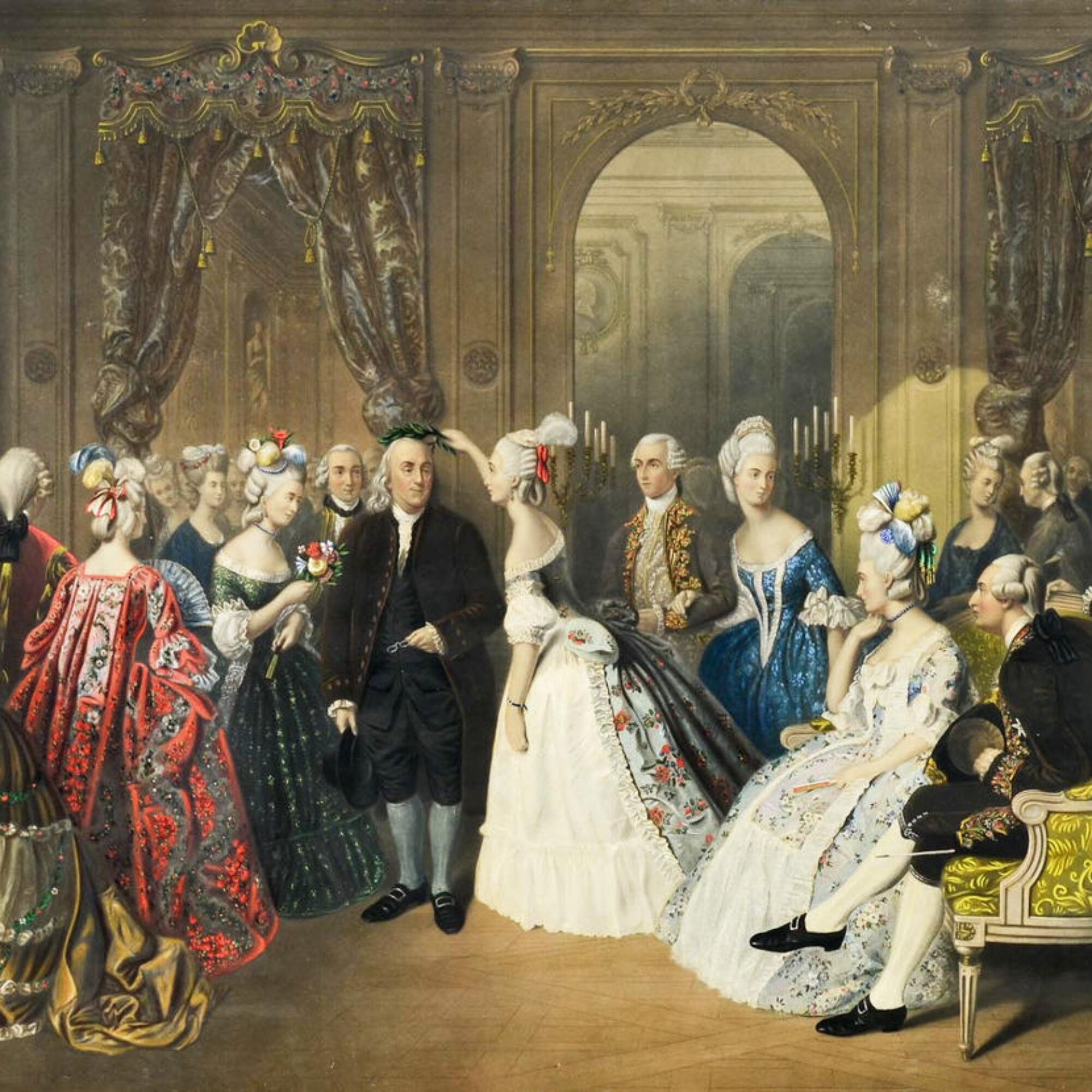
With my practicing singing the national anthem and my guests who are experts in abolition, I keep researching the colonies and early United States. Not my goal, but I noticed how often the American Founding Fathers kept showing up in Europe. Here's Benjamin Franklin in Paris: I could have posted about Jefferson, John Adams, or, for all I know, many non-famous colonists and early Americans visiting Europe and the Caribbean. Also plenty British and other Europeans visited North America, including many British troops. None of them flew. For that matter, their sailboats must have been slow and less stable or reliable than ours today. Yet they traveled across oceans without burning fossil fuels. Why should we think not flying means not traveling? Do we think…

0 Comments

Where Is the World Going, Mr. Spodek?

Where Is the World Going, Mr. Stiglitz? I saw a dvd at the library called Where Is the World Going To, Mr. Stiglitz and recognized the name and face of, Joseph Stiglitz, honoree of the economics Nobel and professor at Columbia Business School, where I got my MBA and friends took his course so I felt connected. Libraries lend for free, so I borrowed it, not knowing what to expect. I loved it---amazingly, because it was over six hours of an economist just talking to the camera. I normally don't enjoy economics, but I loved how he presented things---simply, directly, and enthusiastically. Below a short description of that video, I present something of my version of describing my views on sustainability, speaking Eugene Bible, host…

0 Comments

What the biggest human structure says about culture

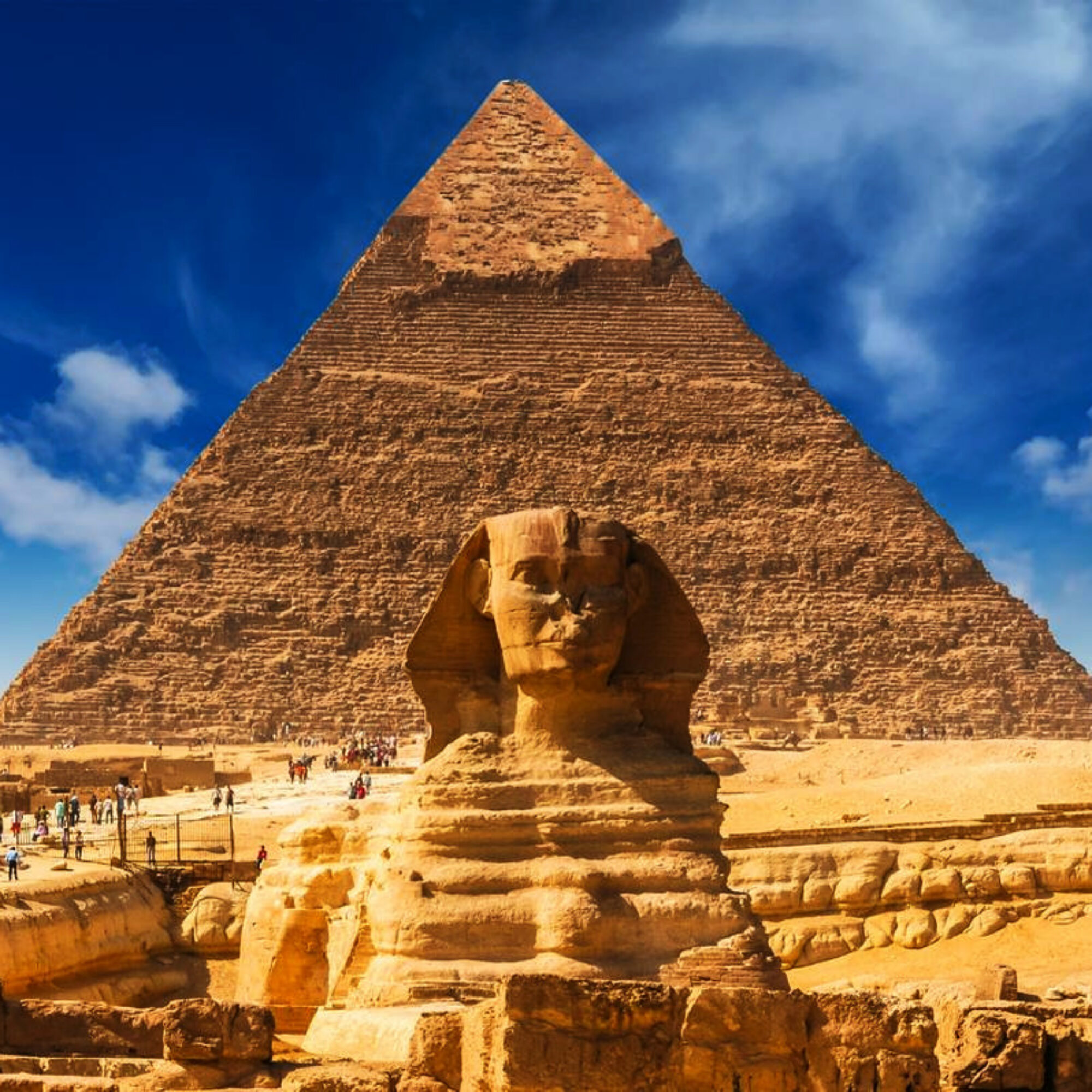
A friend pointed out how the biggest architectural structure has changed over history and what it says about culture. After listing a few he mentioned, I'll share the one I think will come next, if we haven't already attained it. I forget the details, but since the agricultural revolution led to permanent structures the largest structures humans have created have included: Markets for trading produce---probably the first. Religious structures or tombs, like the pyramids. Military defenses. Churches and cathedrals. Bridges. Government offices. Corporate and commercial buildings. I forget what order he put them in. It's interesting to consider what the structures say about the culture they emerged from. I proposed what will come next. He didn't expect it, but found it plausible: Garbage dumps. They're…

0 Comments

My latest ecological footprint, according to online calculator: 0.8 tonnes of CO2 annually

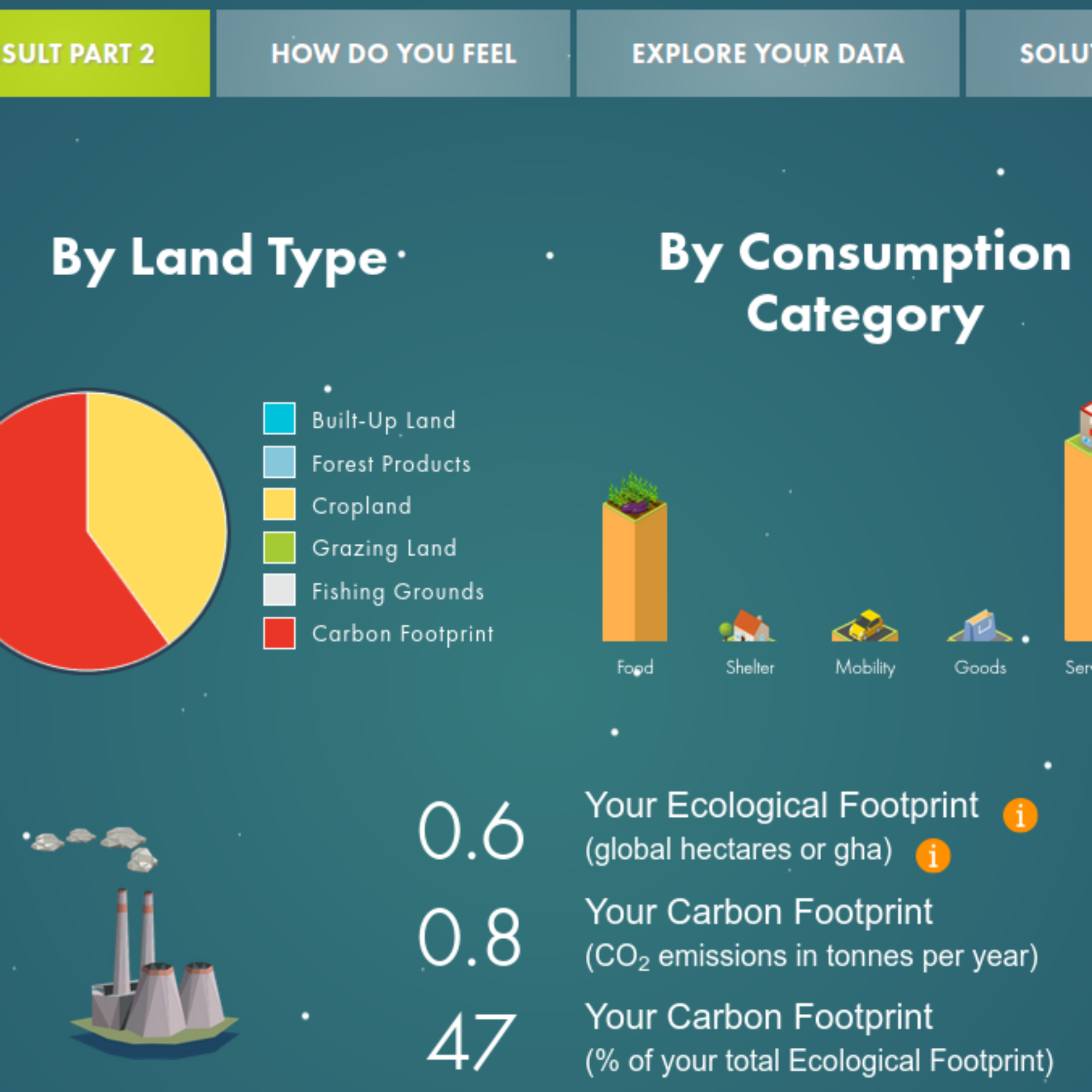
Since unplugging the fridge and a few other changes, I revisited the online calculator I used in my post from a couple years ago, My ecological footprint. My results: I cause 0.8 tonnes of CO2 emitted annually. I'm happy to have brought it down, but I'm just one person. I intend to help change a system that makes burning fossil fuels so standard and unquestioned. Systemic change begins with personal transformation. Could I be a role model? I hope so, since my role models helped me reach this level of joyfully living sustainably. I feel like I live like a king I can't remember feeling better any time before. Partly, I miss when my body recovered faster from a tough workout, could run faster, jump…

0 Comments

The reason renewables are becoming cheaper than fossil fuels nobody mentions

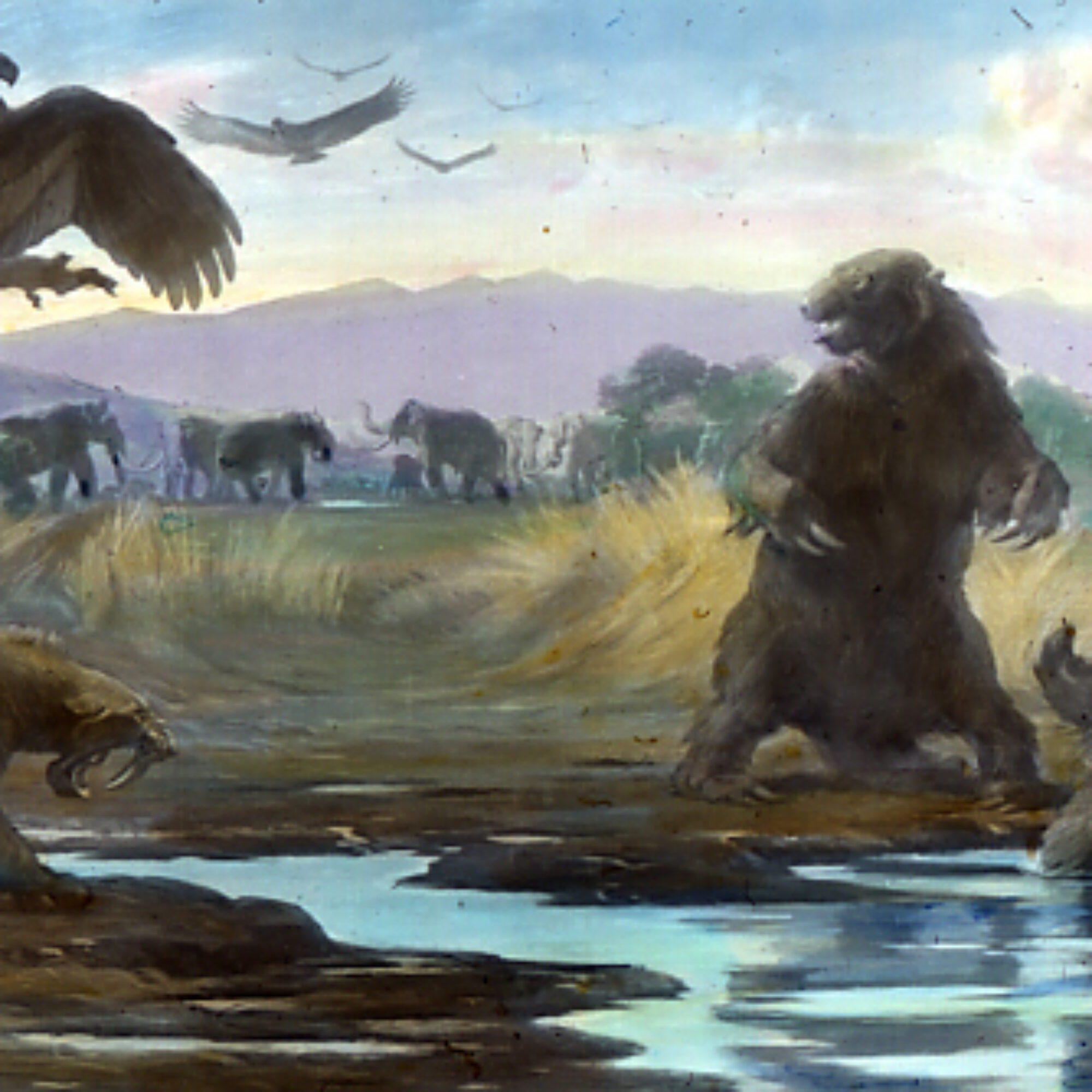
Why do you think energy from wind and solar have become cheaper than from fossil fuels lately in so many places? I've asked many people lately. Most people answer economies of scale, technological advances, simplifying production, and factors about manufacturing solar and wind tools. I'd like to point out how expensive fossil fuels have become. Have you heard of the La Brea tar pits? Here's Wikipedia's description: La Brea Tar Pits are a group of tar pits around which Hancock Park was formed in urban Los Angeles. Natural asphalt (also called asphaltum, bitumen, pitch, or tar—brea in Spanish) has seeped up from the ground in this area for tens of thousands of years. The tar is often covered with dust, leaves, or water. Over many…

0 Comments

Is the best book on pollution and depletion a picture book you can finish in a sitting?

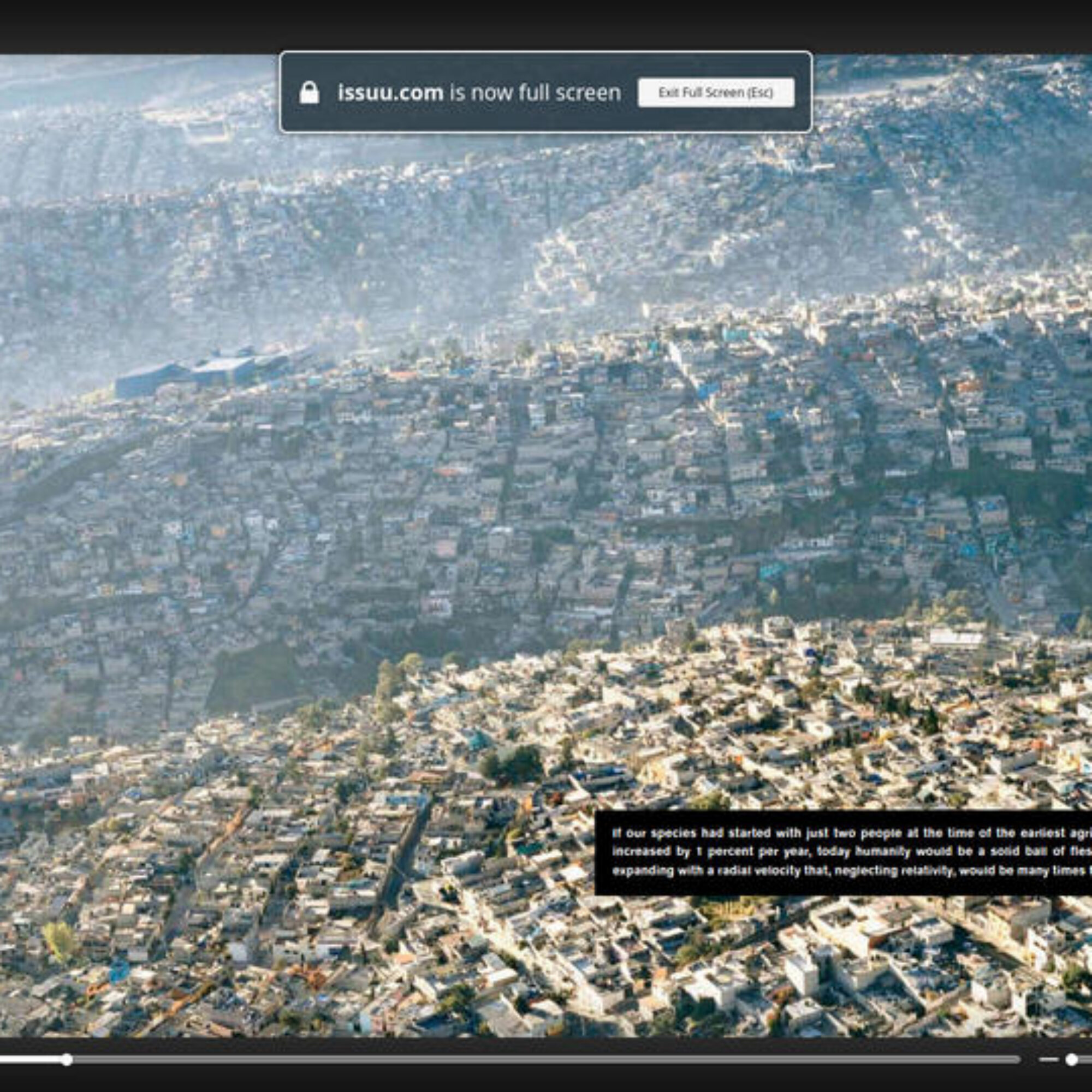
I've read a lot of books on nature. Most focus on facts, figures, and information that don't help. To the extent they provoke emotion, they do so heavyhandedly, lacking genuineness or authenticity. If you're explaining, you're losing, as a former U. S. President said, and most books on nature explain. I just finished a book, Over, which you can review online in its entirety for free. It's mostly a book of photographs. By aesthetic standards like composition, color, line, and form, the photographs are beautiful. Like many great works of art, it says something I knew but in a way I didn't know it could be said. It illuminates my understanding of myself, what human means, nature, beauty, and purpose-level parts of life. By measures…

0 Comments

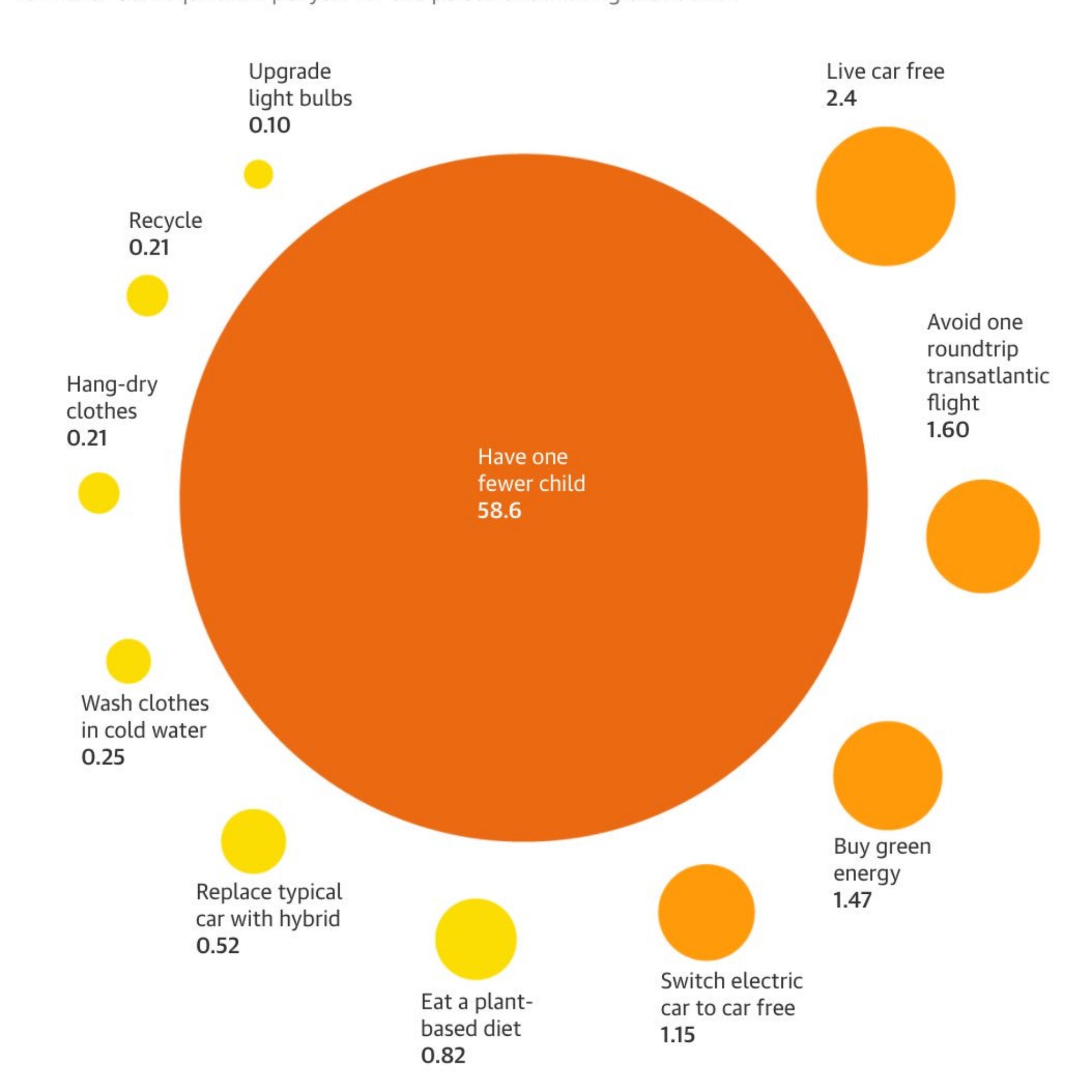
Population: Why not educate men on family planning?

The more I learn about successful, non-coercive, voluntary family planning leading to more freedom, stability, and prosperity, the more I talk about it. Think the opposite of China's One Child policy or whatever eugenics programs you've heard of. You don't judge fire because it burned down a home. Any time family planning comes up, someone parrots, "we must educate women and girls! It's the most effective way!" As far as I know, men around the world receive more education than women, though I understand less in the US and Europe at most ages and in most fields. Do we teach men and boys family planning, though? I don't know, but I have a feeling we teach men and boys vocational skills and probably broad subjects…

0 Comments

Do you drink bottled water? Watch Tapped, the movie.

A friend told me about a documentary his friend produced, Tapped. I recommend it for those who care about their health, budget, and environments. It came out in 2009, so I don't know how I missed it so long. You can watch it here for free from Thought Maybe---a site loaded with free documentaries, so I recommend exploring that site more if you haven't. You can even right-click the movie at the site to download it. Here's the description from Thought Maybe: Tapped shows the hidden affects of the bottled water industry by documenting the impacts to the environment from plastic bottles, pollution from production, right down to the impact on the communities, land and people from which the water is taken… There's more at…

0 Comments

Do you have any secret or latent concerns or fears about the environment? Did I miss any?

You can help me work on my book. I asked people's most important questions and biggest worries. Today I'd like to ask if you have any latent or secret concerns or worries---things you normally don't share. Do the following concerns resonate with you? Should I add or remove any? What questions would you like answered? Please post new questions or topics as responses or feel free to contact me directly. Searching inside myself, I believe many of us secretly fear Not really knowing or understanding the problems.Our children suffering, especially if our actions or inaction was relevant.Our children blaming us for their suffering.Facing the guilt, shame, or other intense emotion we've repressed.Looking ignorant or stupid about something important.A dystopian future like in a science fiction…

0 Comments

Are these your main worries about the environment? Did I miss any?

You can help me work on my book. Yesterday I asked people's most important questions. Today I'd like to ask your biggest concerns---what worries you? What keeps you up at night? Your worries don't have to be the biggest the Earth faces, but what you actually think. Do the following concerns resonate with you? Should I add or remove any? What questions would you like answered? Please post new questions or topics as responses or feel free to contact me directly. I'm worried my children will face a polluted world.I'm worried I will face a polluted world.I'm afraid the economy will crash.I fear losing my job if laws constrain my company.I fear losing my way of life.I feel ignorant about something people say is important.I'm…

0 Comments

Are these your burning questions about the environment? Did I miss any?

You can help me work on my book. I'd like to address people's most important questions nobody has answered to your satisfaction. Do the following questions resonate with you? Should I add or remove any? What questions would you like answered? Please post new questions or topics as responses or feel free to contact me directly. How can I Live the way I do without polluting?Avoid plastic?Drive and fly without polluting?Help the world so I know my contribution mattered?Understand the problem so it doesn't sound so confusing?Help others act to, so I don't feel it's only me?Change the system creating inequalities contributing to the problem?Clean my neighborhood?Reduce ocean waste?Protect my family and people I love from floods, hurricanes, famines, and catastrophes?Tell if what scientists predict…

0 Comments

This Sustainable Life: Solve for Nature launches from Japan, hosted by Eugene Bible

The latest offshoot of This Sustainable Life launched today from Kyoto, Japan, This Sustainable Life: Solve for Nature, following branches coming from Andreas in Sweden, Alison in England, Nicola in Italy, and more soon. The host, Eugene Bible, already hosts a blog, Verdant Growth, and a video channel, both on sustainability. As an engineer, he focuses on solving our environmental problems through science and engineering. I subscribed. I recommend you do too! If you want to start a branch too, contact me and let's talk about training. Eugene's podcast notes From the podcast page: On TSL: Solve For Nature, our guests are the heroes using science, engineering, and technology to save our world from climate change, pollution, and the environment. We hear their stories and…

0 Comments

I love Goodwill, but we let it enable our wasteful choices

[EDIT: I added a powerful video at the bottom of this post that came out after I wrote this post that documents the results I describe. I recommend watching it. You can make a difference. What you do matters.] If you're going to buy clothes, I recommend shopping at thrift stores, but I think most people use them for selfish, nefarious purposes. There's a Goodwill between me and Washington Square Park and another on 14th Street I pass on the way to and from Union Square. I consistently see lines for people donating to them. Sometimes trucks deliver truck-fulls of stuff to sell. That is, people drop off tons of stuff. I'm pretty sure a lot of them think they're helping people in need. I'm…

0 Comments

The problem with “Governments and corporations have to change”

"What really has to happen is governments and corporations have to change." People say it all the time. Do they think they're helping? Duh! Of course. We knew that already. Everyone knows that. That's the goal. When they change, we only have to implement---a big challenge, but swimming downstream, not upstream. It's as pointless as to say What really has to happen is we have to score more points than the other team. or . . . we have to create a better product and market it better than the competition. Thanks for stating the obvious, smartypants! They're implying and often outright say, "individual actions don't matter," but dig deep to understand why they're saying something so obvious is what they're really abdicating responsibility, communicating:…

0 Comments

Government and corporations are more problem than solution

"Our environmental problems are so big, individual actions don't matter. Only governments and corporations can make a difference." I've come to see this view as backward. Governments and corporations are causing the problems. They are what we have to change. If we wait for them to act, we will lose. When you recognize that we have to motivate them to act, you realize they are the problem. I include universities too. I hope this message helps change the situation. Eventually government, corporations, and universities will become a part of the solution so I believe we as individuals have to work to influence them and never let up. Like moving the rudder of a supertanker shows no visible change, but hours later thee boat is moving…

0 Comments

End of content

No more pages to load