Nature


What comes next: mind, body, ?

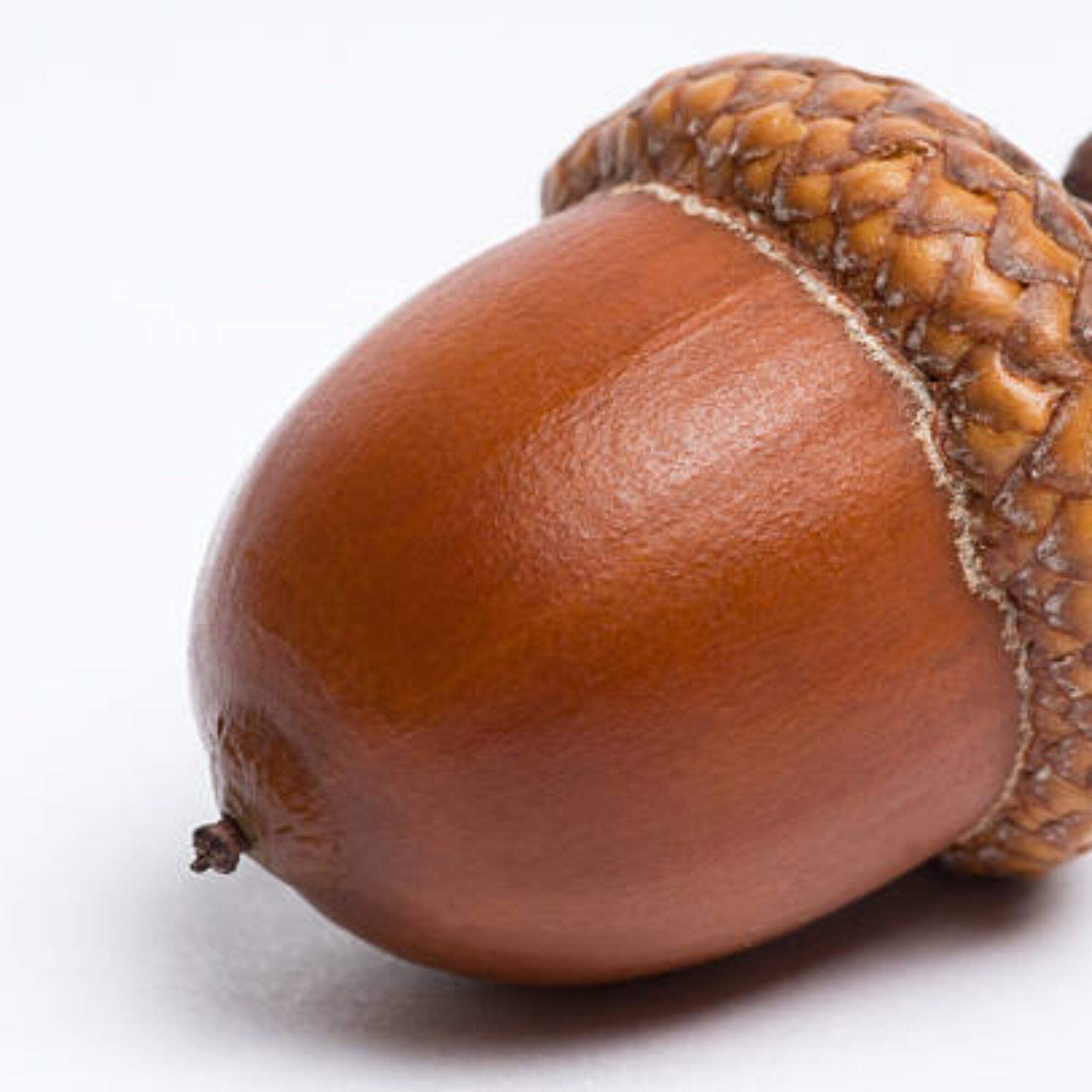
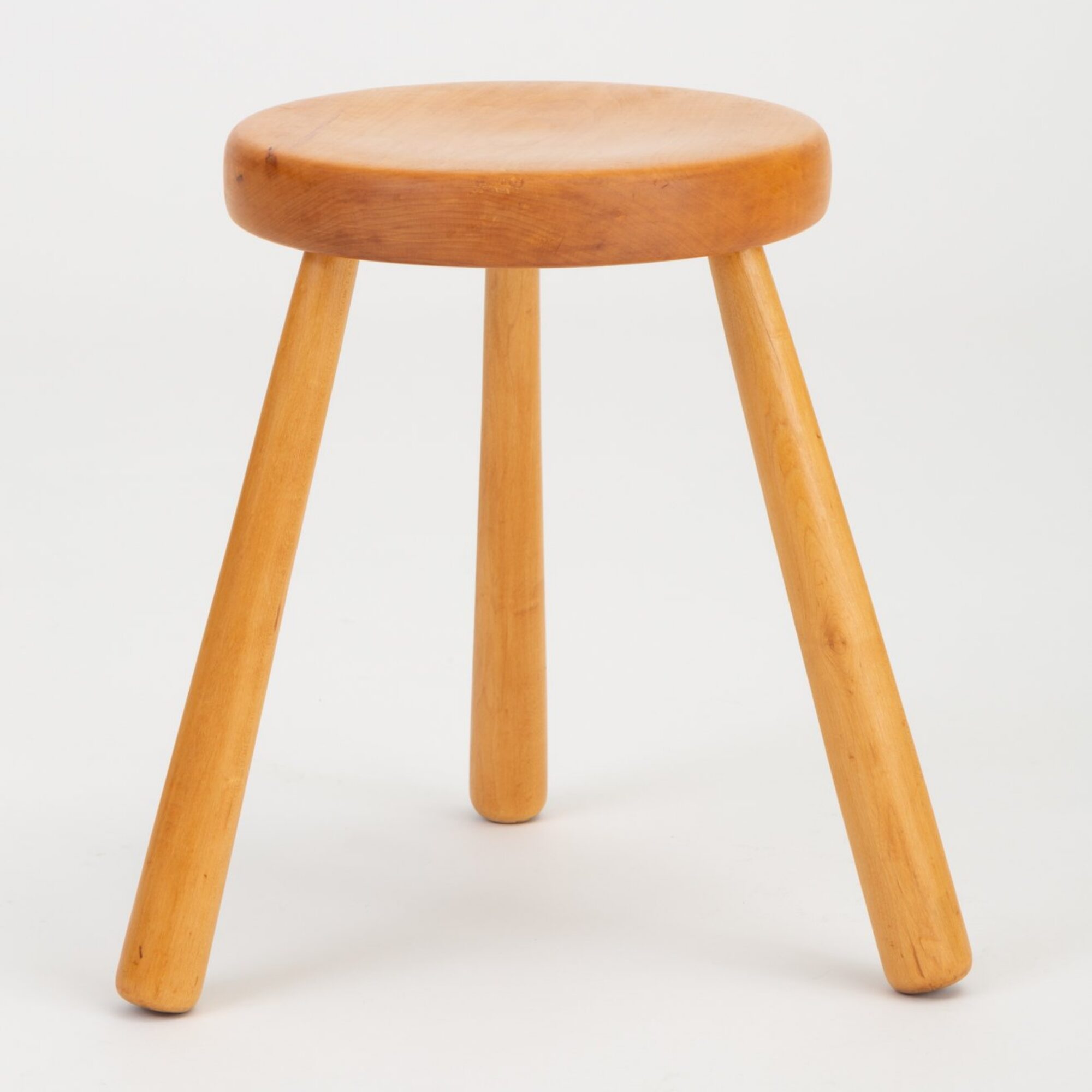
Search the web for "mind body" and you'll see tons of responses. I'm glad. With a tenured history professor as a father, I grew up favoring the mind. I can't say the family neglected the body, but fitness, exercise, and diet came later for me, when I discovered them. I wish I'd appreciated and developed the body earlier---mine and that side of life. Our society seems to recognize the value in not neglecting mind or body, though many parts appear out of balance. Many people will add spirit or soul. I won't argue against including them, but I consider them part of mind. I still believe there are three legs to that stool: mind, body, and nature. Leaving out our minds' and bodies' connection to…

0 Comments
Allegory: the source of our environmental problems
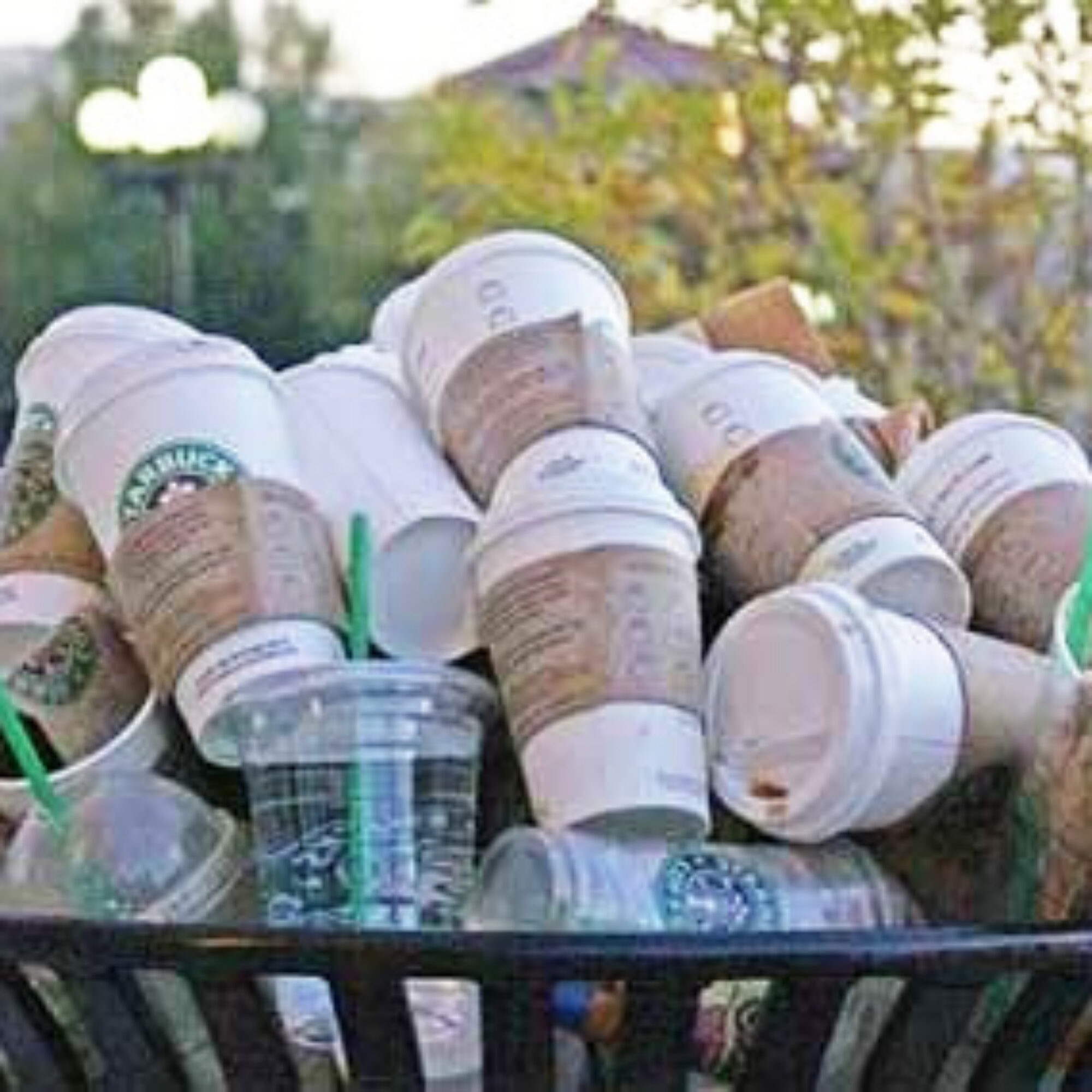
Starbucks garbage: it's what they make

Allegory: the source of our environmental problems

Two cafés. One serves in mugs they have to wash, the other in disposable cups. The first needs a person to wash the dishes, a dish washing machine, and to pay for the real estate and maintenance. The second doesn't have to pay those costs. Starbucks garbage: it's what they make The disposable café can charge less or profit more. The extra money motivates it to expand. It can keep expanding. The first café may go out of business. It may emulate the other and move to disposable. One could see the pattern as good business, but the local picture doesn't account for all costs and business requires effective accounting. The disposable café's costs don't end with the sanitation department accounting. Regarding the mugs, when…

0 Comments

The Story of Plastic panelists

I can't wait for Thursday's Story of Plastic panel. I wish we didn't live in a world that merited it, but we do and I consider the movie and expert panel one of the best things we can do about it. Everyone who has watched tells me they learned more than expected and are glad they watched. I've spoken to several people about the movie, but not yet hundreds so I look forward to seeing you all. We're at triple the registrants we expected with more registering all the time. The Story of Plastic people are happy to accommodate. If you haven't registered, register here. You can share the link. For more background, read my posts if you haven't: Your new plans for October 22:…

0 Comments

My keynote and panel at Swedish Food Tech’s Big Meet

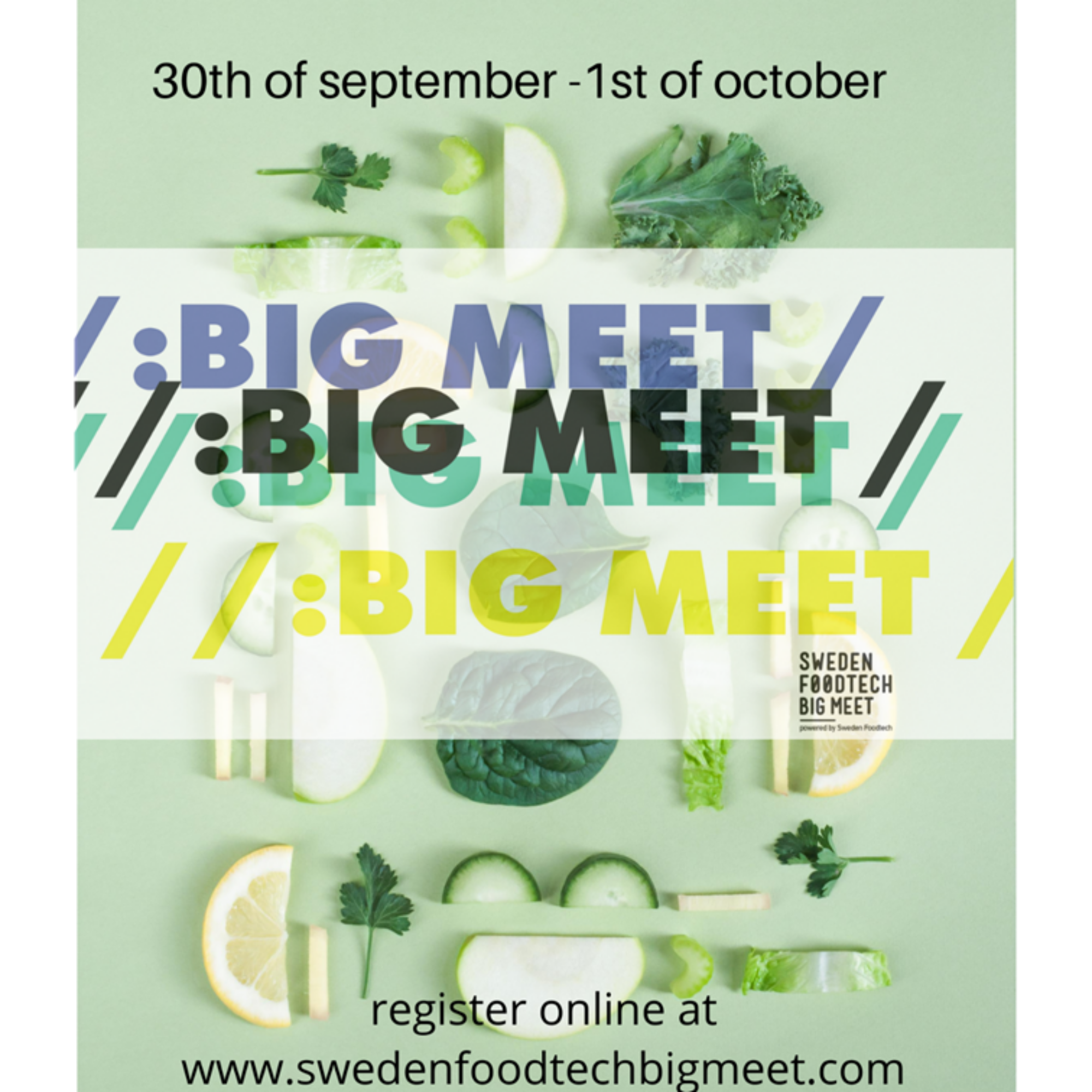
Speaking at last years 9th annual Sustainology hosted by the Swedish American Chamber of Commerce led to speaking and participating in a panel at this year's Swedish Food Tech Big Meet. We originally planned for me to speak and lead a demonstration at the event planned for the spring. We had nearly locked down the sailing plans when the pandemic struck. I loved participating by internet, but would have loved more to sail there in person, cook my famous no-packaging vegan stew for the crowd, and tasted the food from the renowned chefs participating. Soon! I spoke to Johan, whom you'll see in the first video below, and we decided to talk about doof. I explain the term in the video. I believe it resonated…

0 Comments

My famous no-packaging vegan stew webinar with Plant Powered Metro New York (plagued by technical problems)

Two weeks ago I presented online how to make my famous no-packaging vegan stew with a group called Plant Powered Metro New York. I apologize that Murphy's Law struck hard. Everything that could go wrong did, but I couldn't tell what in the moment so only on viewing it now did I hear how much the microphone distorted my voice. The lighting was off. After starting we found out they gave us the wrong url so we had to restart. Apparently they stitched together the part I did to no one. Lots more problems not worth going into except to note that they filled me with anxiety that I couldn't recover from because we were recording. I wish someone told me how awful the sound…

0 Comments

Beth Comstock on The Story of Plastic

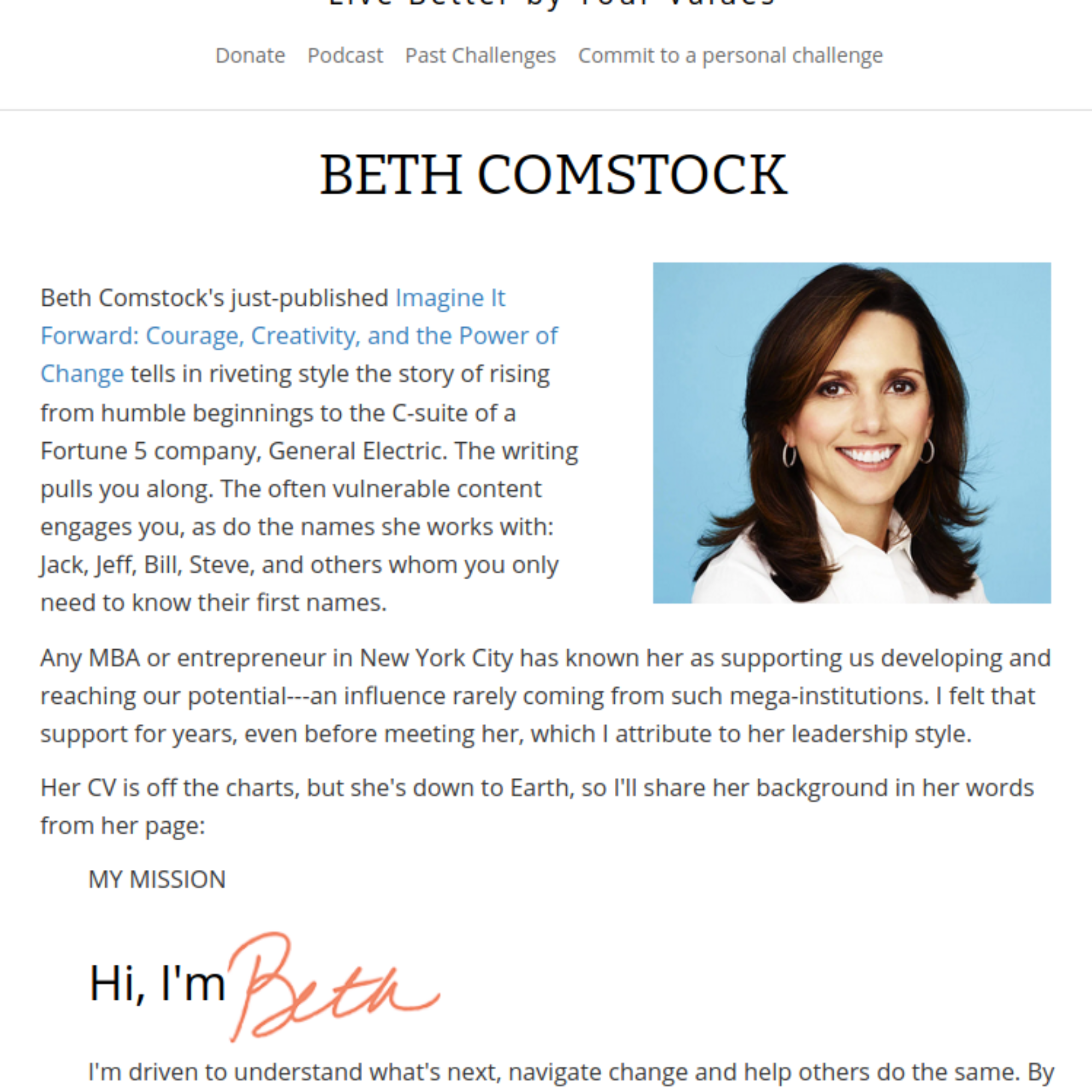
The Story of Plastic may be challenging to watch in the gritty reality of what plastic waste is doing to our world. But it also offers hope by showing us people acting and making change in surprising and effective ways around the world. It invites us all to join them.Beth Comstock, Former CMO and Vice Chair of GE, Director at Nike, Trustee of The National Geographic Society EDIT: after reflecting on the movie, in a later email Beth added: The more I think about it, the more that movie makes me mad---mad at how we've ignored the issue, it's impossible to ignore now! It's a powerful movie. Longtime readers and listeners will remember Beth Comstock's episodes on the podcast. After remembering her accomplishments, you may remember she…

0 Comments

Your new plans for October 22: Join the screening and panel of experts I’m hosting on The Story of Plastic.

Join This Sustainable Life for a free online screening (at your convenience starting October 19) and panel discussion of The Story of Plastic Thursday, October 22, at 7pm ET. (Note: the Leadership and the Environment team is about to rebrand as This Sustainable Life. This event debuts the new logo and name!) Join This Sustainable Life for a free online screening (at your convenience starting October 19) and panel discussion of The Story of Plastic Thursday, October 22, at 7pm ET. Register here Too much plastic in your life? Wonder how much it affects your health and environment? Looking to avoid it? You're not alone. People globally are educating, acting, and legislating. THE STORY OF PLASTIC takes a sweeping look at the man-made crisis of…

0 Comments

Ask not “how bad does it have to get before people act?”

People ask "How bad does it have to get for people to act?", "How many once-every-five-hundred year storms must we face in back-to-back years before we do something?", and similar questions. These questions arise from the belief that we only act to allay our own suffering, as best I can tell. I used to ask them too. They, and the model prompting, them aren't the only places we can start from. They aren't even effective. If we wait until we suffer before acting, the most polluting people---generally the richest---will never act. They have the resources to protect themselves, so they'll never feel the pain. What to ask A more relevant and useful question is "Who has acted in situations like this and how were they…

0 Comments

Attend my online workshop: Make my famous no-packaging vegetable stew. Free, October 1 online

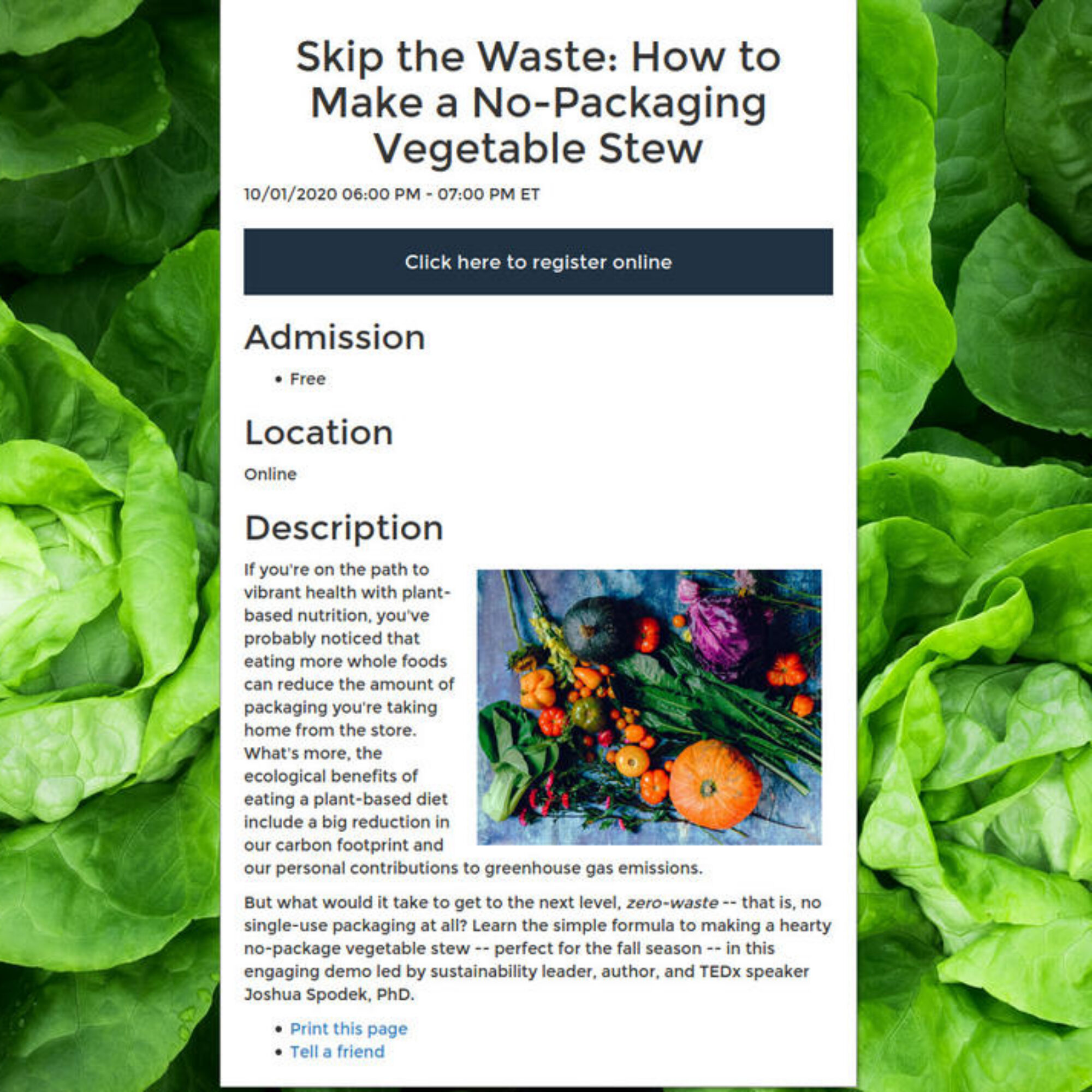
You've heard of my famous no-packaging vegetable stews and that I take over a year to fill a load of trash. Read the reviews. Now see how to do it online! Plant Powered Metro New York is hosting this free online event. October 1, 2020, 6pm-7pm Eastern Click here to register. I've cooked for over fifty people with nothing to throw away or recycle after. I led a cooking demonstration at Lululemon for Earth Day and in the Bronx to show how to do it in a food desert. Click here to register. Description If you're on the path to vibrant health with plant-based nutrition, you've probably noticed that eating more whole foods can reduce the amount of packaging you're taking home from the store.…

0 Comments

More disposable cars: Ignoring unintended side-effects

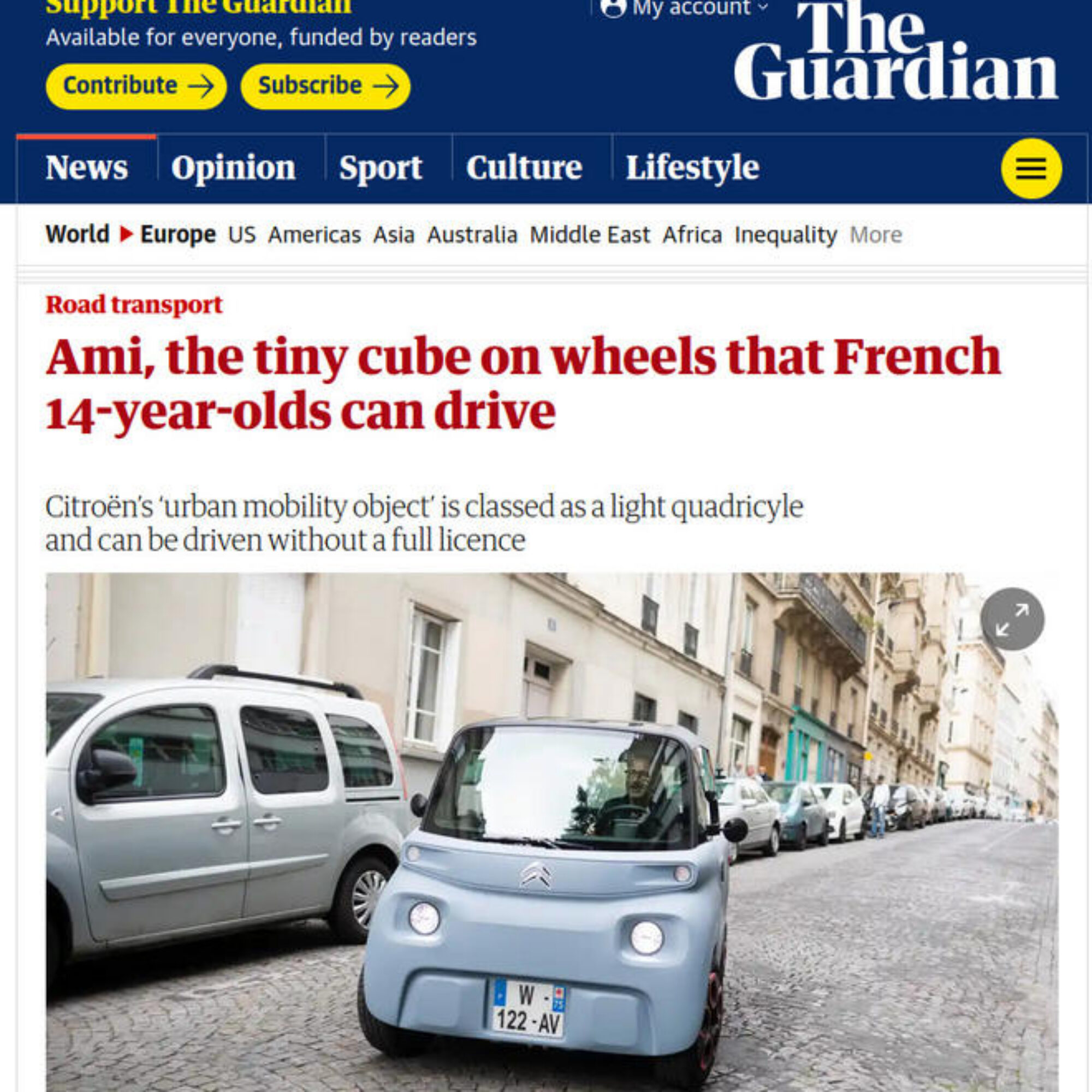
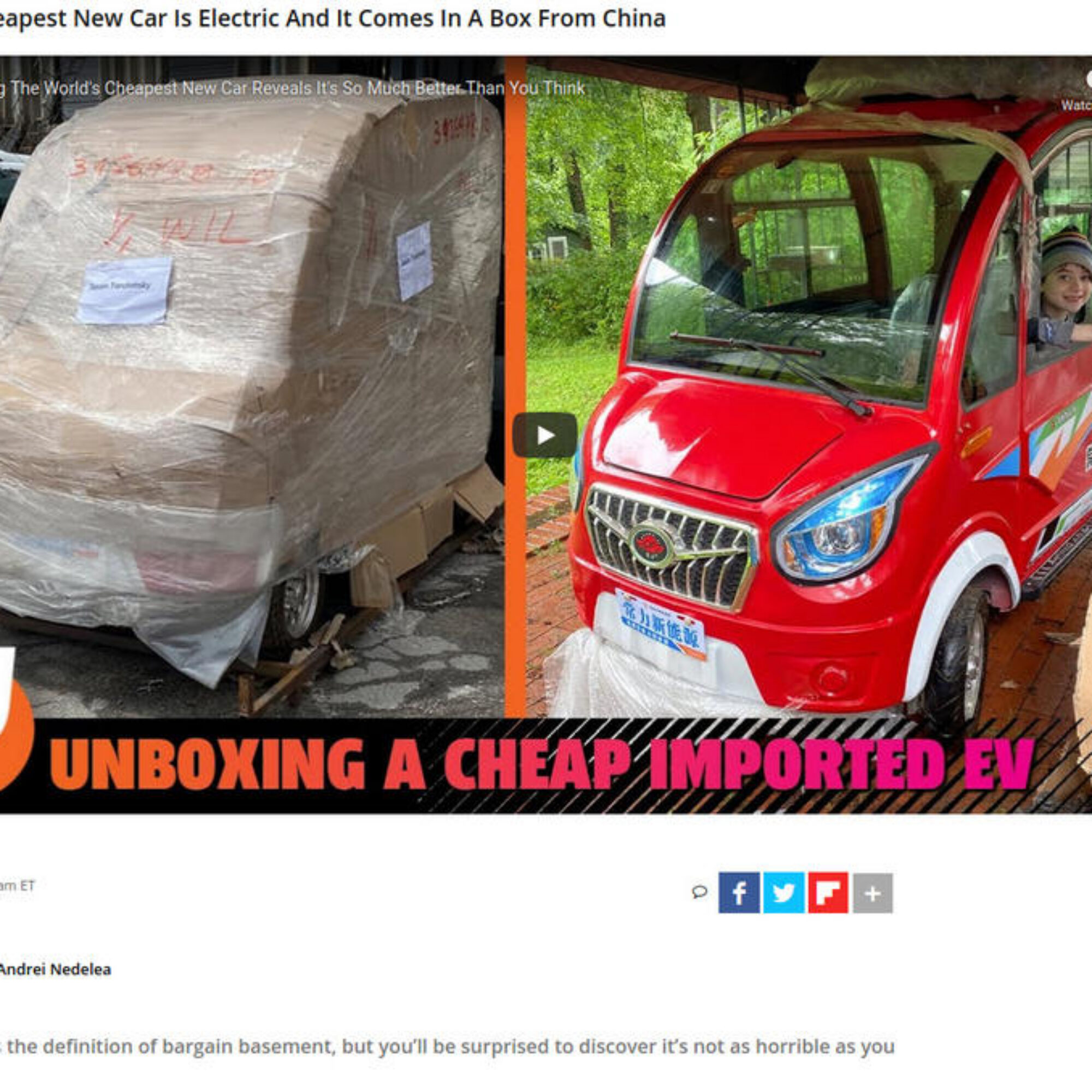
Less than 24 hours after posting about cars becoming disposable, discovering while writing that post that it looks like it's already happening in China, I see this headline: This car will become disposable and will choke landfills The article's tone suggests a wonderful novelty. Yes, it will enable people to do what bicycles do without having to pedal or get rained on, but things don't only give us the effects we want. They give us all the effects. For generations we've watched industries lower prices and make material things more accessible---plastic, clothes, furniture, etc. Every time we react with wonder of the desired results. Then we lament the side-effects evident from the start. We don't lack comfort and convenience. We're choking on waste. We like…

0 Comments

Prediction: cars will become disposable

Walking around Manhattan, with many people moving out, sidewalks are overflowing with what they don't value enough to keep. What are they disposing? Sofas, mattresses, shelves, chairs, books, televisions, printers, scanners, lamps, mirrors, plates, toasters, silverware, . . . I could go on. Notice anything about them? All those things used to be once-in-a-lifetime purchases. Some were high-tech wonders when introduced---now disposable. We don't value them as much as the effort to maintain them. We turn them into pollution. Our market system has shifted from creating value to creating craving. People like novelty, I guess, so marketing engineers figure out how to generate craving so they can temporarily satisfy it. Meanwhile, markets motivate people to figure out how to deliver with lower cost. The result?…

0 Comments

The virus does nothing

People talk about what the virus does, like it spreads on its own or it's waiting or it want this or that. The virus does nothing on its own. It has no means of locomotion. It has no mind to think or choose. It has no volition or will. It reacts. That's it. It's like water flowing downhill. We need to learn its structure and mechanisms to learn how it works, but we need to look at ourselves to change its results. Not blaming. Stating. Everything that's happened regarding the virus has resulted from our behavior and nothing else. I'm not blaming. I'm stating. It evolved to spread more than its cousins by reproducing more numerously based on our behavior. As with the environment, if…

0 Comments

I don’t have to steward. I get to.

I don't have to do what I do to act in stewardship to others. I get to. By avoiding flying and packaged for or by picking up others' litter or training people for free to start offshoots of my podcast, I'm not missing out on better things or sacrificing my time. If you think stewardship to others, especially those helpless to protect themselves from my actions that hurt them, lessens my life, you're missing out on the greatest feelings humans can have, to act in service of something greater than all of us, that helps us all. If you think I'm a sucker or a loser for doing unto others as I would have them do unto me, as many prominent people think of someone…

0 Comments

The Book: Food and Climate Change–Without the Hot Air

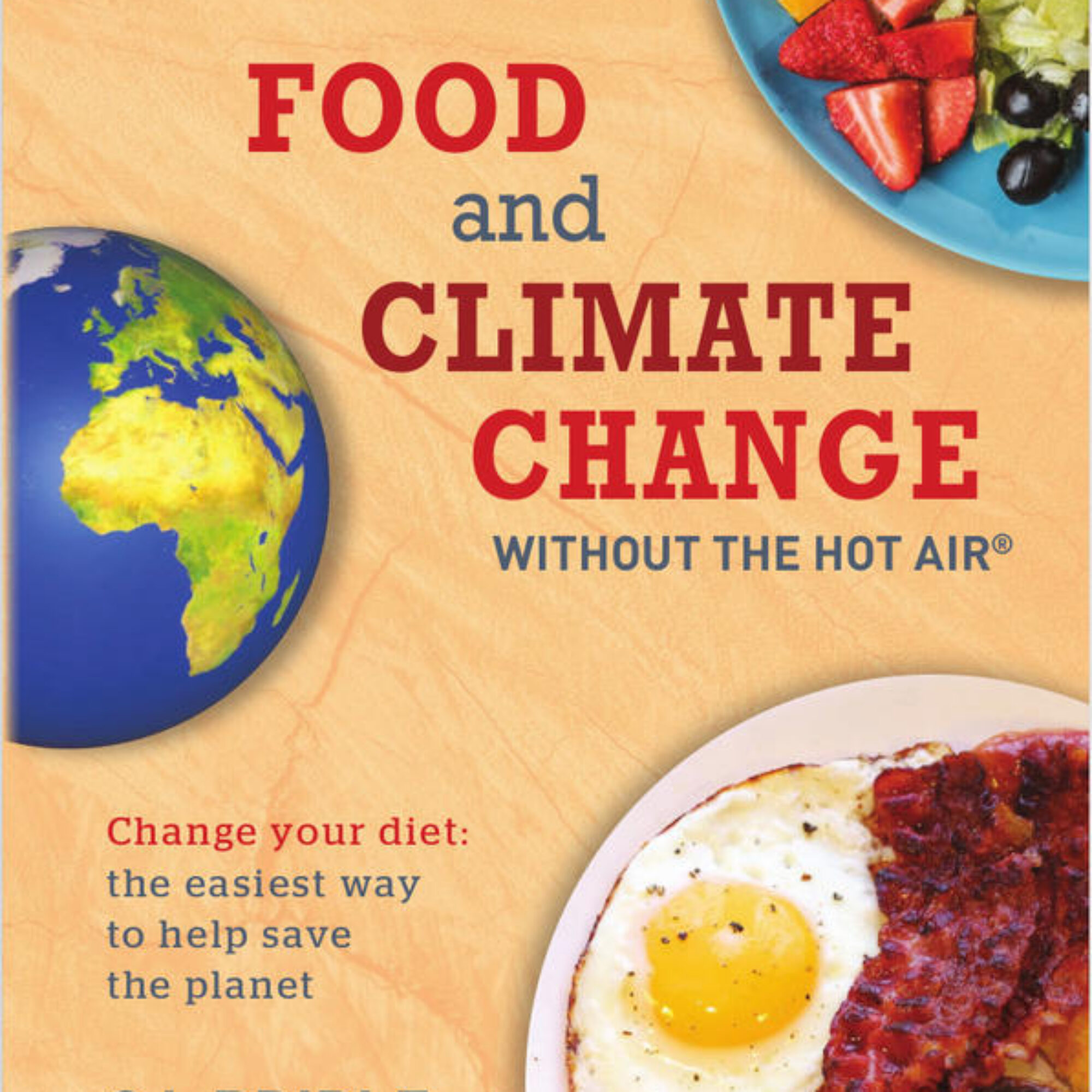
Food started my path to finding that acting on my environmental values improves my life. Before trying, I expected stewardship to feel like a burden or chore. Eating from scratch relieved me of that misperception. Food is delicious so great place to start your journey. A new book came out in the Without the Hot Air Series that began with David J.C. MacKay's Sustainable Energy Without the Hot Air, available by free download. I consider it one of the most valuable resources on learning and practicing sustainability. The new book is called Food and Climate Change Without the Hot Air. The author, Sarah Bridle, also comes from an astronomy background. It continues the series' presenting the information usefully without sensationalizing it. UK readers can download…

0 Comments

Watering my tomato plants means climbing 11 flights every day

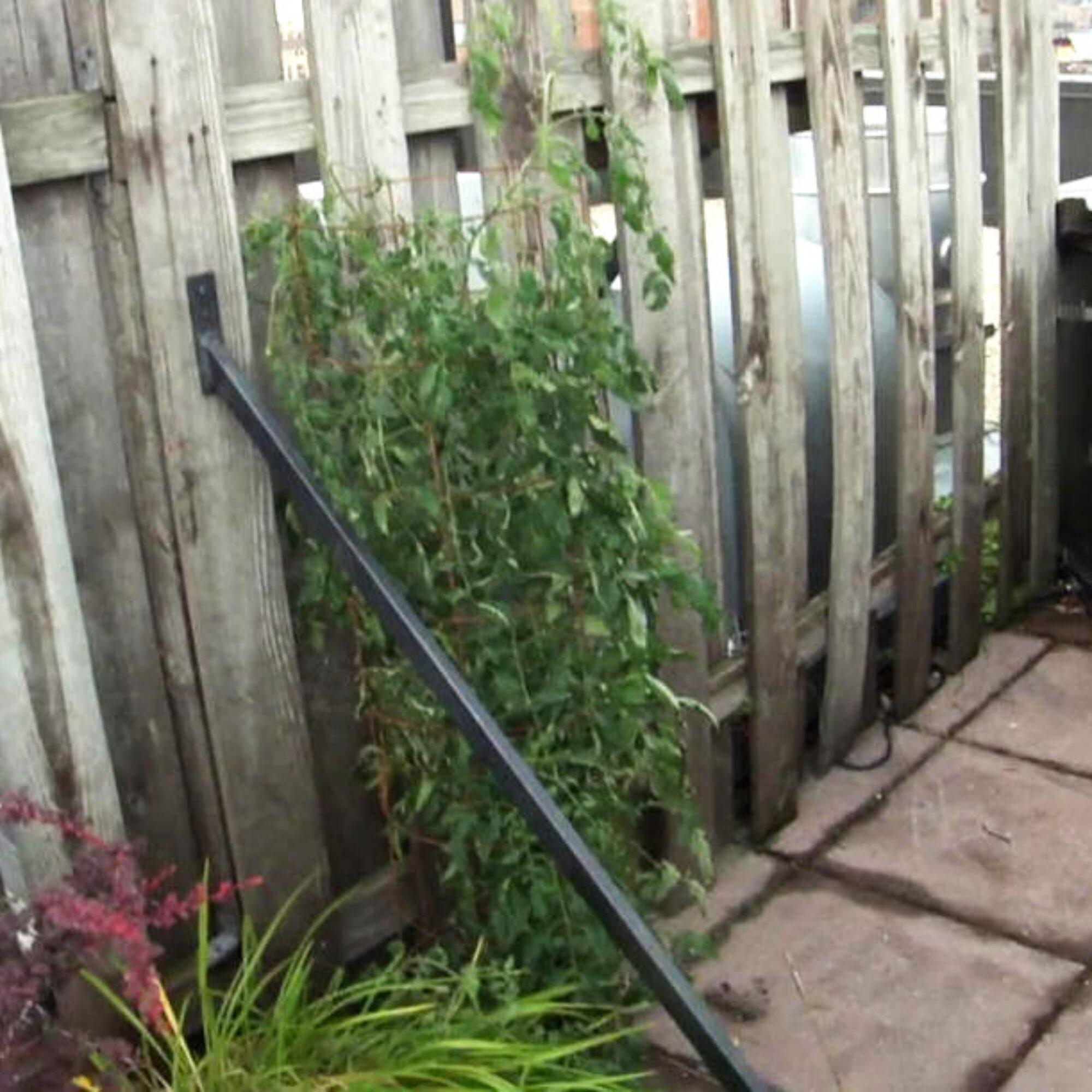
Following rowing on my roof, since my tomato plants weren't pollinating in my bee- and bug-free apartment, I put them on my roof. Since I avoid taking the elevator, watering them means walking up 11 flights every day until tomatoes form or the season ends. I share some of the story. Sorry for the sound but I wore a mask and was behind the camera. https://youtu.be/_Y9-4t1mwkA Here are the plants Here they are in context:

0 Comments
I used to think I lived in the best time and place for food
Do American Restaurants Only Serve Comfort Food?

I used to think I lived in the best time and place for food

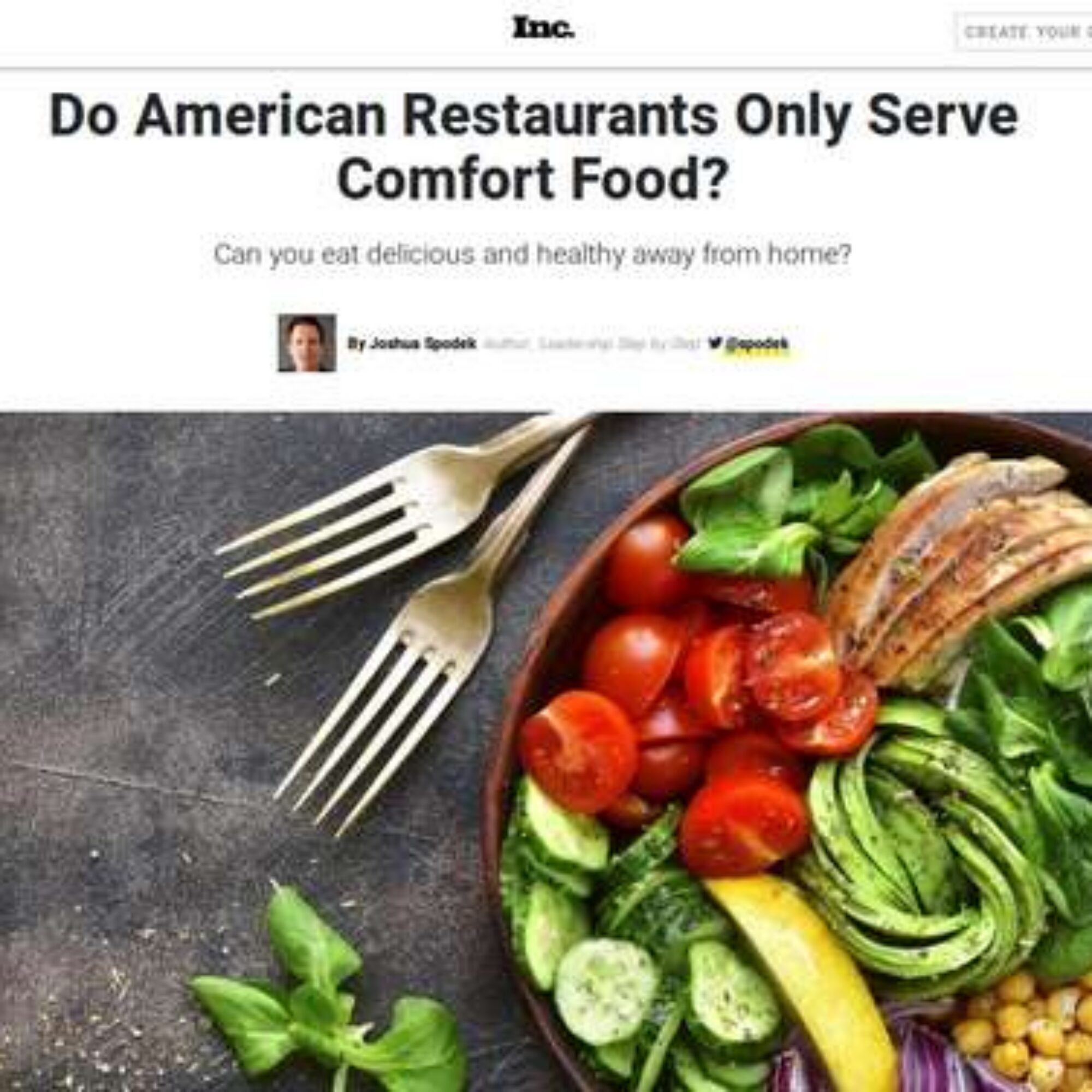
Living in Manhattan, I used to think I had access to some of the best tasting food in the world and since a long time, maybe forever. With all the restaurants, chefs, and cuisines, I figured their competition and education must drive them to ever improving quality. The longer I cook at home and shop at farmers markets, the more I find restaurants don't compete on quality of ingredients. What they serve---more doof than food, if they even serve food---derives its main sensory pleasure from salt, sugar, fat, and convenience. They don't showcase the vegetables. On the contrary, they hide them under salty, sweet, or oily sauces. Do American Restaurants Only Serve Comfort Food? The more I buy and cook with fresh ingredients, the more…

2 Comments

The rare taste of blood

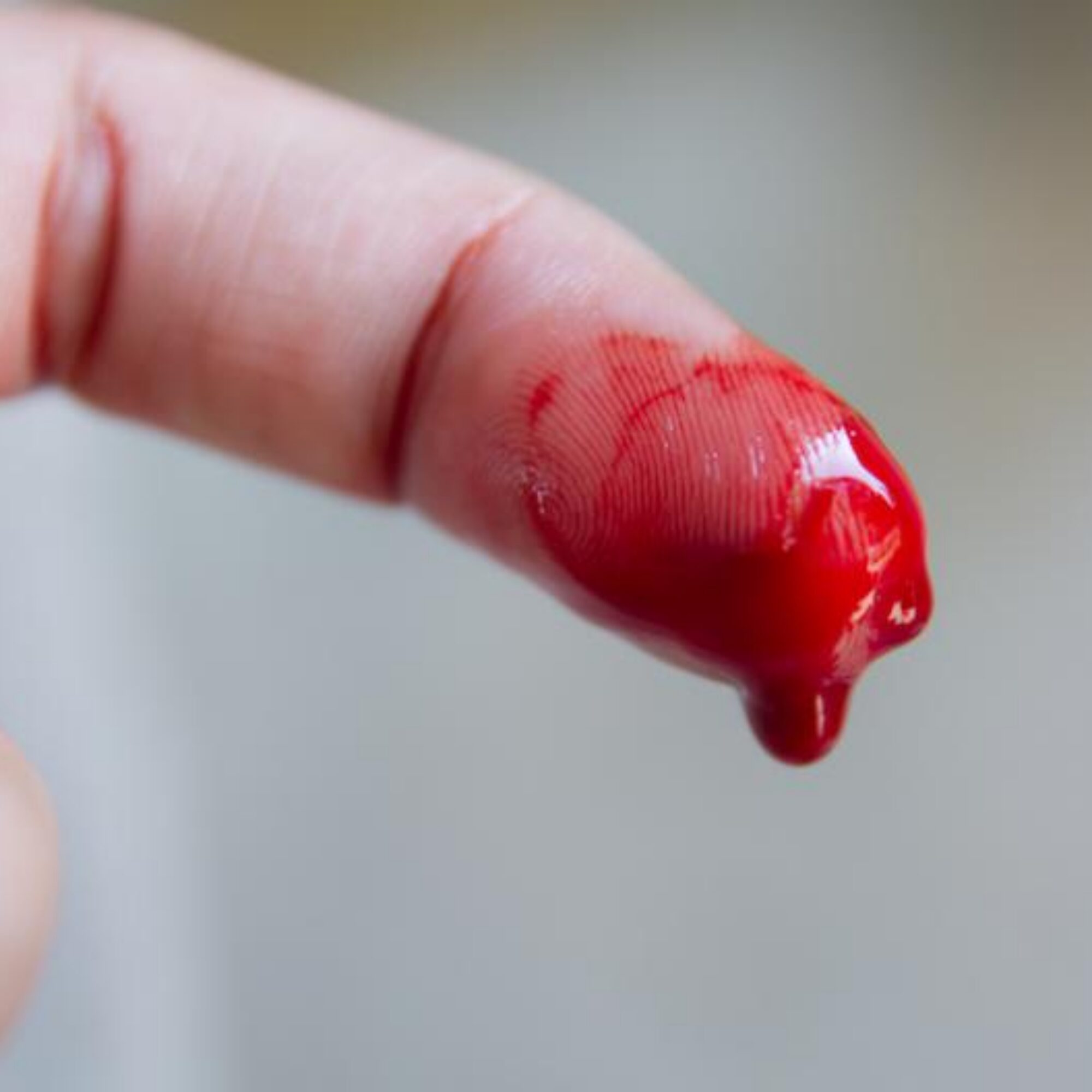
I hope I didn't make too morbid of a title. I cut my finger the other day chopping an apple. My finger started bleeding like in the picture but my pinky finger. I think it's instinctual, but I licked the cut. Being instinctual make sense since research shows saliva helps blood congeal. It was one of my rare (no pun intended) times since stopping eating meat in 1990 to taste blood. Kind of salty. Not that much thicker than water. I don't see the draw of eating meat. I'll stick with not eating it. I used the occasion at last to buy a knife sharpener, as usual used off Craig's List. I'd meant to get one for a while so was glad for the excuse.…

0 Comments

Polluting students’ bodies: did NYU go back on its word?

NYU announced a year and a half ago: "NYU to Halt Spending on Plastic Bottles by 2020", stating The new policy, one of several sustainability initiatives announced today, is expected to reduce waste by over 330,000 plastic water bottles per year.As part of an institution-wide drive toward creating a more sustainable campus, NYU President Andrew Hamilton today announced that NYU will no longer purchase single use plastic water bottles, effective January 1, 2020. The new policy is expected to reduce waste by over 330,000 plastic water bottles per year.NYU has reduced carbon emissions by 30% -- equivalent to some 59,000 metric tons of carbon annually -- since 2007. That reduction is the equivalent of planting all of Manhattan and all of Brooklyn in forest. NYU…

0 Comments

What we can learn from elk hunters

A friend saw elk for the first time after starting spending time in Idaho on a ranch. He's vegetarian. He met hunters. He was talking to a hunter once. They saw a herd of elk. The hunter asked, "how many elk do you see in that herd?" "About a hundred." "I'd guess about that many too. The land around here can support about eighty through the winter." "I guess that means about twenty won't make it?" "No, about twenty will make it." The hunter explained that elk don't triage. They don't survey the food, figure out how many it can support, and tell twenty they have to die so the rest can make it. They all eat what they feel like as long as they…

0 Comments

Everything I’ve eaten since returning home

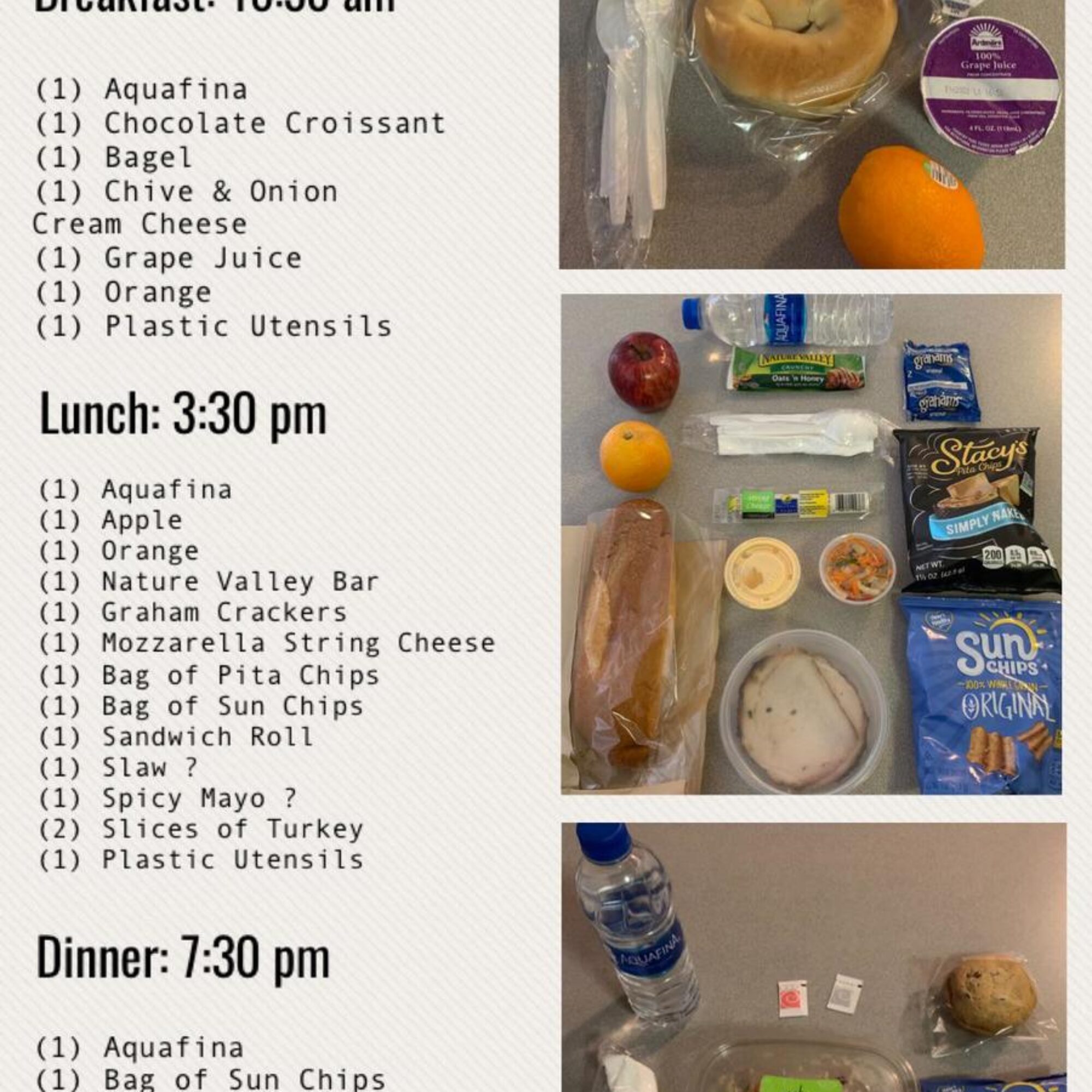
I was curious so decided to list all the foods I've eaten since returning home from staying with my mom and stepfather for the beginning of the pandemic. I think the following lists everything. Some people say my diet lacks variety since I talk about my famous no-packaging vegetable stews so much, but I don't think I've had the same one twice and they differ so much between them. Legumes Black beansKidney beansLentils: green, french, redChickpeasAdzukiMungSplit peaNavy beansLima beansSoy beansPintoString beansPeanutsSnap peas Root vegetables Sweet potatoes purple, white, orangeBeets orange, purple, stripedCarrotsRadishesTurnipsSquash butternut, kombucha Herbs and spices Onions purple, white, springGarlicTurmeric powderWhole pepper cornsSavoryCuminGinger powderBasil green, purpleSageParsleyAllspiceCardamomMintCinnamonOreganoCacaoMustard seedJalapeñoGhost pepper (bottled, years old)Fennel seedsScallionsVinegar (homemade from apples and raisins) Vegetables Zucchini green, yellow, funny-shapedEggplant purple, stripey,…

0 Comments

A million-dollar business idea in sustainability

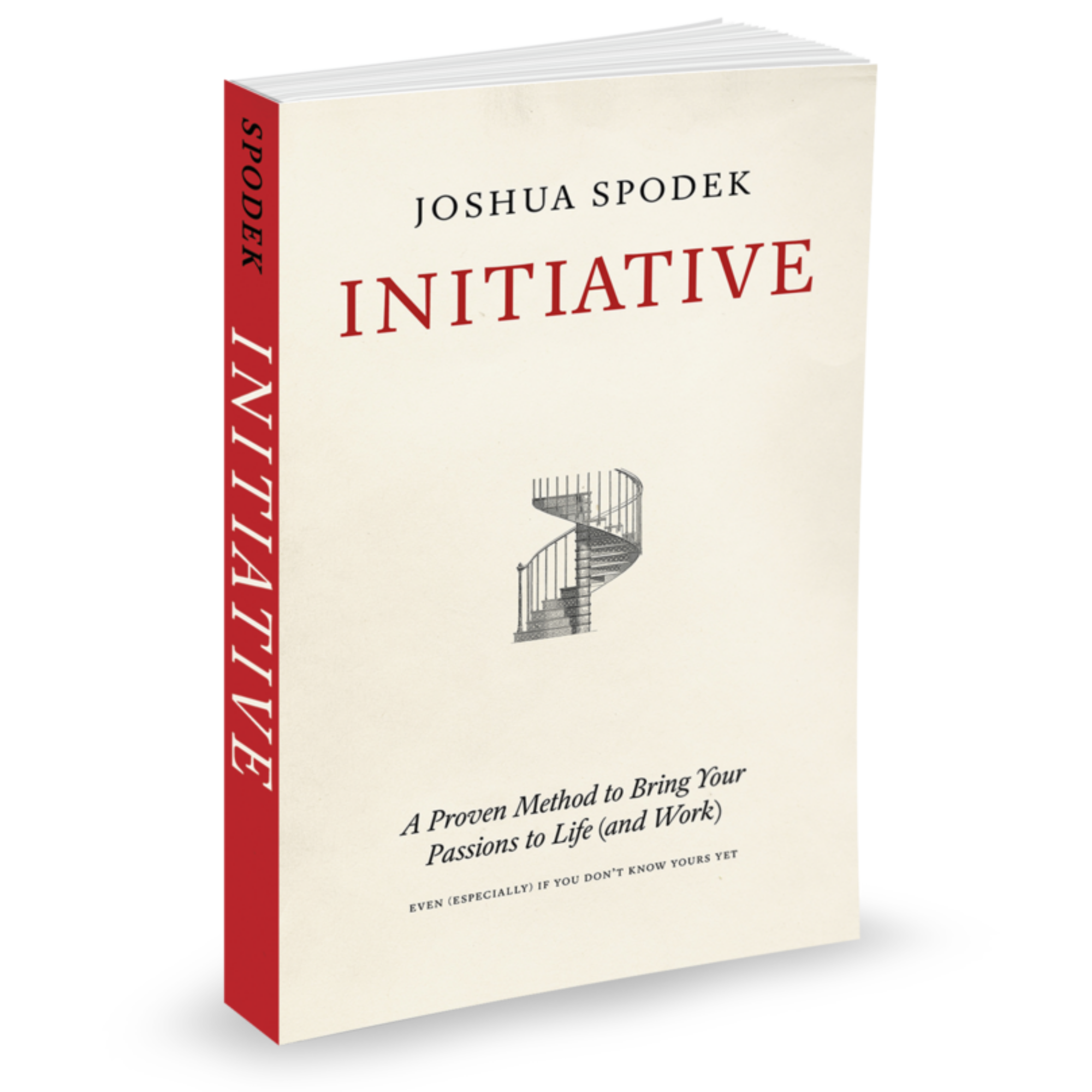
Context An attendee at my webinar on Initiative to Booth, the University of Chicago Business School, Eric Zoerb, followed up that he wanted to start a business on sustainability. Like many, he was looking for efficiency. Most of my life I considered efficiency the top strategy. It felt right. Nature doesn't react to feelings, though, so no amount of feeling it will work will make something work. If you make a polluting system more efficient, you will pollute more efficiently, which we've been doing since before the industrial revolution. Changing elements of a system rarely change the system. Efficiency is an important tactic under a strategy of reduction, but you need that strategy first, which means changing the system. I speak in more detail on…

0 Comments

The Packaged Food Challenge: See me with Joe De Sena on Spartan Up!

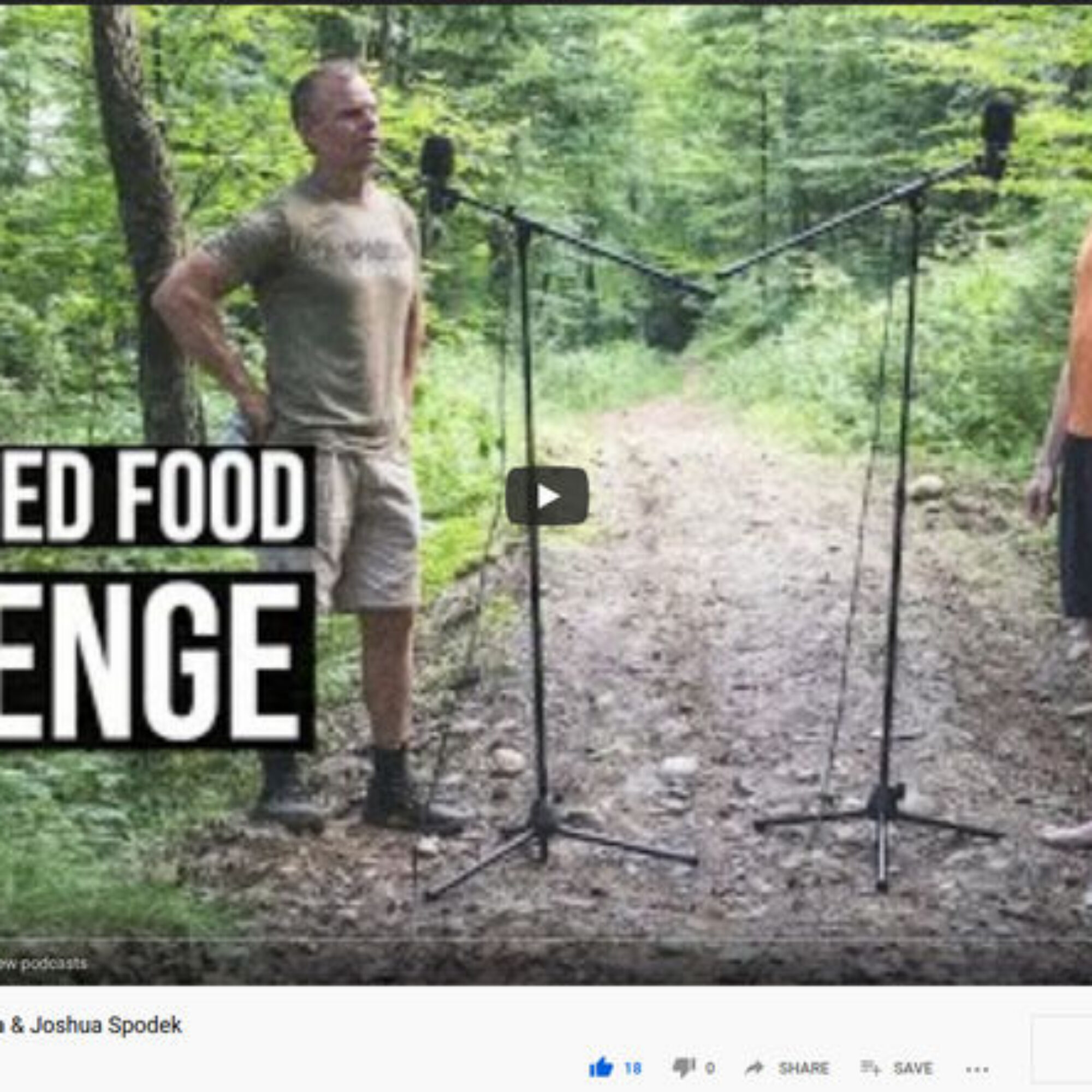
I've written and recorded about my wonderful and challenging experiences with the Spartan Race and its founder Joe De Sena. He hosted me on his podcast, Spartan Up! I've found him and the community inspirational. I found his reflections in the video below before and after our conversation thoughtful and yet more inspirational. Where many people see the work and discomfort in personal challenge and push back, Joe sees opportunity to learn about himself and live more by his values. He's trained himself to live this way for decades. The result: a supportive, friendly community, a successful business, fitness, and he looks pretty happy. https://youtu.be/hP5h9rpd6Jo Also, check out my thoughts after a weekend on Joe's farm: 360: Sparta could make historyMore tired than in years…

0 Comments

When facts influence, when they make people dig in.

People with causes often share facts to influence others. Sometimes the facts work, sometimes they annoy the other person, even when that person could use the fact. I figured out why, or at least one reason. When people feel powerless information makes them feel ashamed, frustrated, and the like. Since they feel they can't do anything, they see the information as highlighting the problem and makes them feel bad. They'll tend to want you to go away. They'll perceive you as misunderstanding them and therefore as having no useful reason to share. When they feel powerful, information motivates them. They'll tend to seek out more information the more they want to feel motivated. The patterns seems to apply to many areas in life---fitness, education, starting…

0 Comments

What “recyclable,” “recycled,” and “compostable” mean

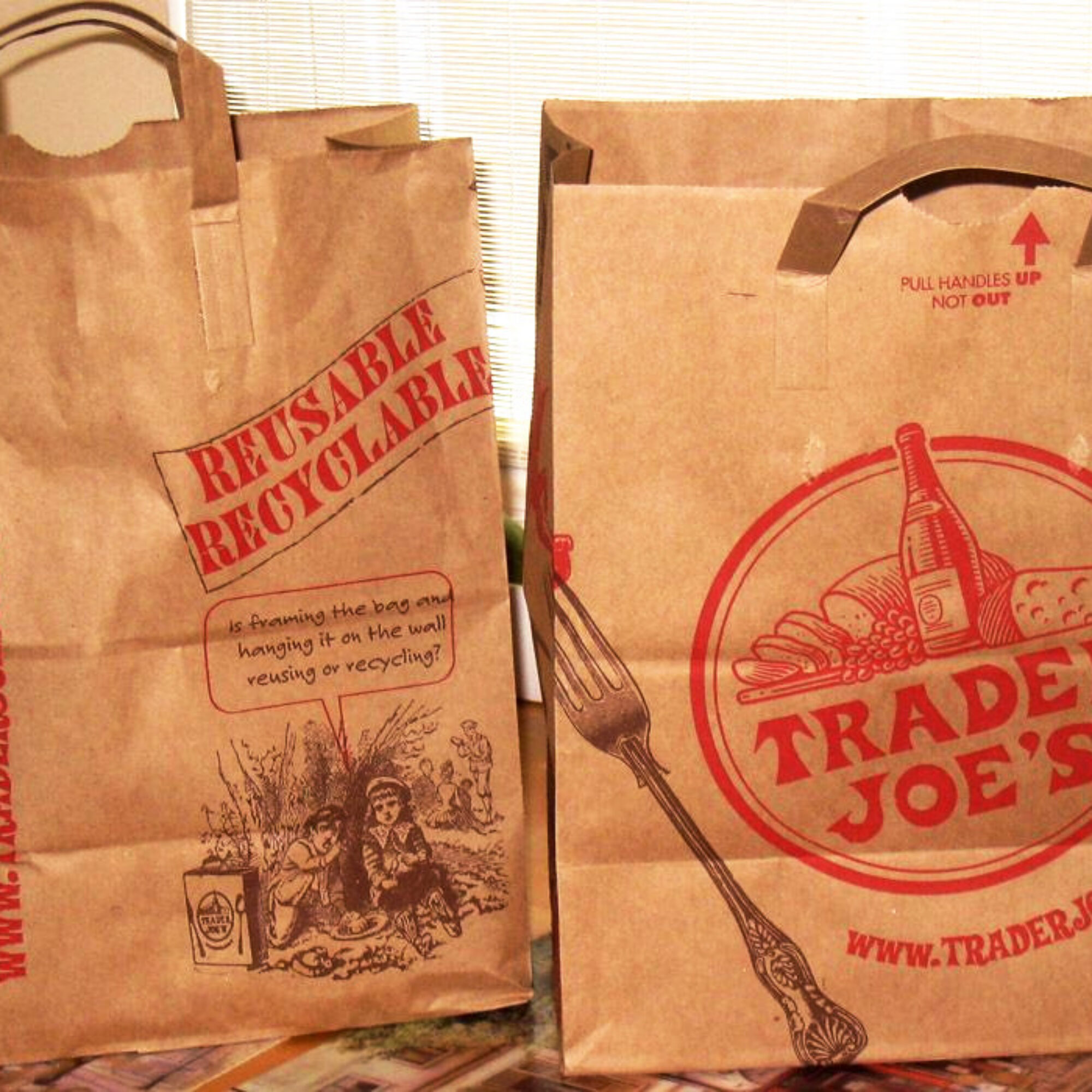
Most of the pollution in a product happens upstream of what you buy or use. Anything single-use wastes resources before you handle it. Recycling barely reduces a thing's waste relative to not using it. Likewise, once something is made, especially plastic, it will exist for a long time. Future generations will have to deal with it. The more you reduce, the more you realize you don't need things. Why do places label their unnecessary packaging recyclable and reusable so prominently? Because people will buy. You think Trader Joe's hadn't market researched labeling their bags like below? Trader Joe's business model is based on packaging things. Operationally, it makes them money by reducing the need for people. From a human perspective, the business is designed to…

0 Comments

What “net zero” and “closed loop” mean.

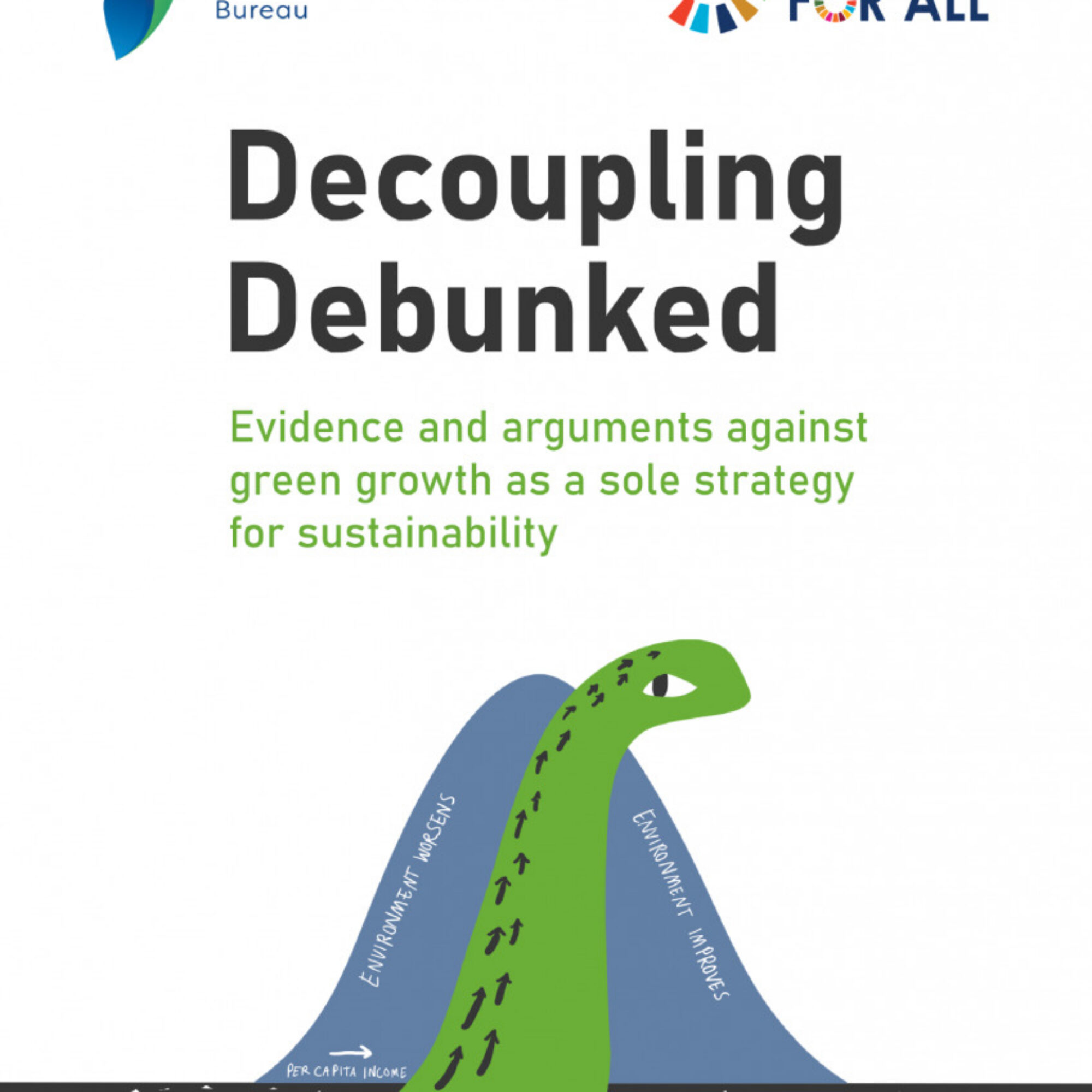
When I see or hear the terms "net zero" and "closed loop" the context is nearly always a polluting company or person trying to justify pollution as not pollution. The terms describe creative accounting applied to pollution, where instead of people losing money, our environment loses the ability to sustain life and human society. I've linked to Decoupling Debunked before. It describes the terms' deception and I recommend it. In the meantime, buy less stuff. Wikipedia's description of creative accounting describes "net zero" and "closed loop" in spirit. You need to change only a few words: Creative accounting is a euphemism referring to accounting practices that may follow the letter of the rules of standard accounting practices, but deviate from the spirit of those rules…

0 Comments

End of content

No more pages to load