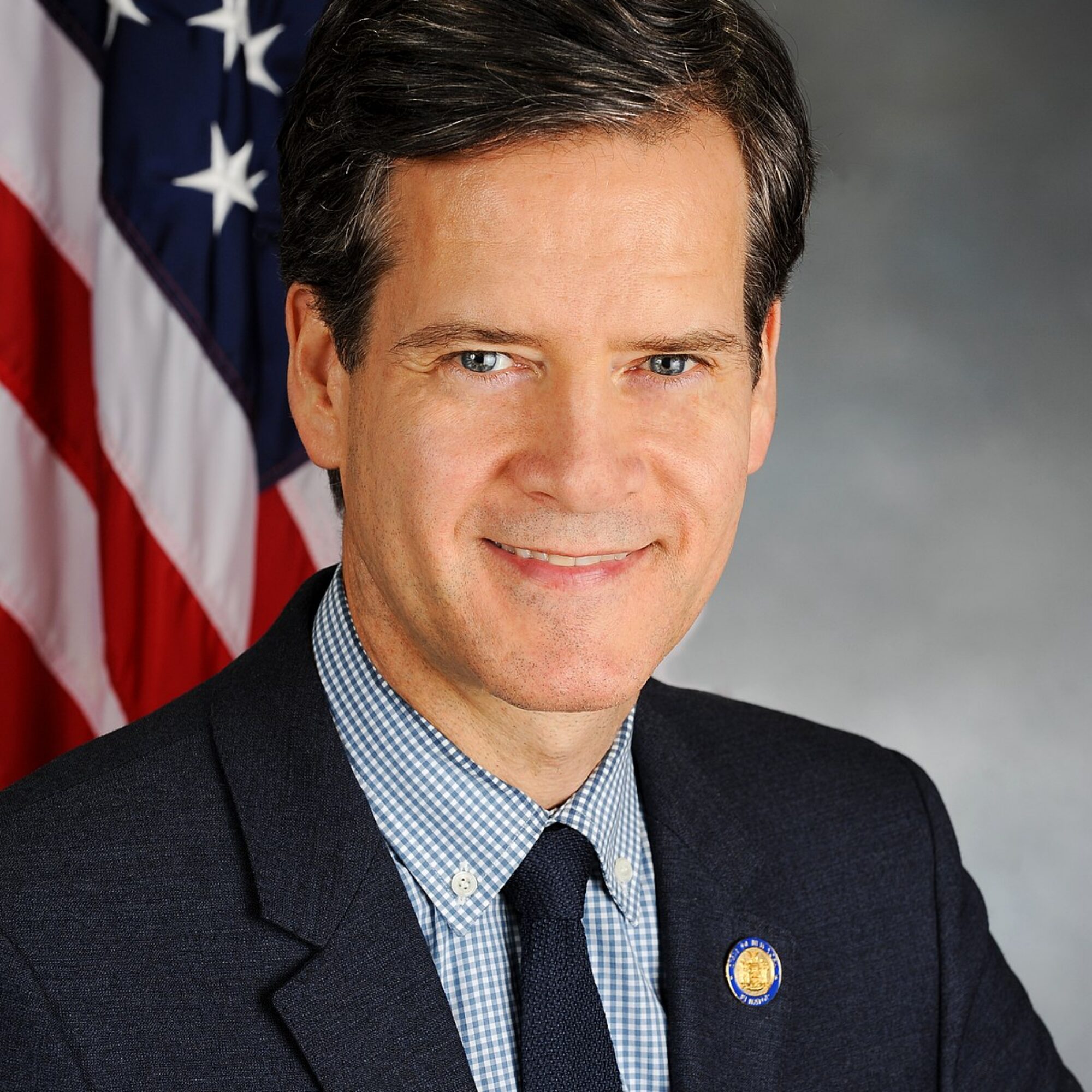
463: Brad Hoylman, part 1: From New York Senator to Manhattan Borough President

Brad isn't just a longtime elected legislator, he's also a neighbor who represents me. Most campaigning politicians speak in talking points. Maybe for being neighbors, maybe just out of his personality, I heard him opening up and sharing about the man behind the campaign. We spoke about what motivates him, his vision, New York City, Greenwich Village, and government leadership. He spoke thoughtfully, with reflection on political topics but also other personal ones, like the environment, drugs, and drug dealers and use in our "back yard,"---that is, Washington Square Park. I would have expected a politician to dodge some of those questions. Here is Brad Hoylman, the person behind the campaign. I hope our conversation helps lead to New York City legislating decreasing the supply…
0 Comments

462: Bill Ryerson, part 3: The biggest impact you can make

Heartwarming is the best word to describe Bill's experience that I can think of. In today's episode, Bill and I start by talking about the incomparably larger impact of having fewer kids, especially in a country that pollutes as heavily as the U.S. Then we talked about Bill exploring his snowy yard with his grandson. The opportunity to do so was there for years, but he didn't act. You'll hear how he loved it. What natural experience might be sitting waiting for you to discover and enjoy?

0 Comments

Exercise: Imagine a Day Without Doof

Here's an exercise, just to imagine something: Imagine 24 hours without ingesting any doof---that is, without putting anything in your mouth whose primary pleasure comes from added salt, added sugar, added fat, or convenience. Nothing packaged. You know you can do it. That is, you know you possess the ability to do it. You know humans lived that way for almost all of human history. I'm not saying doof is good, bad, right, or wrong. I'm not asking where it came from or how green or sustainable it is. I'm not even suggesting you try avoiding doof for 24 hours, just to think about it. But not just a cursory, "hmm… sounds hard. I could probably do it but wouldn't want to." Seriously reflect on…

0 Comments

461: 24 Hours With No Electrical Power (After)

My notes I read from: What I did Kathryn Garcia in Washington Square ParkFarmers market (compost, oregano)Ride to BrooklynGrain de Sail sail boatVisit with friendCalisthenics by candlelightWake up, no clockThink, reflect, calmMeet to pick up garbage Notes on no power 29 to 30 hours since recording last episode, 26 with circuit breaker for apartment disconnectedLess of a big deal than I expected, though the fridge already being off probably lessened effectTemptationTimeDarknessLightOutdoorsEatingCalm, relaxedMy values

0 Comments

460: 24 Hours With No Electrical Power (Before)

Here are the notes I read from for this post: I posted the other day an exercise to think about going twenty-four hours without using electrical power. To clarify, that exercise was to think about it. I don't think many people would do it. Even orthodox Jews leave their refrigerators plugged in, as well as clocks. The meters to their homes would register power being used. I'm talking about the meter reading zero. They often leave lights on. Personal choices may mean some don't use any power. I don't know Amish, who might do it, or people in societies without power. I spoke to someone who lives where her power drops for days at a time, but she says everyone gets in their cars, which…

0 Comments

459: Jonathan Hardesty, part 3: How to Continue a Sustainability Podcast

Jonathan and I have a good rapport. We joke around. I love his expressiveness as an artist. I think he values stewardship more than he's behaved so far in life, so I hear him enjoying aligning his behavior with his values. In this episode we review his leading his kids and wife in The Spodek Method from last time. You'll hear touching family interactions. The I teach the second interaction with guests---how to lead  that conversation.

0 Comments

Exercise: Imagine a Day Without Using Electric Power

Here's an exercise, just to imagine something: Imagine 24 hours without using any electrical power. You know you can do it. That is, you know you possess the ability to do it. You know humans lived that way for almost all of human history. I'm not saying electrical power is good, bad, right, or wrong. I'm not asking where it came from or how green or sustainable it is. I'm not even suggesting you try avoiding electrical power for 24 hours, just to think about it. But not just a cursory, "hmm... sounds hard. I could probably do it but wouldn't want to." Seriously reflect on the prospect. What would happen? What would you do more of? Less of? What do you expect to find…

0 Comments

458: The Spodek Method: How to Lead Someone to Act Joyfully Sustainably

I've taught a half-dozen people the technique I use in this podcast---the hosts of the other branches of the This Sustainable Life podcast. They started calling it The Spodek Method, so now I do too. It's enabled me to reach amazing people, many of global renown, who enjoy the experience. It doesn't alone solve all the world's problems, but it works. The Spodek Method leads a person to share and act on environmental values. You can do it too with communities you'd like to join. You would contribute to a mission of changing culture from seeing stewardship and sustainability as a burden, chore, deprivation, and sacrifice to wanting to do it based on experience, expecting joy, fun, freedom, community, connecting, meaning and value.  Why Learn…

0 Comments

457: Jon Levy, part 1: The Art and Science of Cultivating Influence

Jon is famous for bringing people together and creating community, see the New York Times article on him below. He invited me to a few of his events before the pandemic and they lived up to the reputation. His latest book, You're Invited: The Art and Science of Cultivating Influence comes out the day I'm posting this conversation, May 11. We talk about how the book came to be. We're both geeky and prone to talking theory, but neither of us would stop there. He shares how he put theory into practice. At first he makes it sound simple, but he also talks about the challenges and struggles he went through and how far back he had to start from. For our common interests in…

0 Comments

Envisioning a more open world: an exercise

Here's an exercise I've enjoyed playing around with. I've written in other posts that the sustainable population of the Earth is 3.7 billion. I've read other reports that it's more like 2 billion. The number depends on the standard of living we choose, how much we wreck the Earth on the way to sustainability (it could go to zero), and other factors. I don't know why people want a bigger population. Everyone knows it has to level off at some number. Why choose 10 billion over 2 billion? By 2 billion we had Einstein and Mozart. By a few hundred million we had Buddha and Jesus. I'd love to live in a world with 2 billion people in it. The exercise: Imagine a world with…

0 Comments

The solution to intermittency in solar and wind power

Everyone knows we can't use fossil fuels sustainably. The future means living without them. But the sun doesn't always shine and the wind doesn't always blow. Fusion may never work. Fission has huge problems that its proponents downplay but never go away. I recommend Caltech-trained UCSD physics professor and podcast guest Tom Murphy's assessment in his recent book that does the math on nuclear's challenges. So what do we do if we don't live near a place geothermal or hydroelectric work? The solution is obvious. I'm not saying it's easy, though I will say if you do it the way I did, you'll love the results. Change your lifestyle. Reduce your demand overall and increase your resilience. Remember, most humans lived without electricity or power…

0 Comments
Pollution:Earth :: Obesity:Body
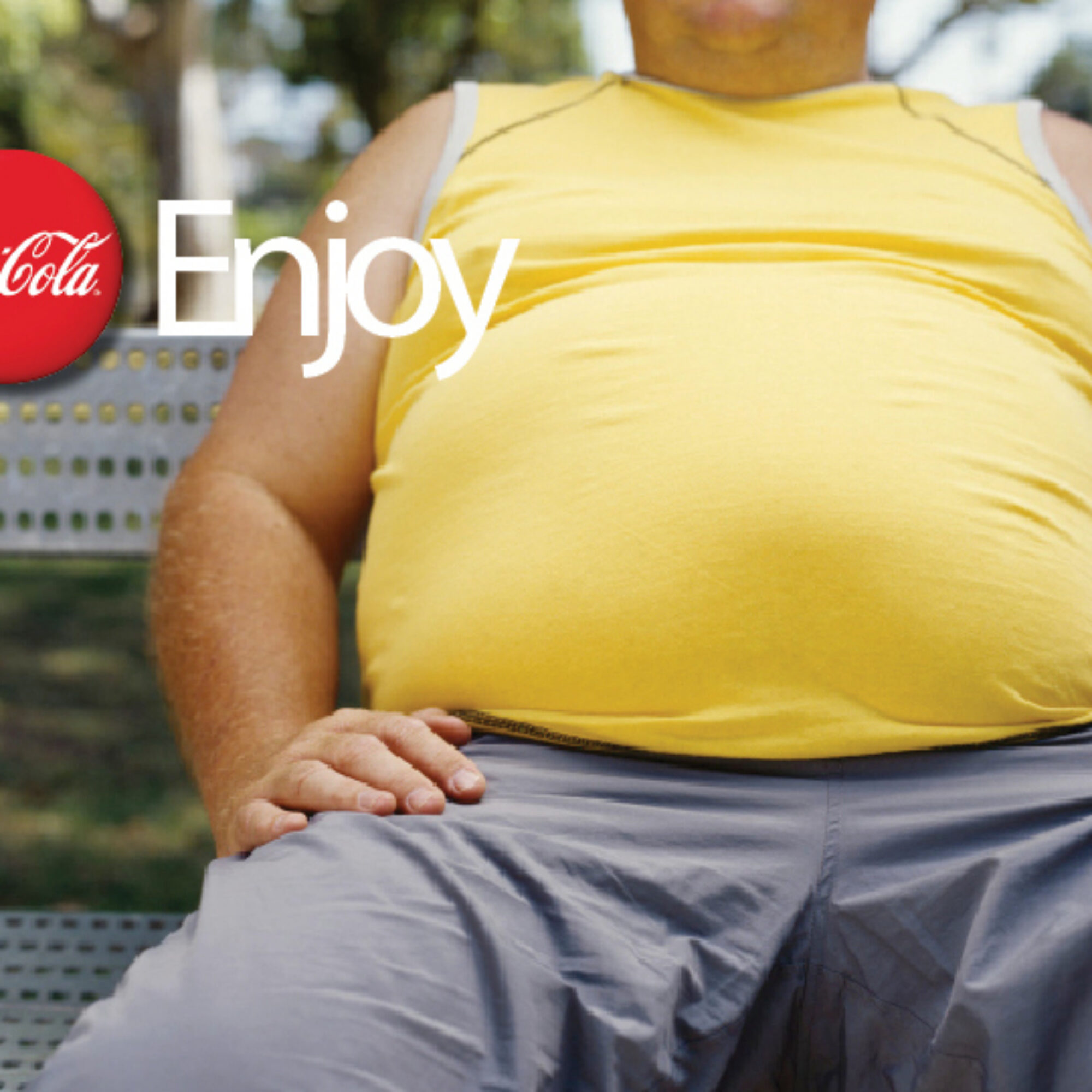
Enjoy Coca-cola!

Pollution:Earth :: Obesity:Body

This headline, Goodwill Doesn't Want Your Broken Toaster, reminding me of my recent post that lines to dump worthless junk on Goodwill are often longer than the lines to buy it prompted me to post an idea I've had for a long time but for some reason haven't posted. Pollution on the Earth is obesity on our bodies, manifesting our values and behaviors in different places. This: is this: The pileup at Goodwill is fatty liver disease. Addictions to opioids are like diabetes, where we've lost our sense of value in material things so we seek reward elsewhere. What Value in the Analogy? We aren't facing many problems in the world today. It may look like many, between climate, plastic, mercury, deforestation, political polarization, and…

0 Comments

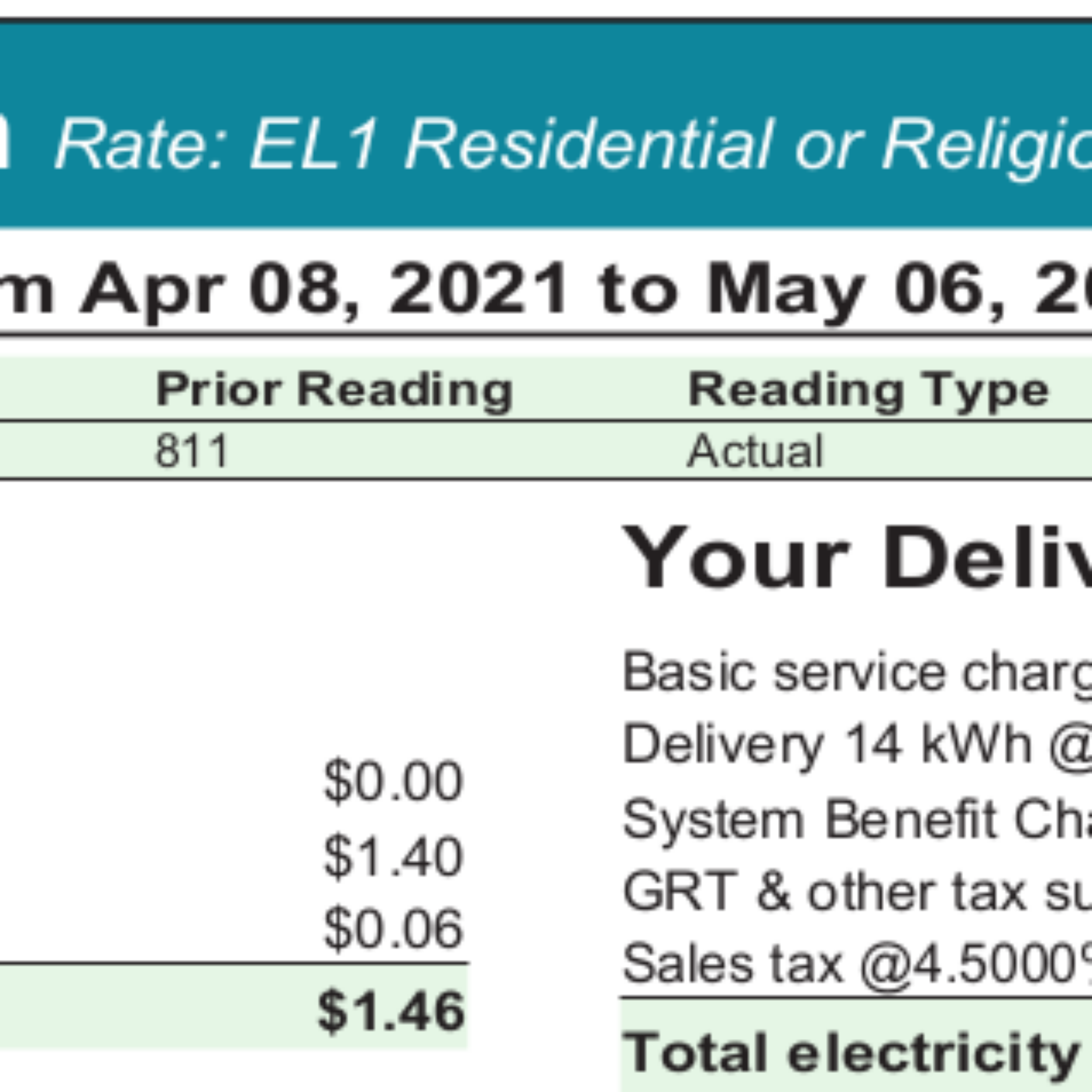
How to take two years to fill a load of trash or get a $1.70 electric bill

People ask how to use only $1.70 for a month of electrical use and take two years to fill a load of trash. I tell them I'll give them two answers. The first is the one they think they want, but they always respond with something like, "Oh, yeah, well I can see that would work for you, but I'm different. It wouldn't work for me." That answer is to tell them specifics like cooking from fresh vegetables and fruit. No one ever acts on what I do so I feel this answer wastes my breath. It seems to reinforce people doing what they used to. The second is like how to play Beethoven. You don't point at the music score and say, "this note…

0 Comments

456: Jonathan Hardesty, part 2: How to Start a Sustainability Podcast

This episode is really two. Remember that he started art late in life, so the first two-thirds talks about art. Also his experience with his kids and family picking up trash. You'll enjoy hearing his and his family's joy doing it. I imagine you'll also feel sober about his unpleasant surprise at how much trash there was to pick up. I hope you'll feel inspired to pick up trash too. I think you'll find yourself surprised at how much more trash you'll find when you pick it up than you expect from just looking. The second part, I walk him through how to lead someone in my technique for this podcast. He's considering starting a branch in the This Sustainable Life family, specifically to reach…

0 Comments

I Saw A Guy Eating Ice Cream With Zero Joy

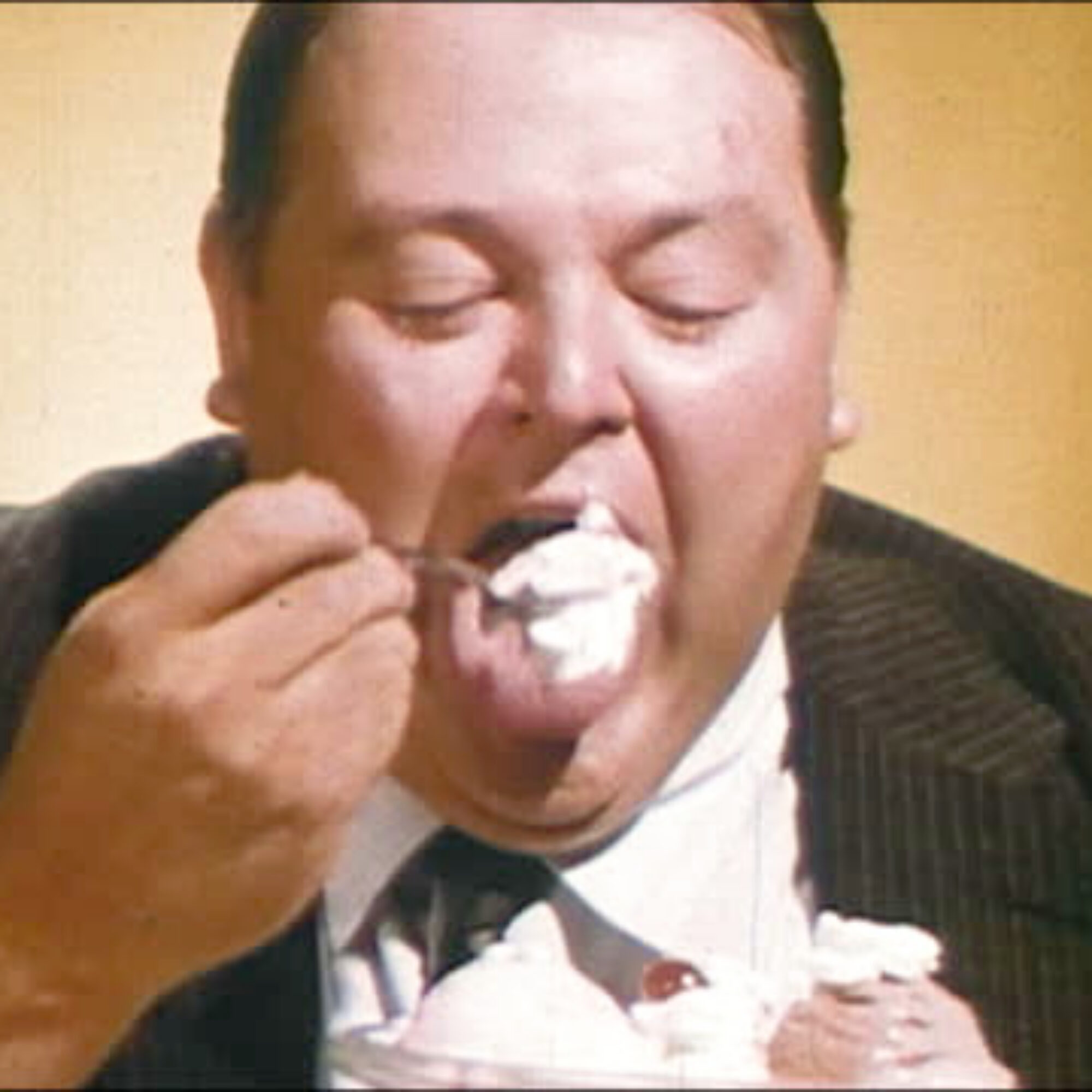
Over the weekend I went to Washington Square Park to read, so I was there for a couple hours. It was a beautiful, sunny day. Bright and just hot enough that you'd want to avoid the sun but not so hot that you couldn't stand it. A guy sat on a bench diagonally across from me with a cup of ice cream from a nearby store. Besides him, I would guess at least three-quarters of the people there brought something disposable. Litter blew everywhere in the breeze, but everyone's collective behavior isn't my point. He stuck the plastic disposable spoon into the ice cream and scooped out all the spoon could hold---a dollop close to the size of a ping pong ball. He put the…

0 Comments

At a loss for words at people playing with their fat

I'm no Shakespeare, but I think I express myself well with words. Despite everyone telling me to use it more, I don't use social media that much. Someone shared the video below. I tried to describe it to someone. I said, "These two women were showing off their fat and it looked like. . ." And I found myself unable to find anything else in nature or my experience that their fat falling on the table resembled. As far as I can tell, they seem happy. If they're happy and posting videos of their happiness, I support them sharing what they choose to share. I fear I'm losing touch with American culture, though. @chubbyrosehips ##stitch with @jess.subject22 lmfao XD I'm down 70 lbs and 1…

0 Comments

What was it like to watch Mandela, Gandhi, and Dr. King and not help?

Imagine yourself back in the 1950s and 60s during the civil rights movement. People traveled across the country to sit at lunch counters with people of different skin colors, walk for a year to avoid segregated buses, and so on. Most people didn't do anything. They must have talked about it since it made the news, but most people watched from the outside without acting. Not everyone can do anything. Different people value things differently. Many people did important unrelated things. But many people knew, had time and resources to act, but didn't. I wonder how it feels to look back at an important time and know you didn't participate. What about not acting today? I wonder how people who still haven't changed their behavior…

0 Comments

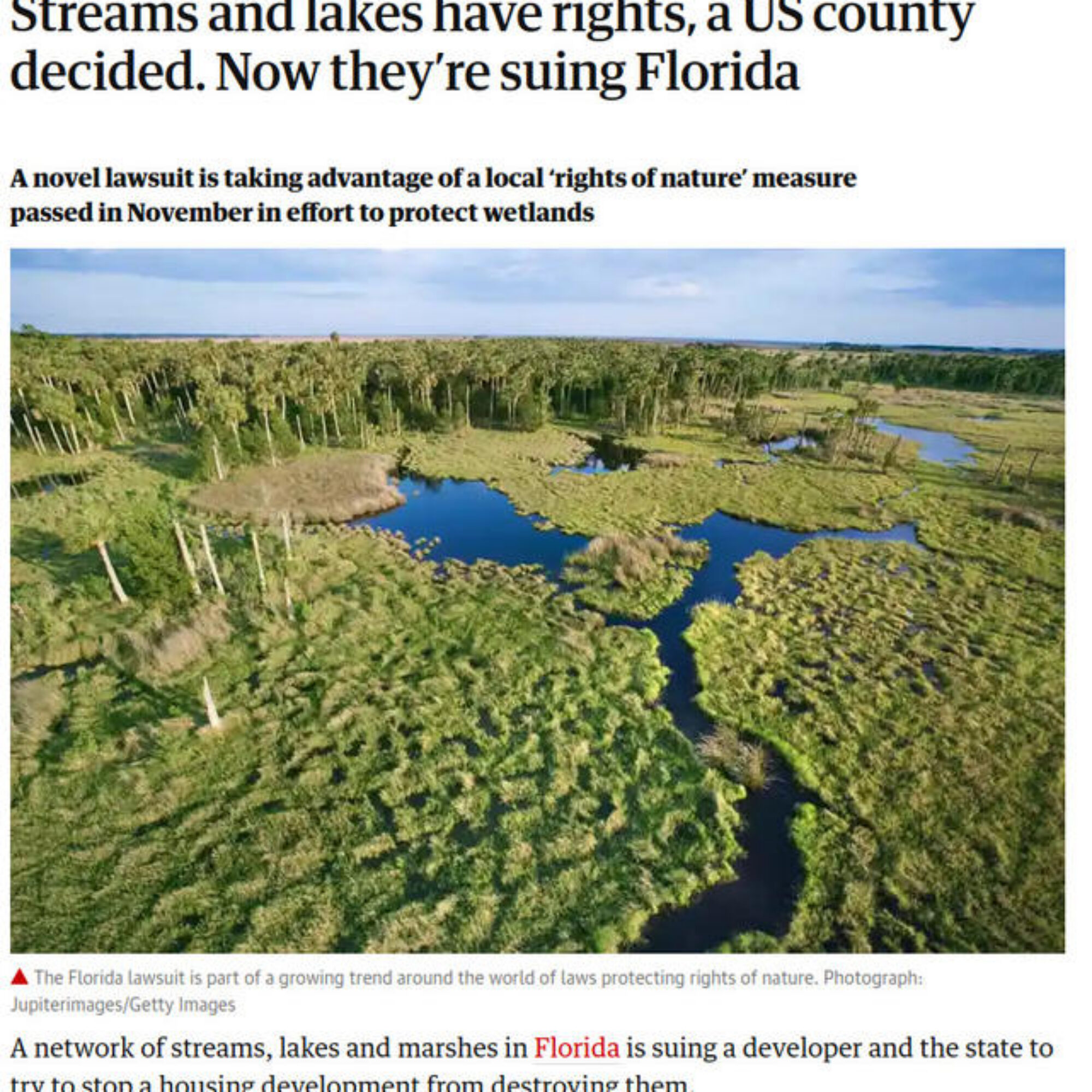
Should streams have rights? Should corporations?

Anyone who knows me knows how much I love spending time in nature and want to conserve it so it can regenerate. Still, even I considered the idea of giving rights to animals and nature weird and possibly counter productive. This article's headline made me cringe at first, Streams and lakes have rights, a US county decided. Now they're suing Florida: How can streams have rights? How can they sue? If we give them rights, what else will we give rights to? How do we assign interest to brainless things? I learned about this movement years ago. The article above linked to a recent history of it in another article, It's only natural: the push to give rivers, mountains and forests legal rights. What about…

0 Comments

We Can’t Change the Past But We Can Choose Our Values

I uttered these words in regular conversation with a friend about living in a polluted world. I didn't ask to be born into so polluted a world, nor a culture so ignorant about what's happening and what they can do about it. I'd rather people took more responsibility and acted in stewardship more. But the world is polluted and nearly everyone is polluting it more. Most of my life, I didn't know or care much about my effect on others through how much I polluted the world. Do I give up? Do I accept the direction we're going? No, We Can't Change the Past But We Can Choose Our Values. I've changed my values, or rather resurfaced the values I've always had but allowed comfort,…

0 Comments

455: J. B. MacKinnon, part 2: What happens when you pay for quality?

Our world values cheap and disposable---in food and doof packaging, furniture, cars, and near the top of the list, clothes, especially fast fashion. The world is paying for it in the sense of overfilled landfills, plastic disrupting endocrine systems of animals including us, oil wells everywhere, garbage patches in the ocean, and so on. I see us paying the price. We're always craving. Stuff always breaks. We feel compelled to buy new phones when the old ones should have kept working. We're obese from snacking. We're twisted up inside polluting while trying to convince ourselves we're not. J. B. MacKinnon's new book The Day the World Stops Shopping examines this part of our culture and for this podcast he committed to go against that trend…

0 Comments

Would you rather eat as much as you want or have someone cook for you and serve you?

Do you have the same issue: I almost can't stop eating until I'm full. My only way to keep from putting on fat is to eat only fresh vegetables, fruit, whole grains, nuts, and food, not doof. Luckily it's delicious and affordable. I don't remember eating at any restaurants that served only food, not doof. They seem to add salt, sugar, and fat to everything, even expensive places with reputations for healthy food. I've learned to dislike eating out or packaged products partly because they cost more, don't taste as good, and take more time, but mainly because I can't eat as much of them. I would have to stop if I could. The choice between preparing and eating at home versus eating out or…

2 Comments

454: Richard Rothstein: Racial segregation in generations of U.S. law

Today's guest, Richard Rothstein, is one of the experts on how the law has clearly and explicitly kept freedom, prosperity, longevity, opportunity, and more from people based on their skin color. This is no hard-to-believe conspiracy, tenuous claim, or cancel culture labeling. He shows laws in black and white the law says you can't rent to blacks. Across the country in many spheres of life for generations. No secret. Plus he traces the repercussions that occur when one group can do things another can't and how they ripple throughout society. Is his material valuable? Here's one measure. I'm happy that my book Leadership Step by Step has over 100 reviews, averaging close to five stars. I know a lot of authors, editors, and book marketers.…

0 Comments

More reasons to act now, not wait for governments or corporations

"But what I do doesn't matter" "Only governments and corporations can make a difference." These excuses are the top Addictions Speaking people use to lie to themselves to abdicate responsibility for acting on their environmental values. Well, note this timeline: 1955: Private citizens organize Montgomery Bus Boycott1956: Court rules segregated buses unconstitutional and bus company changes1964: Civil Rights Act of 1964 Does anybody think the Civil Rights Act of 1964 would have happened without individual citizens acting well beyond just voting? Do you think India could have attained independence and then had a Great Salt March? I could have picked any social movement or cultural change. Systemic change begins with personal transformation, the route to action. If you believe the two statements at the top,…

0 Comments

453: Bill Ryerson, part 2: How can we talk about population? What can we do?

What's the Earth's carrying capacity? If we're above it and we choose to lower it, what happens to the economy? I've wondered these questions. I know the mainstream view gets it wrong because humans have lived sustainably. Their models say it's impossible, so they're wrong. They must be missing something, at least. Rapid population growth leads to poverty. It might be a party on the way up, but it's unsustainable. We can celebrate lowering population. Other cultures have. We can too. Bill starts by talking about how we can tell we're over the Earth's capacity, the dangers of relying on nonrenewable resources like oil. How do we achieve a soft landing if things collapse? Bill works on these things and speaks with experience and thoughtfulness,…

0 Comments

Each month is 1%

You may remember a couple years ago the headlines that we have about ten years to bring our greenhouse emissions to zero or we'd pass irreversible milestones. If we start thawing permafrost that releases methane, we won't be able to stop it from releasing huge amounts that will augment the warming that caused its release. Many people misinterpret the prediction to say that we'll all die then. We won't all die at once. We'll only have locked in that the Earth's capacity to sustain life will irreversibly decrease. Since that capacity is around two billion and we're using fossil fuels to approach four times that amount, our population will collapse to well below two billion. But I'm posting this time about time, not collapse. If…

0 Comments

End of content

No more pages to load