Art


The value of art education

Engineering, technical, and artistic types often put down the arts and art education as not practical. In an engineering, technical, entrepreneurial community I participate in sometimes, the question arose if anyone had an art degree. Though I don't, for the double reason that I learned a lot during my foray into creating and showing art, and basing my teaching in part on the structure of art instruction, I wrote the following, which I consider relevant to teaching the subjects I do: I didn't go to art school, but since my first invention was a new medium with new modes of expression that no one else understood like I did, I couldn't help myself making art with it despite my PhD being in physics. I had…

0 Comments

This Start-Up Is Revolutionizing Museums: Museum Hack will change how you visit them forever.

My Inc.com post today, "This Start-Up Is Revolutionizing Museums," begins This Start-Up Is Revolutionizing Museums Museum Hack will change how you visit them forever. Did you grow up bored with museums too? Grown-ups talked about them like they were an adventure but they made them feel like history class for old people. Times have changed! An entrepreneur and his team have transformed museums into exciting, vigorous, personalized adventures where you meet people, run around the museum, and, while you weren't paying attention, still learn about art. Their company is called Museum Hack. Its founder, Nick Gray, who didn't like museums growing up either, created it out of a hobby. He gave irreverent, informative, fun, free tours to his friends describing his take on New York…

0 Comments

Leonardo DiCaprio, Martin Scorsese, and Trent Reznor’s Important but Flawed Statement

My Inc.com article today, "Leonardo DiCaprio, Martin Scorsese, and Trent Reznor's Important but Flawed Statement," began Leonardo DiCaprio, Martin Scorsese, and Trent Reznor's Important but Flawed Statement Before the Flood brings global warming to your living room and Hollywood. But does it lead to changing the behavior that causes it? Leonardo Di Caprio played Romeo, the lead in Titanic, then the highest grossing film ever, and won an Oscar fighting a bear. Martin Scorsese is the most Oscar-nominated director alive, having revolutionized film making and directing over half a century. Their movies earned 31 Oscar nominations and grossed $1.3 billion. Trent Reznor has won an Oscar and Grammy for his scores. Time named him one of the world's most influential people. Fisher Stevens, with a…

0 Comments

Mastery in writing, from Robert Caro

I started to browse The Power Broker, Robert Caro's colossal work on city political power and Robert Moses, and couldn't put it down. The book is huge. It used to be a fixture in New York City apartments. You couldn't miss its big bold lettering on the big white spine on people's book shelves. I don't know how many people started or finished it, but I loved reading it. Caro has won every award he can for his craft. Wikipedia establishes his mastery: Caro wrote The Power Broker (1974), a biography of New York urban planner Robert Moses, which was chosen by the Modern Library as one of the hundred greatest nonfiction books of the twentieth century. He has since written four of a planned…

0 Comments

More great opening lines to books

Following up my first post on great opening lines to books, and getting the galley to my first non-self-published book, I found some more. "If you really want to hear about it, the first thing you'll probably want to know is where I was born, and what my lousy childhood was like, and how my parents were occupied and all before they had me, and all that David Copperfield kind of crap, but I don't feel like going into it, if you want to know the truth." -- Catcher in the Rye "Tyler gets me a job as a waiter, after that Tyler's pushing a gun in my mouth and saying, the first step to eternal life is you have to die." -- Fight Club…

0 Comments

Origins: of me and teaching leadership

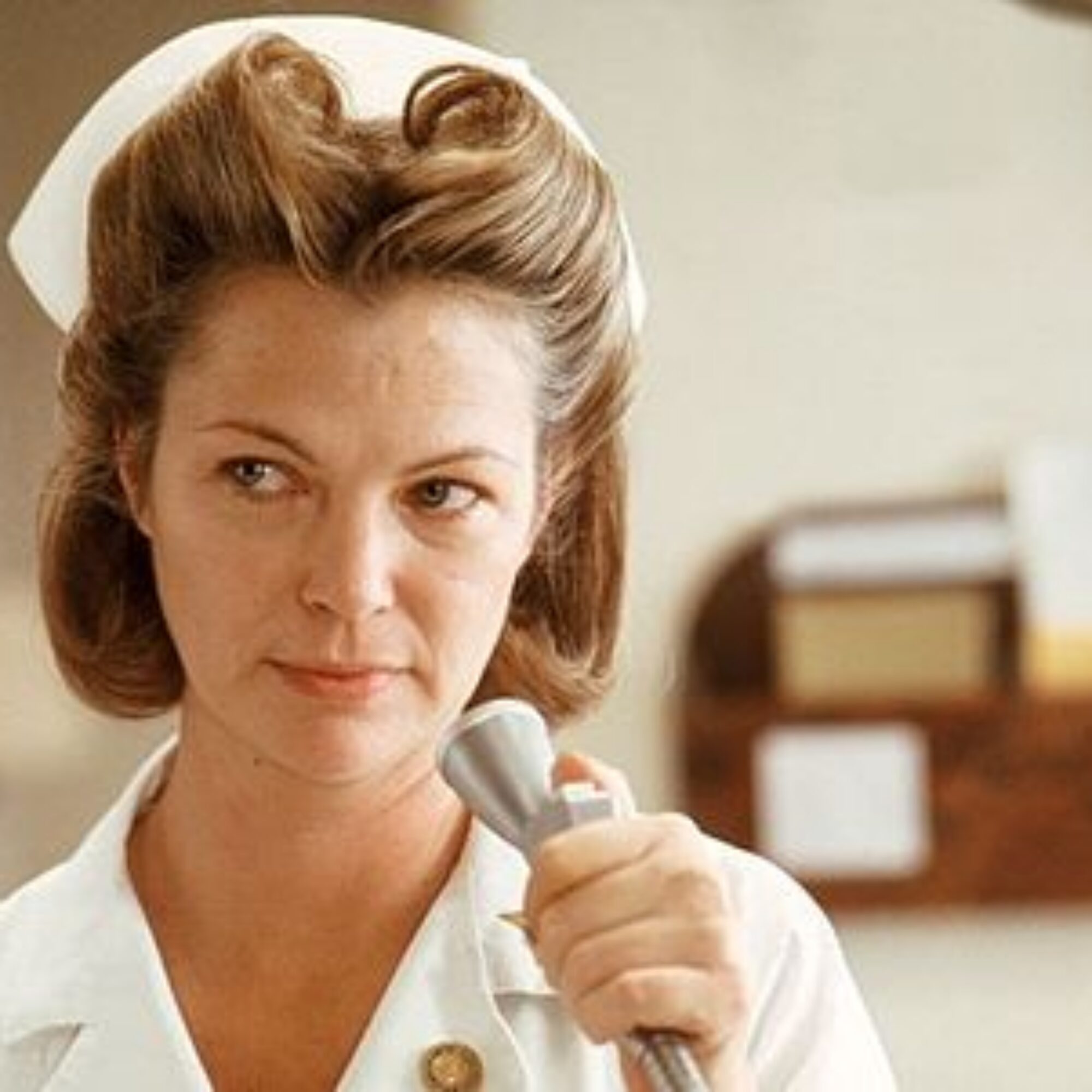
My reasons for teaching leadership experientially today are mainly To enable people to create meaning, value, importance, purpose, and passion in their lives and in the lives of people around them Because the challenges the next several generations will face require changing behavior on a global scale, which are social and emotional challenges, not technical, and I hope to help create a community of people with the skills to overcome these challenges but why I do it today isn't why I started. Why I Felt Attracted to Leadership I remember the first time I saw Nurse Ratched, from One Flew Over the Cuckoo's Nest, named as one of the top villains in movies (#5 in the American Film Institute's ranking, two spots below Darth Vader…

0 Comments

Explore your passions to grow, develop, and to make your work art: My talk at Creative Tech Week

My talk at Creative Tech Week Monday followed up my Inc.com column, Why Entrepreneurs Are Today's Artists (and Why It Matters), which explored how anyone can express themselves and learn and grow through their work if they search for their passions within. Here's the video, just taken by a camera phone from the front row. https://www.youtube.com/watch?v=wGO3k7_Ot_s It also refers to my Don't Be Walter posts from 2013 about the Big Lebowski.

0 Comments

Like creativity? Like technology? In NYC? … Come to Creative Tech Week this weekend!

Creative Technology is transforming culture, design, and art with software, electronics and data. We are creating the premier nexus for creativity and technology worldwide. 9 Days, 100+ Events, 200+ Speakers, 200+ Partners, 25k+ Attendees. Creative Tech Week is a city-wide event week, with events going on in many different locations. Some are free, while others require a CTW Pass, and then others require additional registration or additional tickets. It's organized by the people who do Leaders in Software and Art (LISA), which I love attending. If you're near New York City and like creativity, technology, or both, I recommend attending. I'm going! Register here! Note Friday and Saturday's free expo. I'm also speaking at it. Monday, May 2, 2:45pm at the Brooklyn Library in Prospect…

0 Comments

Prince’s Quirky Anti-Celebrity Habit Showed His Class Beyond Mere Fame

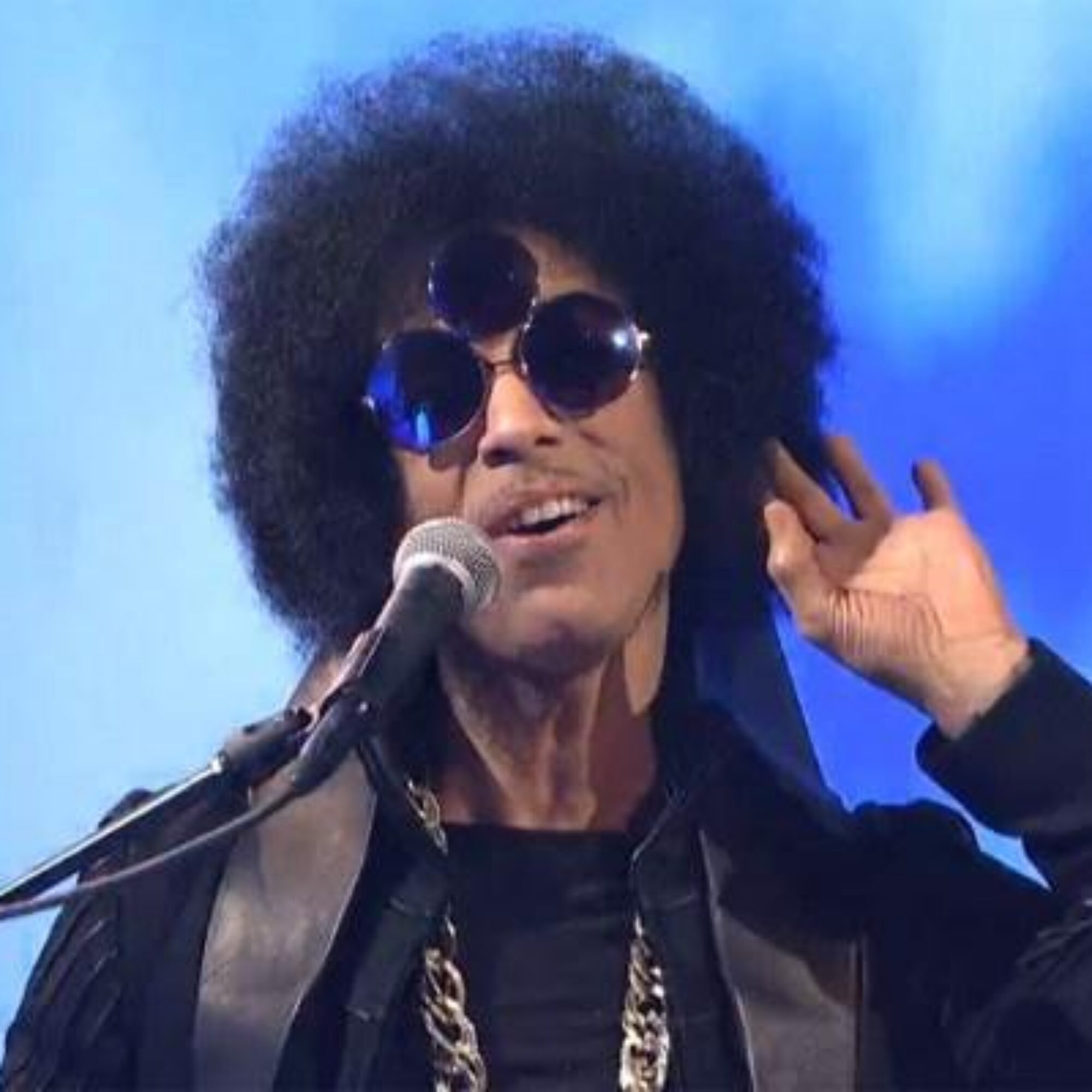
My Inc.com article yesterday, "Prince's Quirky Anti-Celebrity Habit Showed His Class Beyond Mere Fame," begins Prince's Quirky Anti-Celebrity Habit Showed His Class Beyond Mere Fame Today's celebrities seek fame, trying hard to promote themselves. Prince was more dedicated to his craft and community, as his relationships showed. My first thought on learning Prince died was how my friends Corianna and Brianna, better known as Coco and Breezy, had been telling me about him and his get-togethers that he'd been inviting them to. In particular, how in this age of where athletes post on social media during competitions, so starved for fame and addicted to the habit, Prince did the opposite. We can all learn from him. I think it shows that his fame will transcend…

0 Comments

Why Entrepreneurs Are Today’s Artists (My Inc. article today)

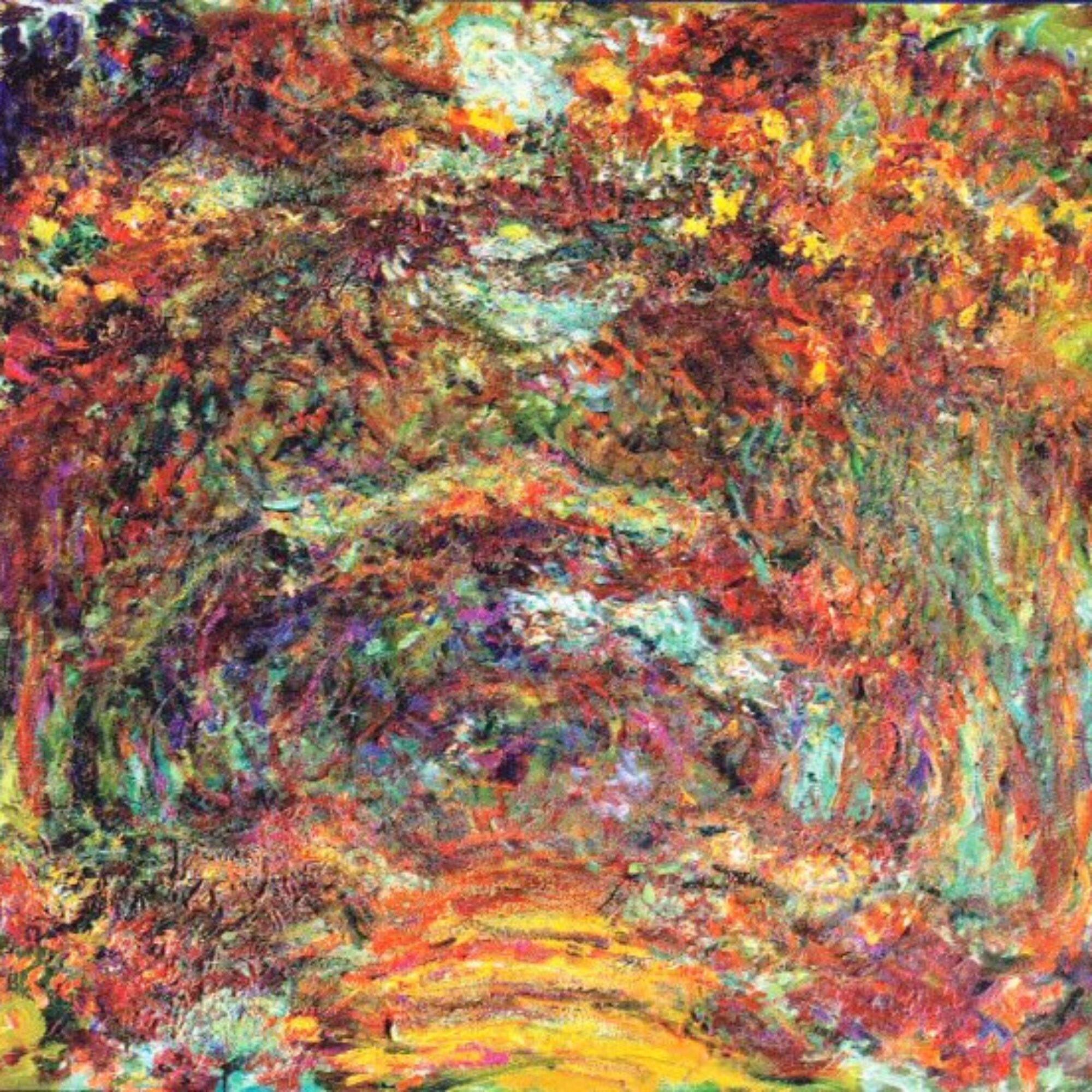
Read my article on Inc. today: "Why Entrepreneurs Are Today's Artists" It begins Why Entrepreneurs Are Today's Artists What is today's greatest source of creativity, expression, social change, progress, innovation, introspection, performance, determination, struggle, challenge, and even truth and beauty? Artists change how we see and think about the world. Visiting Paris's Musee D'Orsayfor the first time in twenty years made me wonder if artists today are changing how we see the world like a century ago. Manet, Monet, Degas, Cezanne, their peers, mentors, and legacies--to pick one of countless lineages--provoked discussion and debate in their time and affected society and culture forever. The biggest debates on art in my time surrounded a photograph of a crucifix in urine and a portrait of the virgin Mary with feces. Maybe I'm shortsighted, but today's…

0 Comments

If you’re thinking, you’re not doing

After most of my life valuing thinking about things and planning before doing, I've found acting first works better in many situations. And that thinking and theorizing inhibit getting things done. I'm not saying to act thoughtlessly. Everyone knows the problem with that. I don't think everyone knows the problems with the converse: thinking without acting. The words of my teacher for my movement class when I took acting a few years ago motivated us well with: If you're thinking you're not doing! or sometimes If you're thinking you're not moving! Movement is critical to acting. Who wants to see actors thinking about what they would do? Sure, you want them to think sometimes, but mainly you want to see them moving. The more ways…

0 Comments

My Inc. piece today: How Beatles Producer George Martin Succeeded Where Every Label Failed

My post at Inc. today, "How Beatles Producer George Martin Succeeded Where Every Label Failed," begins: How Beatles Producer George Martin Succeeded Where Every Label Failed George Martin signed the Beatles in 1962 after every British label rejected them. How the experts missed the opportunity happens more than you think. I played Abbey Road until the stylus on my child's cheap record player destroyed each groove from Come Together to Her Majesty. I've never stopped loving The Beatles' music and still consider them my favorite musicians. George Martin, the band's producer, died yesterday at 90. It's hard to imagine that every British record label rejected them before him. It's hard to imagine music today without "The most popular and influential rock act of all time,…

0 Comments

The value of dramatic theater

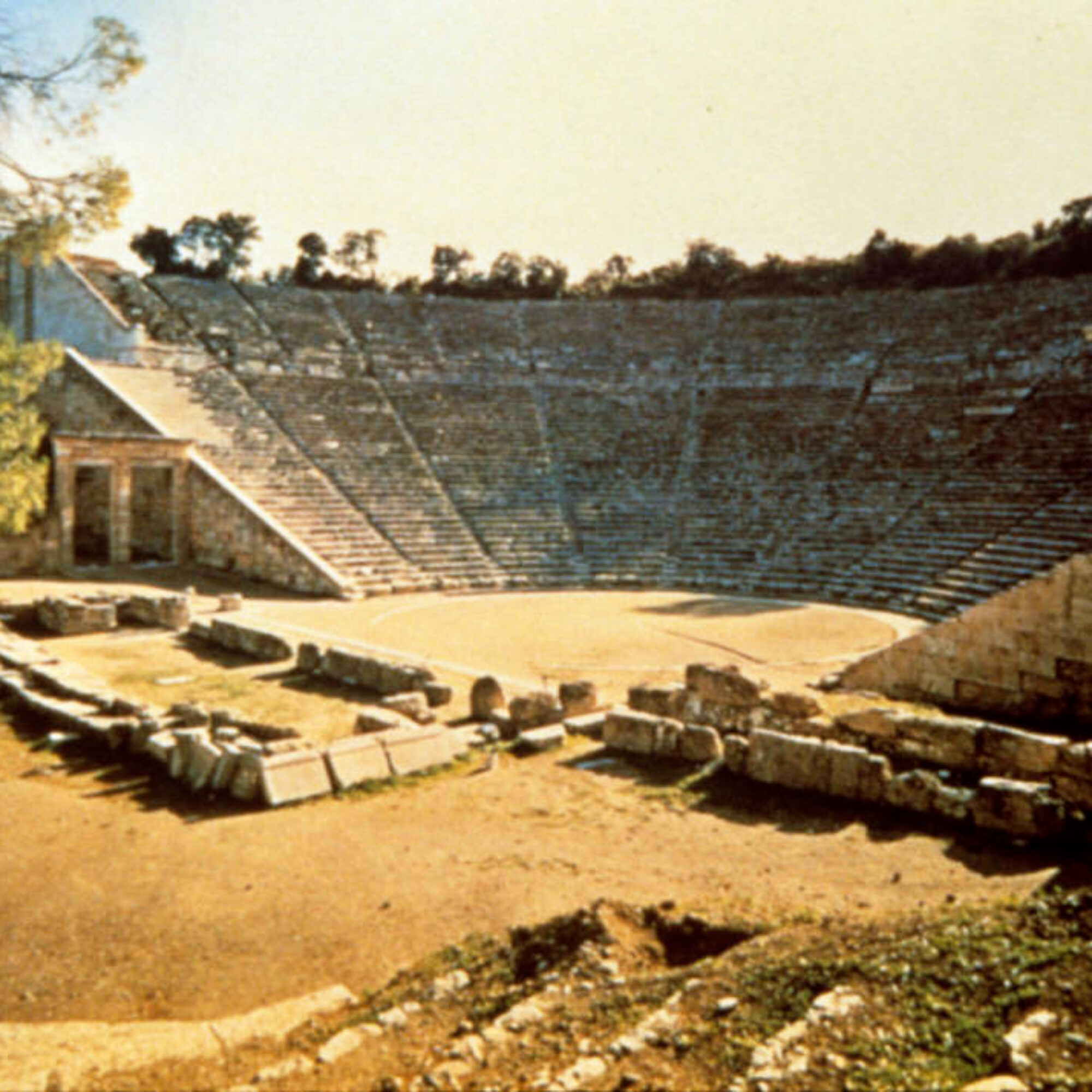
Theater has been around forever even though people don't attend performances that much. Most people I know see more paintings and read more books than they see performances on stage. Have you ever wondered ... why theater has stood the test of time as an art so much? ... why so many cultures have theater of some sort? ... why Shakespeare ranks so highly among cultural icons? ... why we like watching performances that make us cry? Or feel fear, anxiety, and other emotions we don't like outside of theater? Some plays and movies change me. I may find them difficult or uncomfortable to watch, but I feel better for having watched them. I don't watch that many plays. I watch TV and movies, but…

0 Comments

Why leadership and entrepreneurship training can learn from acting training

Longtime readers know a big inspiration for how I teach leadership and entrepreneurship is how we teach acting, based on the self-awareness, emotional expression, mutual support, and ability to perform I see in great actors. Leaders and entrepreneurs can use many of the same skills, and much of my teaching practice involves using what works in teaching acting for teaching leadership and entrepreneurship, with appropriate changes. To learn the training in more depth, I trained in one style of acting, called Meisner Technique after its originator, Sandy Meisner, and was rereading a book by the guy who founded the school where I trained, who studied and worked with Sandy for decades, Bill Esper. The following passage illuminates a lot about learning leadership and entrepreneurship, though…

0 Comments

Seeing my inspiration, Inside The Actors Studio, live

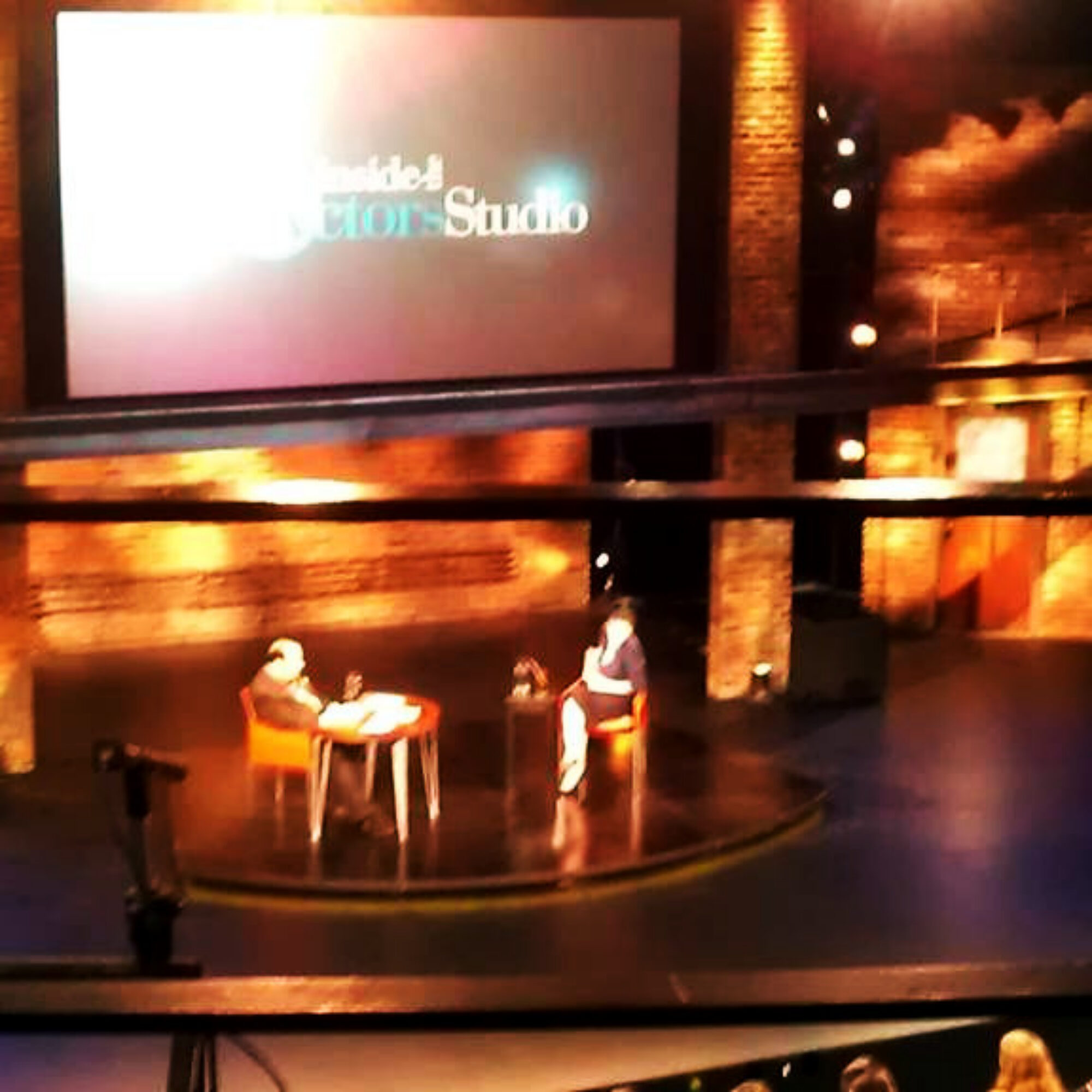
If you've talked to me in the past few years, you've heard how watching Inside The Actors Studio inspired me to learn how actors came to excel so much at skills leaders in other areas of life work hard to achieve but rarely do. On top of that, many great actors on the show dropped out, were kicked out, or otherwise didn't finish much school. Meanwhile, graduates of Ivy League business schools who studied leadership at the pinnacle of our educational system didn't measure up. The schools didn't even teach whatever the actors learned. My curiosity led me to discover about acting training, including its roots as far back as Constantin Stanislavsky, through the American Laboratory Theater, the Group Theater, the Actors Studio, and more.…

0 Comments

More ineffable truth and beauty of regular life

The subtlety and nuance of ordinary life has more than enough to compel it without all the drama that most TV and movies add. Even sitting still for ten minutes is more excitement than most people can handle. The scene below from Girl With a Pearl Earing puts more intimacy, vulnerability, and sexuality into the slightest movement of a hand. The sensuality of mixing paints, the eye contact, and the gasp help, but just the touch is a lot. I don't think you need to see the rest of the movie, though it contributes. https://joshuaspodek.com/wp-content/uploads/2015/08/girl_with_pearl_earring_clip.ogv More overt movies wish they could evoke the emotion and spark of this scene. I find the most interesting parts of art and life are in the subtle nuances. You…

0 Comments

The ineffable truth and beauty of regular life

After my series of posts lamenting the overdramatization of TV and movie dramas that misrepresent regular life (part 1, 2, 3, 4, 5) and after loving Woody Allen movies for decades, I watched Hannah and Her Sisters for the first time. The movie reminded me what art can express when you aren't trying to make everything jump off the screen. I can see why Roger Ebert called it Allen's best movie. I don't know how I didn't see it for almost thirty years. Like Harvey Pekar says, "ordinary life is pretty complex stuff." When you get that, dramatizing it detracts from what I consider the main point of art---to illuminate your understanding of life, nature, yourself, and important things like them. One of Hannah and…

0 Comments

How media represent and misrepresent leadership: A reader’s questions

A reader asked for follow-up on how media shows leadership, following three posts from a couple weeks ago---This is not leadership. It makes people think it is and that's part of why we have poor leaders, part 1; part 2; part 3; and Learning about relationships ruins most movies and TV. Before the questions, I don't want to overstate what I know about relationships and how media shows them, so I have to start by saying I'm just sharing views from casual viewing, not a systematic study. I'm not trying to convince, just to share my views. I'm happy to be shown I missed something or that you disagree. His first question: What did you learn in your personal relationships that led you to see…

1 Comment

Learning about relationships ruins most movies and TV

My pasts three posts were about how media misrepresents leadership like juvenile fantasies of beating people who disagree with you. If you don't know how to lead, you might enjoy the drama of the misrepresentations, but you risk retarding your growth. It's deeper than just leadership. Movies and TV dramatize and misrepresent nearly all relationships. The more I learn about relationships... Well, for one thing the more my life improves. But the more I learn about relationships, the more those I see in movies and television seem twisted into what will hook people into watching more. TV shows and movies feel engineered for profit more than expressive works. Relationships outside of TV and movies have nuance, subtlety, and complexity. Most TV shows and movies overload…

0 Comments

Why do actors and entertainers become leaders more than the other way around and what can we learn from the pattern?

The other day I saw an ad for a TV show where 50 Cent was the executive producer. I don't know what role he had---maybe they're just using a star's name to get viewers---but at least the title suggests he has some leadership role. It made me think. A lot of actors, entertainers, and other performers move into leadership roles, but I rarely see it go the other way. Please correct me if I'm wrong. Same with athletes, come to think of it. People on the right wing get mad at celebrities who take up a cause, but I mean full-on leadership, not just some support. Most don't change roles, but when they do it seems to go in one direction more than the other.…

0 Comments

The basics: more simple and valuable than you think

When I teach and coach basics, someone in the audience always wants to know about some advanced application of the material. I understand why they ask. When you're learning the footwork to dance salsa, you really want to do the fancy spin moves, so you ask about that. The great dancers concentrate on their footwork, though. The masters seem always to suggest sticking with the basics. I find that the more advanced someone's skills, the more they stick with the basics. A movie came out recently about a piano teacher, Seymour Bernstein, who I heard was a great master but stopped performing to teach piano. I think he teaches at NYU so maybe I'll meet him. I've heard people say he's an incredible teacher. What…

0 Comments

The beauty of Godfather 3

Most people who love The Godfather 1 and 2 dislike the third because of the director's daughter in a lead role, saying they don't like her acting. I find the closing scene completes the story beautifully. https://www.youtube.com/watch?v=KupAgY18QDc What do I find so beautiful about this scene? It wordlessly communicates most of the themes of the series---family, women, men, intimacy, solitude, winning, America, and Sicily---with subtlety and complexity. I can't put into words what it communicates, which I like in art, for it to say something it a particular medium that you can't say in any other but that feels true. Michael tried to do what he considered right, but always calculated, never allowing himself to let go, to become vulnerable, meaning never developing intimacy. He…

0 Comments

Emotional awareness ruins television dramas

Years ago I enjoyed television dramas but now I can't bear to watch them. Sopranos, Oz, Orange Is The New Black, House of Cards, Mad Men, etc. It hit me when some friends had me watch a few episodes of Breaking Bad. I enjoyed the acting. Each episode was compelling. Other dramas also have stunning sets and effects and beautiful people. I want to watch each next episode. But something bothered me. It took me a while, but I realized what made it dramatic was that people kept doing things just outside what I would expect people would do in life. The people are too beautiful and fashionable. These properties make the shows dramatic and thrilling but ultimately removed from life, meaning they didn't tell…

0 Comments

How would you behave during the Cuban Missile Crisis?

The movie Thirteen Days illustrated how John Kennedy and the executive branch handled the Cuban Missile Crisis. I recommend the movie (and Robert Kennedy's book of the same name). I edited some parts to highlight one aspect of the situation---the personal perspectives and behavior of people closest to the President. While you won't likely face decisions with stakes as high as nuclear war, you'll face similar structures of conflict. Many people have written about conflict management, decision-making, avoiding groupthink, and other angles. https://joshuaspodek.com/wp-content/uploads/2015/03/thirteen_days_clips.ogv I recommend watching these clips actively by trying to put yourself in the places of each character, imagine the exact thoughts that might be going through their heads, the motivations they'd feel to react, how they'd have to manage themselves to behave…

0 Comments

Know your antagonist

The art of telling stories is one of the great communications skills that spans all cultures and time. Learning to tell them effectively helps nearly all relationships. Every story has a protagonist and an antagonist. When I studied storytelling, I learned that although we root for the protagonist, we usually find the antagonist more interesting. Yesterday I told my friend how I remember that: Although most religious people say they are religious because they believe in god, the reason they go to church is because of the devil. Though you have your role models you try to emulate, how much are you influenced by people you want out of your life? Do you ever find that trying to get rid of them keeps them in…

0 Comments

End of content

No more pages to load