Wisdom in short audio clips, part 2

Following yesterday's post following up last month appearing on the Cybertraps podcast. They created clips of meaningful moments for promoting on social media. Maybe I'm biased, but I think they pulled some choice nuggets of wisdom so I'm sharing them here. Here are the second five of ten, all closed captioned, all 18 to 50 seconds. Get ready for some wisdom. Adversity Reveals You The Cause of Our Environmental Problems, Not Carbon Dioxide Why daily habits are so important and how to make them easier Discipline doesn't enable habits. Habits build discipline Is technology good or bad?

0 Comments

Wisdom in short audio clips, part 1

Last month I appeared on the Cybertraps podcast. Here's the audio from that podcast conversation. They created clips of meaningful moments for promoting on social media. Maybe I'm biased, but I think they pulled some choice nuggets of wisdom so I'm sharing them here. Here are the first five of ten, all closed captioned, all 18 seconds to 74 seconds. Get ready for some wisdom. Addiction and the environment 18 seconds My Definition of Leadership The Addiction Speaking Craving and addiction Handling lockdown like a champ

0 Comments

You Can’t Think More Complex Than Interruptions Allow

Talking to a friend about meditating, after I said something, he made me repeat it so he could write it down. He told me to post it. Here it is: If you get interrupted every nine minutes, you can't come up with an idea complex enough to require ten minutes uninterrupted thinking. In other words: If you get interrupted every nine minutes, you'll never come up with an idea that takes ten minutes thought. I may have posted the concept to this blog before, but it bears repeating. This concept applied to writing my book: Six periods of writing ten minutes each doesn't equal an hour of writing. I have to get into the right mindset, which may take twenty minutes. In that case.

0 Comments

Litter Hurts

Spring is here. Flowers are blooming. Buds are forming on branches. People are showing off the spring clothes they've waited months to show off. The parks are full. I'd guess about a third to half the people, depending on time of day, are carrying a plastic bag and other disposable stuff, often food and doof packaging. By noon, all the trash cans are overflowing with packaging. People blithely eat takeout in the park, which sounds lovely, except not one container or utensil is reusable. For a few minutes of pleasure, centuries of landfill waste. Hoping all the waste will reach a landfill is wishful thinking. The pictures on this post, I've used for many posts over the years. The amount of trash they showed for…

2 Comments

An empty sidcha I’m considering

Once I was getting ready to leave my apartment and trying to remember what to bring. My friend said "phone-wallet-keys" like a single word and since then I've thought of them as the basic what to carry. I go for a walk every day, at least to pick up my daily pieces of litter, which also brings me to the park. I also sing with all my electronics turned off every day. I usually do it in the park, but sometimes walking down the street. Lately, beyond turning all the electronics off, I've been leaving the phone at home. Yet more lately, I've been leaving the wallet home too. I can leave my key with the doorman. The new empty sidcha I'm considering The new…

0 Comments

Don’t call plastic “green space”

Speaking of Washington Square Park, I want to call attention to the children's hills in the south west corner. Everyone agrees kids benefit from playing in nature, like in woods, on trees, in rivers and oceans, and on grassy spaces. Notice anything wrong with this picture of that space? The kids look like they're having fun. The trees look like trees. Does the grass look a little too green? Does it end a little too suddenly in the foreground? How do they mow it around the poles and keep the hills? You probably can tell the green ground covering is plastic designed to look like grass. Kids benefit from nature. Plastic is not nature. Well, what do we do in a big city without enough…

0 Comments

The Weather Is Warm. Guess Who’s Back in Washington Square Park, Sadly?

You might remember my writing about the needles I'd find in Washington Square Park last fall. I presumed they came from heroin users, though I don't know what drugs people inject. You may have noticed I haven't written about them for a while. Well, I've continued my sidcha of picking up at least three pieces of litter from the northwest corner of the park and the cannabis dealers have been there every day, but the heroin users disappeared from the park over the winter. Now they're back. I'm writing about it because I've noticed the difference between them and the weed dealers and I've been challenging myself to describe the difference. The weed dealers seem like businessmen. I've talked to a few. They're lucid. They…

2 Comments

Year 6, day 1 since I last flew

A bit over six years ago I learned that flying New York-L.A. round trip coach warmed the globe about a year's worth of driving. The next trip I took by plane, I lost sleep about my personal contribution. I challenged myself to try a year without flying. My TEDx talks describe my struggle with the challenge, since I thought family, work, adventure, and so on depended on it. But I went for it, starting six years ago today. I never decided not to fly again but contrary to all expectations, it improved my life so each year I keep saying another year. I'll share some lessons, though it's spitting into the wind since anyone who flies takes everything I say to argue why they can't.…

0 Comments

449: Chad E. Foster: How Do You Handle Huge Challenges? Not Big. Huge.

How do you face challenges? Not little ones like a pandemic lockdown for a year. Big ones. Regular listeners hear me talk about role models like Viktor Frankl and Nelson Mandela in the context of handling life challenges. During the pandemic, for example, I recognize there was suffering before, there will be suffering after, and there's suffering now. Our challenge is not to take on things outside our control since we can't, but to figure out how to respond, not just to the world but within our hearts and minds. We're locked down. Nelson Mandela was locked down for 27 years. If he could create meaning forced to break rocks, I can find meaning in my home, able to go out every day, with access…

0 Comments

“I refuse to be silenced because you’re afraid of change”

The Guardian published the following opinion piece, By breaking the silence about patriarchy, men can help end violence against women. I copied the first few paragraphs below. If you don't find its stereotyping abhorrent, consider the two rewrites that follow, which I consider abhorrent. To clarify, my goal is to increase equality between sexes, not endorsing political views. I am pointing out one simple observation: the article's treatment of one group for an accident of their birth or based on others' stereotypes would be seen as abhorrent for other groups. I contend it's equally abhorrent to do it with men. More than abhorrent, it perpetuates sexism, presumably what people want to stop. If you feel compelled to point out differences, of course I know there…

0 Comments

Starting month 5 With My Fridge Unplugged

I unplugged my fridge November 22, meaning tomorrow begins my fifth month with it unplugged. Here's a podcast post describing why. It's not to save energy, though it does, but to develop resilience. I opened it to take a picture and am slightly embarrassed to show that mildew has grown, but that happens when it's not running. I'll clean it before I plug it back in and put food back in. I've already written how the electric part of my last bill, not counting fixed line charges, was $1.70. What I've learned I ferment a lot more. I thought there was more to it, but mostly I just sprinkle some salt on a vegetable or sometimes fruit and periodically stir so mold doesn't form I've…

0 Comments

Family Planning Success Stories From Around the World (mostly videos)

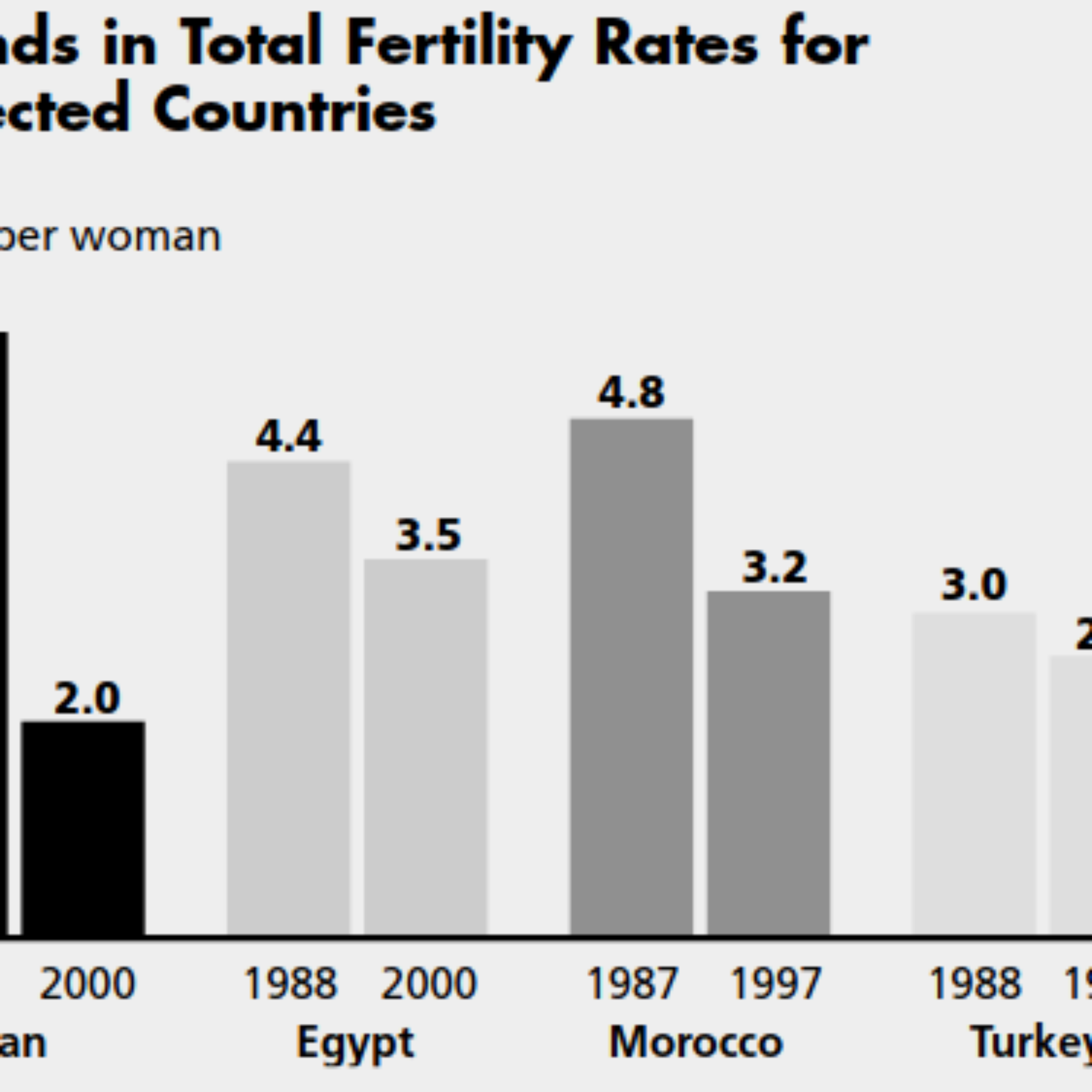
Through voluntary, noncoercive, even fun ways, enabling couples to decide their family sizes, many nations have lowered population growth leading to prosperity, abundance, and stability. Think the opposite of the One Child Policy or eugenics. Most of us don't know these success stories. Many people would have considered such changes impossible, including myself until recently, or would have thought it resulted from a so-called demographic transition that resulted from economic growth. On the contrary, what economists think just happens in the most successful cases results from actions that people like you and me make happen. I'm starting with Thailand and Iran, two of the most successful. I'll add more as I find them. BBC's People Fixing the World Thailand's Condom King The Cheerful Revolution (1979)…

0 Comments

448: Robert Bilott: The Lawyer Who Became DuPont’s Worst Nightmare

Your blood contains PFOA, also known as forever chemicals. They cause cancer of several types, birth defects, and more. Dupont and other companies produced this stuff after learning it caused harm and dumped it into our environment. As best we can tell, they chose enormous profits over the health of their employees at first, and eventually all Americans and all humans because this stuff takes millions of years to break down and accumulates in our bodies. We know because Robert Bilott, today's guest, took on a small farmer's case. His cows were dying, we now know from water poisoned from Dupont dumping these chemicals. They pulled on the thread and the whole sweater unraveled. Robert's story became on par with those in the movies Erin…

0 Comments

447: Kathryn Garcia, part 1: Candidate for New York City Mayor

Kathryn Garcia, candidate for Mayor of New York City joined. No matter where you live, the mayor here matters. Many national trends in politics, business, culture, education, sports, and more start here. Our output in entertainment, culture, but also pollution and population affect the U.S. and world. I wanted to treat two issues: sustainability and leadership. Also hear Kathryn Garcia as a person, not just a candidate. Talk about a welcome change from all-too-common American politics! You'll hear a public servant speaking with experience, knowledge, and heat. There are more issues than a mayoral candidate could talk about in one episode with the city in the midst of a pandemic, ethnic and racial strife, a cultural scene that's been shut down, disparities in wealth greater…

0 Comments

Vertical farms illustrate the problem with fusion

You've probably heard of vertical farms—growing crops indoors stacked as high as the entrepreneur builds. Indoors allows year-round growing, growing near where people live, saving transportation costs and pollution. It allows hydroponics and related techniques, reducing resource use. They light plants with LEDs with frequencies optimized for each plant. Despite these advantages, they face several limitations. So far, only high water, low calorie plants like lettuce, tomatoes, and herbs have proven economical. Grains and legumes cost far less to grow in traditional farms. They require a lot more energy, which the sun provide free. Do vertical farms provide a net gain? The answer requires engineering details still being worked out. Here's one line of inquiry, to give you a flavor. If the LEDs are powered…

2 Comments

Learned helplessness and managing population

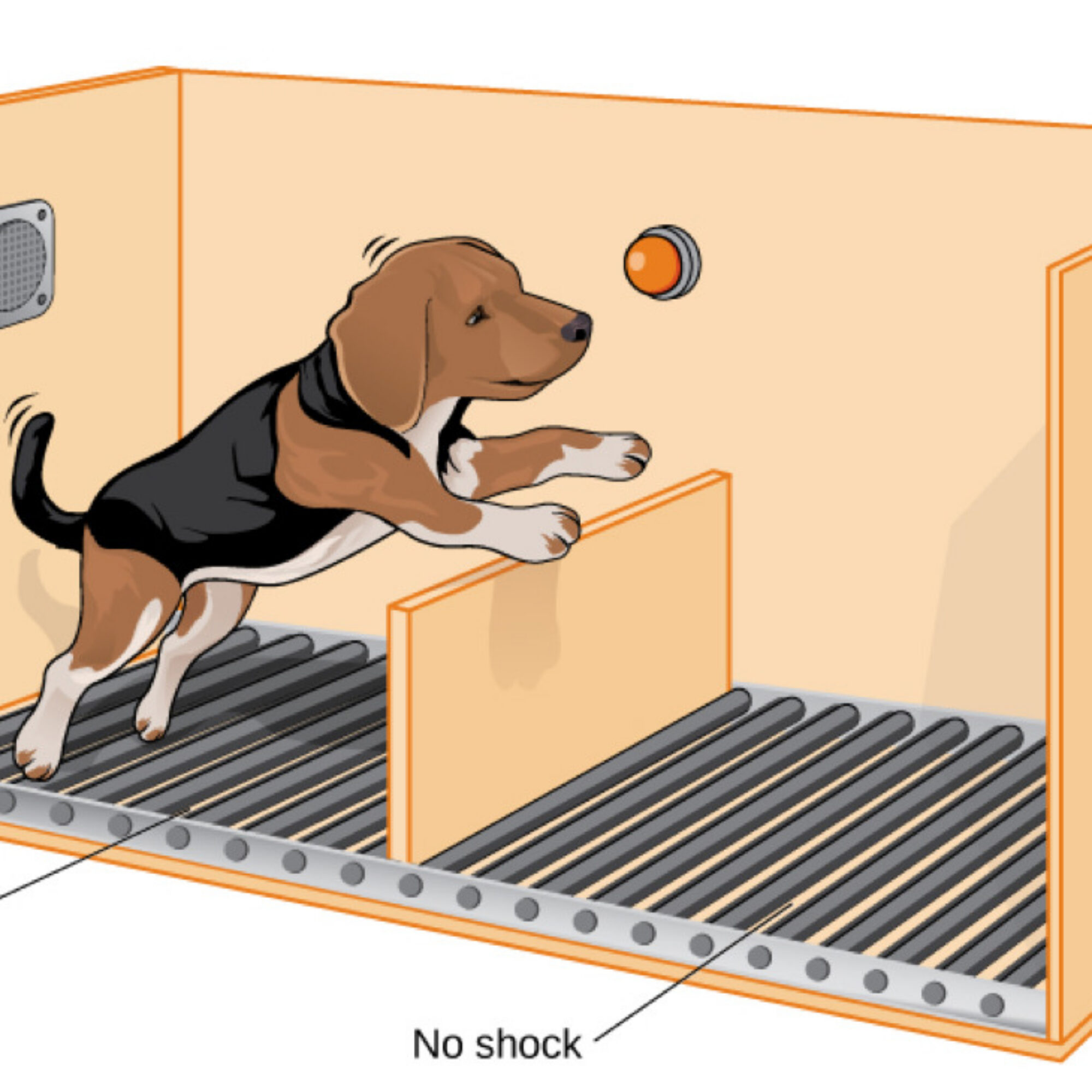
Martin Seligman is known as the father of positive psychology. In his words, "when I started, psychology was all about fear, conflict, struggle, and competition. I was part of movement that changed it to be also about meaning, control, love, engagement, accomplishment, success, and hope." He started that change by chance. In 1967, studying depression and responses to challenges, he discovered an unexpected result in dogs. He had administered an electric shock at random times to different groups. One group could stop the shock by pressing a lever, the other group's lever did nothing (ethics boards might not allow the experiment today). He then put dogs from the groups in a room where the floor on one side could provide a similar shock. The dogs…

2 Comments

446: Wondering how you can make a difference? Action begets action.

I noticed a trend among podcast guests that the people who have already acted the most on sustainability find new things fastest. By contrast, people who do less say they're already doing all they can, or at least all they can think of. That's backward, or would be if you thought there were a limited number of things you could do. The so-called experts who themselves haven't acted promote big, Earth-saving projects which of course I support, but they end up knowing only big, complex things. Most people can't think of what to do when they want to. That the people doing the most find more to do fastest suggests the more we act the more we want to act, the more we know what…

0 Comments

Book 3, first draft done

I finished writing the first draft of my third book to be published. I count my first two books, which I self-published, in a different category. No one has read a word of this one yet. I'm prepared that others may think it sucks. The next step is to start editing, enough to include something great in the proposal, most of which I've written, but it needs to include a chapter or two. I signed up for a writing workshop, which helped guide and motivate me. It has worked wonders, and I expected a lot. I've attended every session, reflecting on what I learned. I mark this evening as the milestone of finishing the draft since I sent it to the workshop leader for my…

4 Comments

445: Rabbi Yonatan Neril, part 2: Religion, Interpreting the Torah, and Nature

We got into territory I'd wanted to talk to a religious scholar about. I would have expected being recorded would make us more tentative, but I found the opposite. I didn't keep track, but several times I said feel free not to answer. Instead he answered more, sharing what he'd thought and researched about in depth. We cover Joseph, Isaac, the Arch Bishop of Burundi, population, contraception, consumption, and more, both in principle and in our personal lives. We also cover his personal experience in the woods near his home, his family, his work, and how they all interplayed. Family is the number one reason people give about not being able to act. "Josh, you don't have kids, you don't understand how it's impossible." Well,…

0 Comments

Bill Gates and environmental leadership, part 2: His Addiction Speaking

I posted the other day Bill Gates and environmental leadership on how he is undermining his own attempts at leadership in the environment that anyone would see as blatant if he acted similarly around the pandemic. We excuse his pollution and overconsuming because we want what he gets for them, like travel and mansions. A friend quoted a relevant passage from his book. I'll post my thoughts on reading the passage, then the passage. My thoughts on Gates's passage I see Martin Luther King paying others to go to jail in civil disobedience extra to offset his doing what he considers more important. Gates sees stewardship as a burden, deprivation, sacrifice, distraction. He doesn't want to do it. He has no idea what he's talking…

0 Comments

3 Meditation Updates

About ten months in to meditating 20 minutes two days out of my five-day exercise cycle, a few updates. I last updated in November on my full lotus pose. Practice is making it more comfortable. Here's my post with the video of me in the pose. You may have noticed my sitting on a folded towel on a folded sheet. Here's me, about to sit on the folded towel on the folded sheet, from the video: You probably know I don't like creating demand for material stuff, so I've been checking Craigslist for months for a used meditation cushion at a reasonable price. At last, I found someone selling a cushion and pad for forty dollars, so more than a towel, but cheaper than new…

0 Comments

What happened to utopia?

When I was a kid, a popular idea of a utopia involved robots taking care of life's needs. Today when people talk about automation, they present it in the context of displacing jobs. Let's say robots and automation could provide all of life's material needs---food, water, shelter, warmth, etc. It seems that yesterday's idea of utopia has become a source of fear. Maybe that's the media selling clicks, since anxiety probably generates more than confidence. If we could create robots and automation to provide everything for us, would we prefer that life? I think we'd expect that if we could, the companies that provided the service would still charge us for it. Nobody could pay for it, so nobody would get it. So why not…

0 Comments

Bill Gates and environmental leadership

Did you see Bill Gates's TED talk on pandemics from 2015, years before Covid? He foretold what scientists had predicted for decades and we came to see unfold around us. From the pandemic's start, he spoke on the news on the importance of wearing a mask. Imagine if after speaking about masks, he held a party for hundreds of people in close quarters, none of them wearing a mask. From a numerical standpoint, one person's actions or even hundreds', even Bill Gates and his friends, hardly matter out of 7.8 billion. Only governments and corporations could change things at that level. Of course, that "logic" is nonsense. Even without his resources and connections, we all influence people around us. Suggesting wearing masks and then flouting…

0 Comments

How I improved on Eisenhower

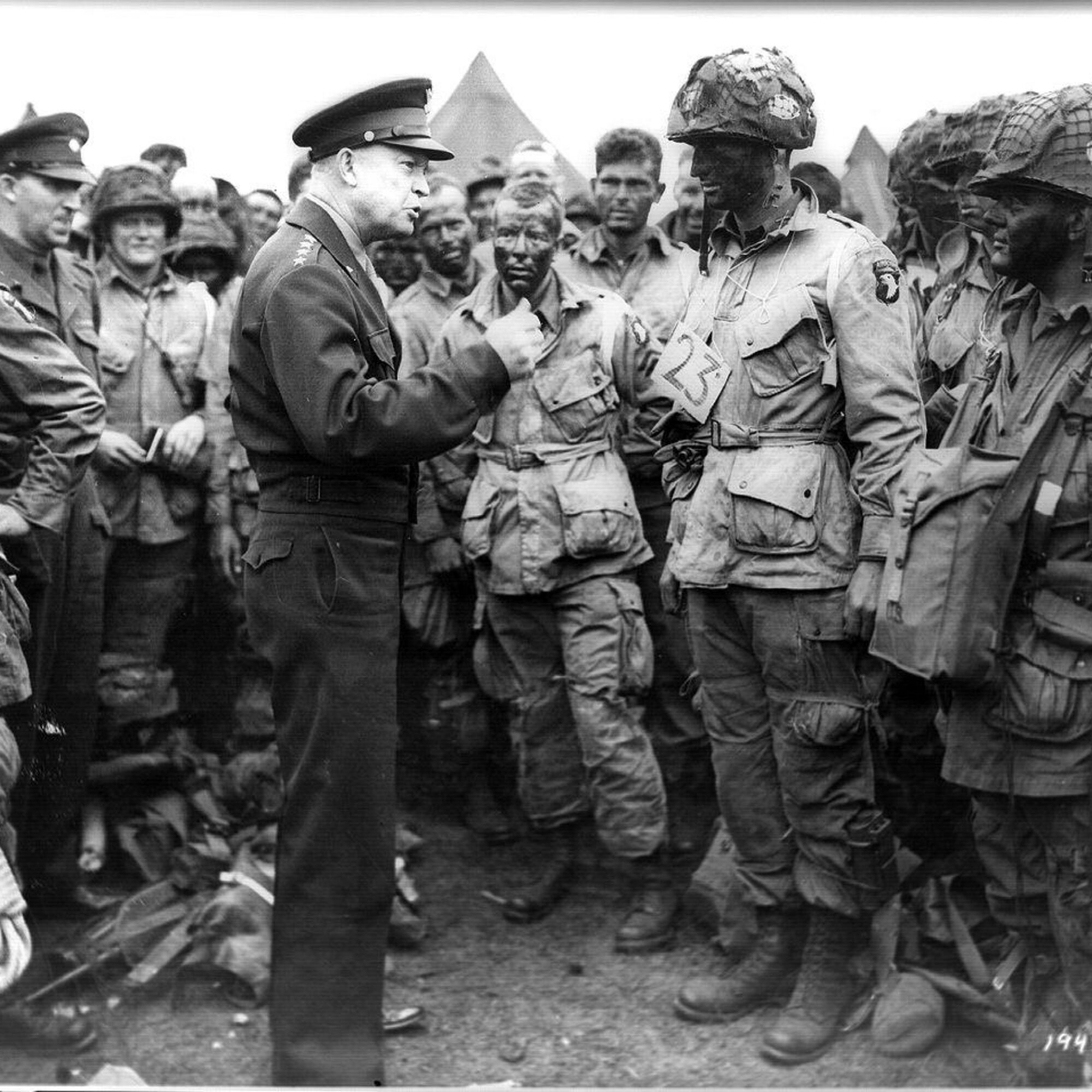
I'm not going to say I improved on the guy who led the Normandy invasion, led Columbia University as its president, or led the United States as its President, but I did accidentally improve on a quote of his. For years I've described part of the leadership I teach by quoting Eisenhower as having described leadership as getting the other guy to do your thing for his reason. He lived when people used masculine for gender-neutral. I elaborate on my technique that to know the other person's reasons requires listening and before listening, asking, and before asking, behaving and communicating in ways the other person feels comfortable sharing what motivates them. Usually people protect what motivates them since sharing makes them vulnerable. We've all been…

0 Comments

Can people collaborate across lines of nationality, skin color, etc when it counts?

I grew up learning about the Great American Melting Pot. It said that Americans came from all over the world but that spending time together would create a common culture of collaboration. As a kid, I didn't question that things would work that way. Someone in the families of everyone I knew had arrived here not that long before. at least as far as I knew. I didn't think to ask if a TV public service announcement accurately represented culture. I also didn't consider that most other countries formed around common languages and cultures. France contained French, Japan Japanese. If I know, I would have found that countries with strife were divided by external agents ignoring cultural lines, like countries in Africa that European colonial…

0 Comments

End of content

No more pages to load