Awareness


The opposite of leading

Yesterday I asked readers for their ideas of the opposite of leadership. Christmas is probably not the best time to ask for feedback, but a reader suggested the following Reacting or doing something without awareness, like why one is really doing it and what its effects could be. Looking at one aspect of something and thinking it's the entire picture. Allowing others to confuse or intimidate me into adopting their values or giving up mine. Doing something because it's supposed to be the good or right thing to do. Not expressing oneself, not expecting others to understand what you've got to say. I agree with all of these points: lack of awareness---aka denial and suppression---short-sightedness, giving up one's values, and not expressing yourself. My ideas…

0 Comments

What is the opposite of leading?

What do you think the opposite of leading is? I think most people would reflexively say following, but since both leaders and followers are trying to achieve the same goal, I don't think they're opposites. More like complements. I have an idea or two that I think tell a lot about leadership. I'm curious what my readers might think, so before I share what I'm thinking, I invite readers to think about it and share their thoughts on what you think the opposite of leadership is and why. I bet thinking about it will help you improve your skills or direction to improve them. Either post below or email me directly. Tomorrow I'll summarize your responses and my thoughts.

0 Comments

Another reason to say no to a lot of good things to have a great life

Think of your heroes and role models. How many of them reached their greatness by doing many things in many areas at once? All the ones I can think of reached greatness by excelling in one area. After greatness they may have branched into other areas, but they all focused with discipline at first. Most people I know spread themselves thin on many projects. They don't say no to good things and therefore don't have the resources to succeed on great things. They point out how hard it is to say no to things they like. I agree. That's why so few people qualify as heroes and role models. They didn't say no to anything, lacked resources (time, money, enthusiasm, etc) to excel on what…

0 Comments

My beliefs from a week of writing them

Here are the results of doing the exercise from this post, "An exercise in knowing your beliefs; so you can change them." for a week. I wrote beliefs down each day, then put them on a file on my computer. I didn't keep track of what order I wrote them in, so the numbers don't mean anything. I just use them for reference. I'm including my word-for-word results to show that the exercise output—what you will create when you do the exercise—is only sixty-odd sentence fragments. They may not make sense to anyone else, but I expect you'll find you'll write in your shorthand too. What you write only has to make sense to you. There were a few I wrote but didn't include here…

0 Comments

The value of dramatic theater

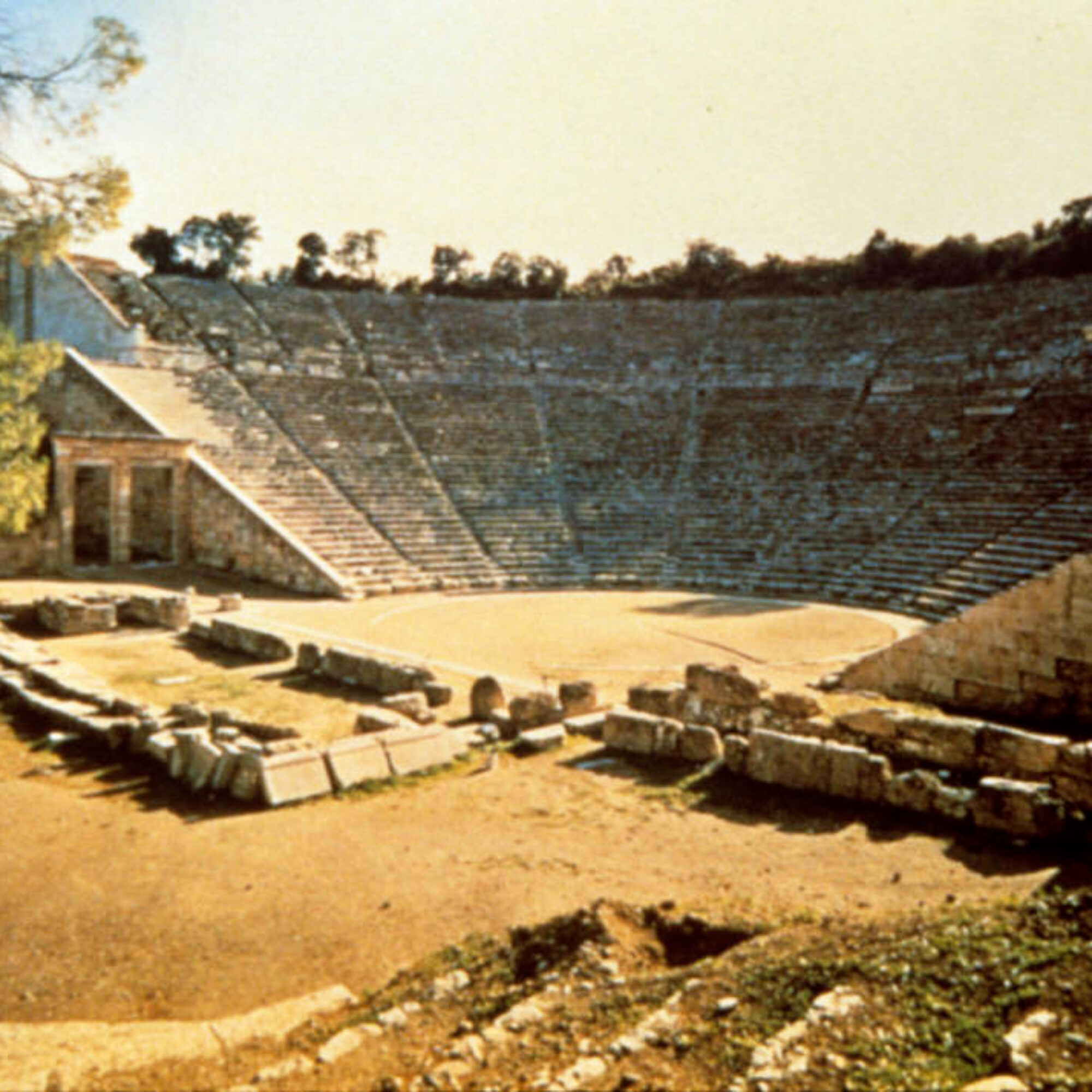
Theater has been around forever even though people don't attend performances that much. Most people I know see more paintings and read more books than they see performances on stage. Have you ever wondered ... why theater has stood the test of time as an art so much? ... why so many cultures have theater of some sort? ... why Shakespeare ranks so highly among cultural icons? ... why we like watching performances that make us cry? Or feel fear, anxiety, and other emotions we don't like outside of theater? Some plays and movies change me. I may find them difficult or uncomfortable to watch, but I feel better for having watched them. I don't watch that many plays. I watch TV and movies, but…

0 Comments

Power in playing the victim

As soon as I saw this scene in the movie Boyhood, I knew I had to post about it. Any man who grew up with a sister experienced the frustration you learn to live with of society (represented by parents in the context of a family) considering you guilty first and responsible for problems. https://www.youtube.com/watch?v=1J5sDgYpROg His sister taunts him. When the mother enters, his sister fakes tears and victimhood and their mother tells him to stop. The movie dramatizes the scene to evoke emotions more strongly, so interactions aren't so blatant, but even taking that into account, this scene hit me on a couple levels. First, having grown up with sisters, I remember the frustration at knowing my parents would take their sides by default…

0 Comments

Restaurants keep disappointing more the healthier I eat

Sorry if I'm straying too far from leadership, meaning, value, importance, and purpose, but I find food, eating, and physical fitness an increasingly important part of personal leadership the closer my diet consists of fresh fruit, vegetables, and legumes. Today someone took me to lunch at a nice natural foods restaurant in Soho, Manhattan. His company was paying for it so I didn't have to think about price. I ordered what looked like a healthy, nutritious dish. As always: Tons of rice (I ordered it with less rice and more vegetables) Overly sweet sauce Few vegetables Sure, sweet tastes pleasurable, but it deprives the dish of complexity. It's just sweet. It makes you want to put more in your mouth, but at the cost of…

0 Comments

Everyone gets distracted. Here’s how to overcome it.

A student in the online entrepreneurship course I'm creating asked about distractions. When he wants to work, he often gets distracted. I think me answer will help others so I'm sharing it here. Most life-long valuable things have long-term, non-urgent reward. Things that have immediate reward or urgency will distract. For example, if you want to do well at school, the reward for working on a project may come days or weeks later when you finish. Meanwhile, if you clean your room, play a video game, or eat, the reward will come in seconds. I've found the most effective way to stay on course is to start with awareness. To realize that there's nothing special about me that makes me lazy---rather that humans have a…

0 Comments

You have two options in life

You have two options in life. Option 1 is to try, meaning actively trying at things that matter to you. If you try, things won't always work as you want and you will sometimes feel bad. Not bad like your fell and scraped your knee. Bad like what's-the-point?-Every-time-I-try-I-fail-so-why-keep-trying?-Why-bother-going-on-at-all?-I'm-a-failure-and-always-will-be bad. As far as I know, feeling that way is inevitable if you try. Option 2 is to eat cookies and ice cream and watch TV, meaning to entertain yourself passively. Your passive entertainment may come in many forms besides literal cookies and ice cream, as long as you don't have to try and make yourself vulnerable to pain. This route doesn't lead to feeling bad in the way the first option does. Some who favor actively…

0 Comments

Would you rather be you or have been born a Rockefeller?

Do you wish you had more money? Mainstream society pushes that value on us. Many of us adopt it. Even when someone suggests questioning having more stuff or money, many people still say they'd rather have more. Let me break it down to the foundation: Would you rather be yourself or to have been born a Rockefeller? If you were born a Rockefeller, you would have been born with more money than almost anyone. How good that makes your life is another question. If you'd rather be someone else than yourself, you have a problem, but not imposed by others. Most people I've talked to about their values live their values better than anyone else. If you live by your values better than anyone else,…

0 Comments

Needing less gives more freedom than having more

Mainstream society sabotages us by trying to sell us that having more---money, stuff, connections, etc---improves life. How having more improves life it doesn't say, but it's usually through images of people enjoying themselves, typically when getting the stuff, which doesn't represent the costs of paying for the stuff, maintaining it, putting on weight from eating it, the pollution it causes, and so on. I've found two opposites of what mainstream society promotes more valuable for my life. First, as much as I value emotions I like, I don't find temporary emotional states valuable goals. I value emotional skills to create the emotions I want deliberately, which relying on external things for my emotions undermines. So I value freedom to think and act how I like…

2 Comments

Op/Ed Friday: Almost nobody is acting for equality, which is why we aren’t getting it

If you don't act for equality, it doesn't matter how much you want it, you aren't going to get it. Almost nobody is acting for equality so we aren't getting it. Many people think they are acting to create equality, but their behavior is counterproductive to equality, despite their intent. Why do I say people aren't acting for equality? What are people doing if they aren't acting for equality? Many people belong to groups that they feel are disadvantaged. They feel they don't have the same opportunities. Or that social structures are holding them back. I should say we because everyone everywhere has claim to some way they are held back. The most common ways are by sex, skin color, belief, income, etc. Many people…

2 Comments

Failure is how you feel about your results

I simplify complex or mysterious terms to make them easy to understand and act on. The professional and personal development fields seem to prefer click-bait titles---what sells over what works. Talk about failure and success is filled with clichés ("It's the journey, not the destination," "everything happens for a reason") and grandstanding ("fail early and often," "I failed many times before succeeding") that I haven't found helpful for someone facing a challenge and fearing failing. Successful people tend to say they failed on the way to success and now welcome failure, or even look forward to it, but what they mean by "failure" isn't what beginners think of it. Most people---especially successful ones and especially gurus and instructors---switch meanings of the word "failure," sometimes mid-sentence.…

0 Comments

A reader’s SIDCHAs

An attendee at my Harvard talk wrote me about his starting a couple Sidchas. I asked him if I could share his experience because it illustrates how we grow when we challenge ourselves. Making a challenging daily habit stick not easy, but I find that knowing that others face the same obstacles and that overcoming them is just as hard for everyone else makes it easier. You'll also see that the challenges aren't what most people expect and prepare for, like physical fatigue or having the right clothing or equipment. The main challenges are your emotions and emotional system, especially empathy gaps, where the motivation you feel when planning a challenge goes away, replaced with complacency, lethargy, feeling like you already did enough, and so…

2 Comments

Does this bottle disgust you?

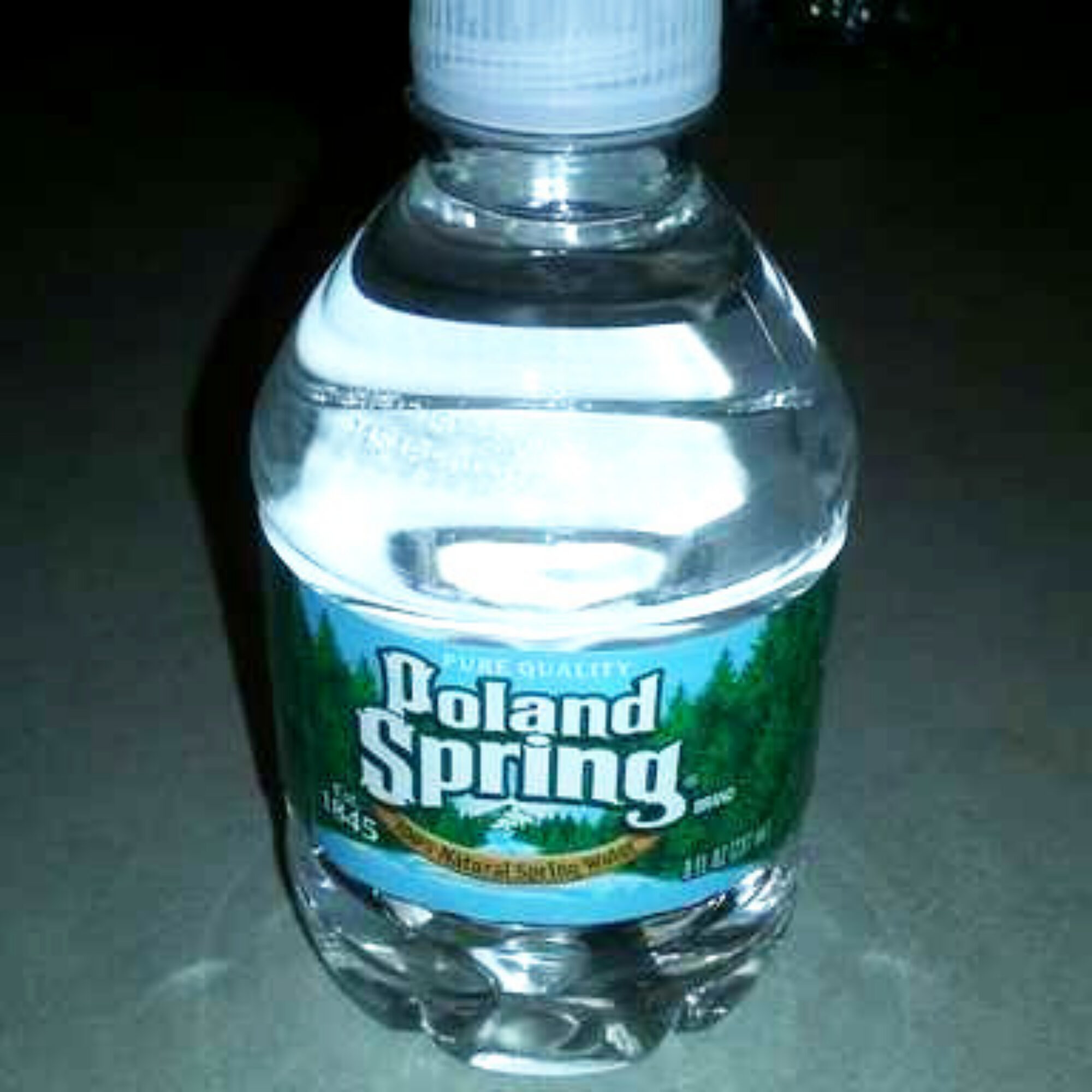
I saw this bottle at an event. I've seen ones like it before, but this time I couldn't help feeling disgust. Why disgust? Because there is no need to package that amount of water for whatever people are using it for. It won't quench the thirst of anyone thirsty to the point of it affecting their health. For everyone else, it's just a superficial holdover for a few minutes. No one receiving this bottle needs the water in it. Anyone who thinks they do can stand to learn some self-discipline or to recognize that people actually suffer from lack of access to water and this bottle is contributing to people losing access to clean water. This is another perspective on this bottle. Anyone who thinks…

2 Comments

Confidence and pride in your body feels better than chocolate tastes

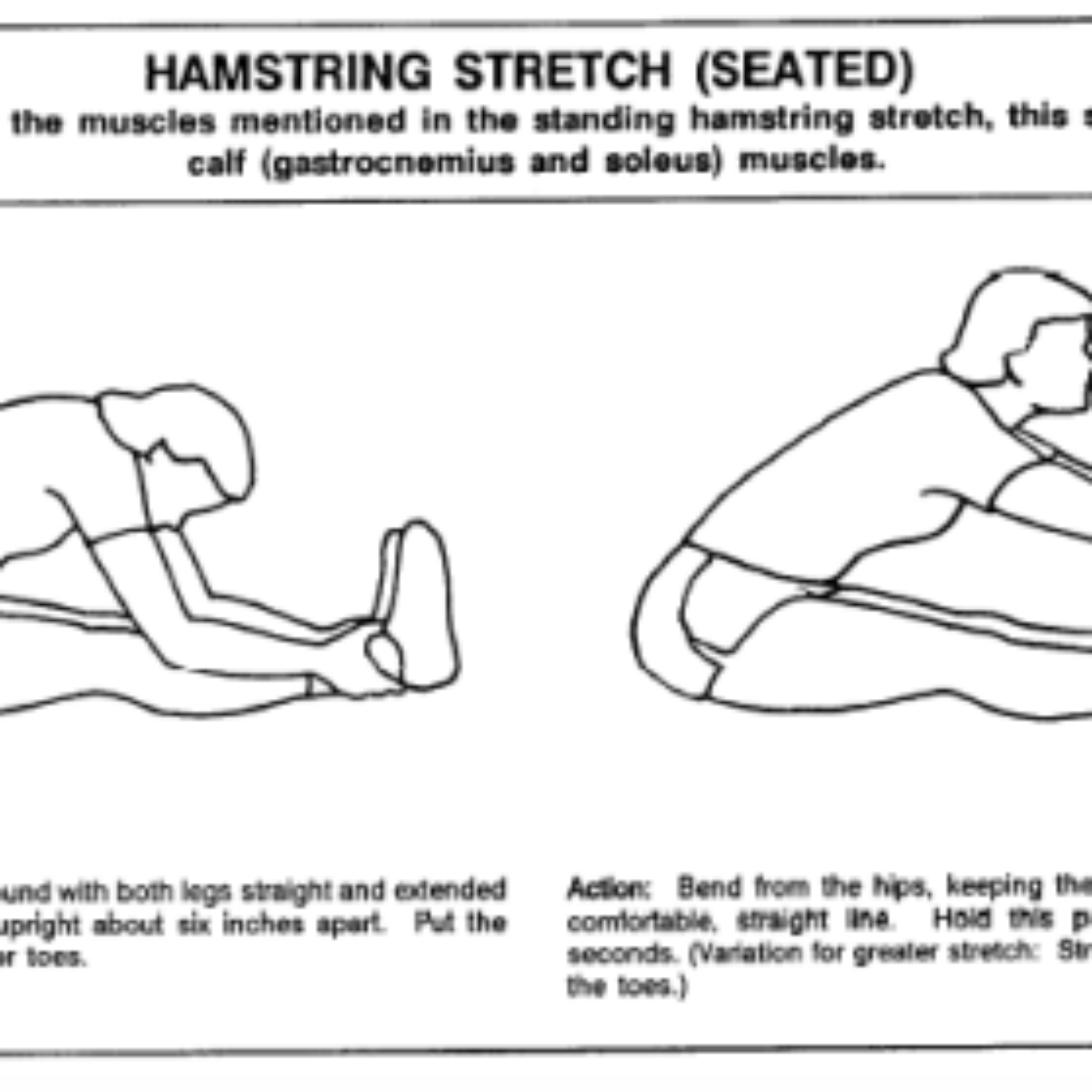
Leading others begins with leading yourself. Part of my daily workouts is to stretch my hamstrings by sitting with my legs straight in front of me, like this: How do you feel about your abdomen when you crunch forward like this? Does it show fat that you prefer people not see? Do you look flabby? Do you avoid such positions for that reason? I noticed that my entire life I've felt ashamed of my abdomen, its lack of muscle tone, and the layer of fat that stood out when crunched forward, like in that position. Like many people, I hid my abdomen so people wouldn't see it, including myself. Even when running marathons and going to Nationals playing ultimate, I never understood diet. I had…

0 Comments

Conflicting emotions don’t cancel out.

If you earn $10 and then have to pay $3 to taxes, you net $7. Emotions don't work that way. Many people think they do, which leads them to miss out some of the most interesting parts of life. Say you like a friend and they also annoy you. If you net out that you kind of like them you miss out that you have a complex relationship with them. The emotions you feel to them don't cancel or net out. Without recognizing the range of emotions you feel with them, you might spend time with them as much as someone you're tepid with. With recognizing it, you might, say, figure out how to get the best of the parts you like and avoid the parts…

0 Comments

A problem I don’t see how to solve. Can you help me?

Do you ever get into an argument where you feel like you're right and they're wrong and you know that they feel they're right and you're wrong? We all do. It happens when you and the other person apply different values. You can both consider yourselves right and the other wrong. Sometimes I call the situation "The Worst Problem In The Worldâ„¢" because of how much the problem can grow and infect relationships---of individuals and large groups of people, like nations. One of the roots of the problem is that each party wants to feel understood but each is also trying so hard to make themselves heard, they don't listen to the other. It creates a stable unpleasant situation. I've found a way to resolve…

3 Comments

Do you trap yourself in mental jails?

"Nice guys finish last." Alone, this thought has probably condemned many men and women to abandon being nice. Accurate or not, combined with another belief, that the alternative to being nice is to be a jerk, further condemns people to being jerks. Jerks---people with one type of poor relationship skills---even when materially successful, seem likely to face emptiness in intimacy, what many consider the most important parts of their lives. We don't like jerks around us, so we don't want others to consider us jerks and shun us. But if the alternative of finishing last seems worse, we feel rational in choosing it. Whether nice people finish last or not, you can't much control. After you try your best, competitive outcomes depend on many factors,…

0 Comments

Yoga, attention, nuance, and subtlety

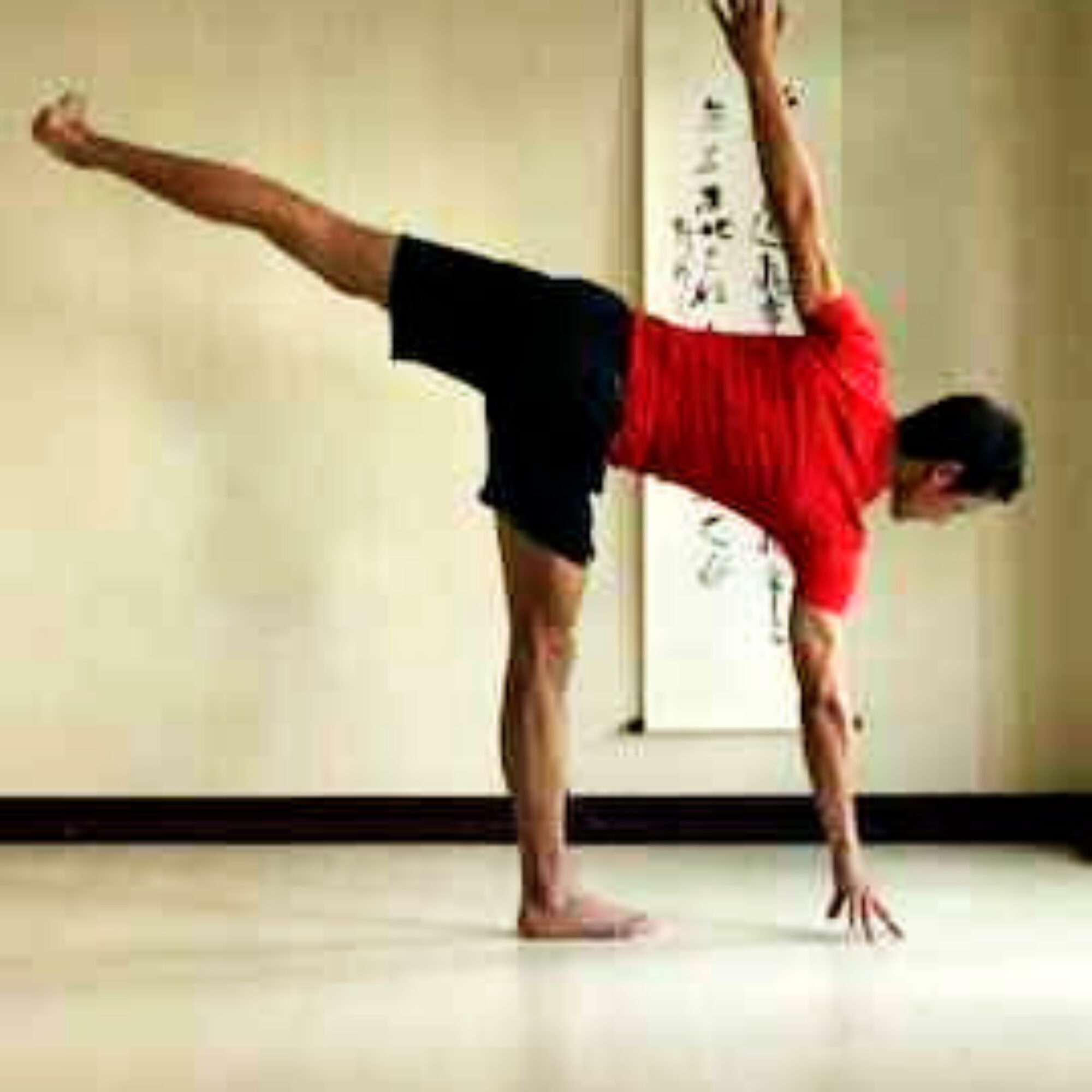
A reader wrote to ask about my August 2012 post, "Three things I learned from yoga" "With yoga you can use your body alone to create many emotions and learn how to handle them." Have you written more about this? I can only see me creating fear, determination, calmness, anger and patience. These don't count to many, so I wonder what other emotions could one create? I haven't done yoga in years, mainly since I found burpees and other sidchas easier, more convenient, and giving results I valued more, but I learned a lot from it and am glad I did it. And I would still recommend my teacher for anyone interested in yoga. Her background in dance made it more fun and artful. Looking…

0 Comments

Technical solutions rarely solve social problems

"If we can put a man on the moon, we should be able to solve homelessness." "New York City has sparkling glass-and-steel skyscrapers with multi-million-dollar luxury condos, yet ten yards from their entrances are homeless people who go to sleep hungry." These observations are almost cliché. You could say them about any city or country. They show deep misunderstandings about the problems they describe, which keep us from solving them. The ability to feed the hungry, clothe the unclothed, shelter the homeless, and so on have never been the problem. We have the food, building materials, and so on. The issue has never been if we can build enough buildings to house people. We can. Same with food. So far, the world has always had…

0 Comments

The problem with “We need more women leaders / in tech / in STEM fields / etc”

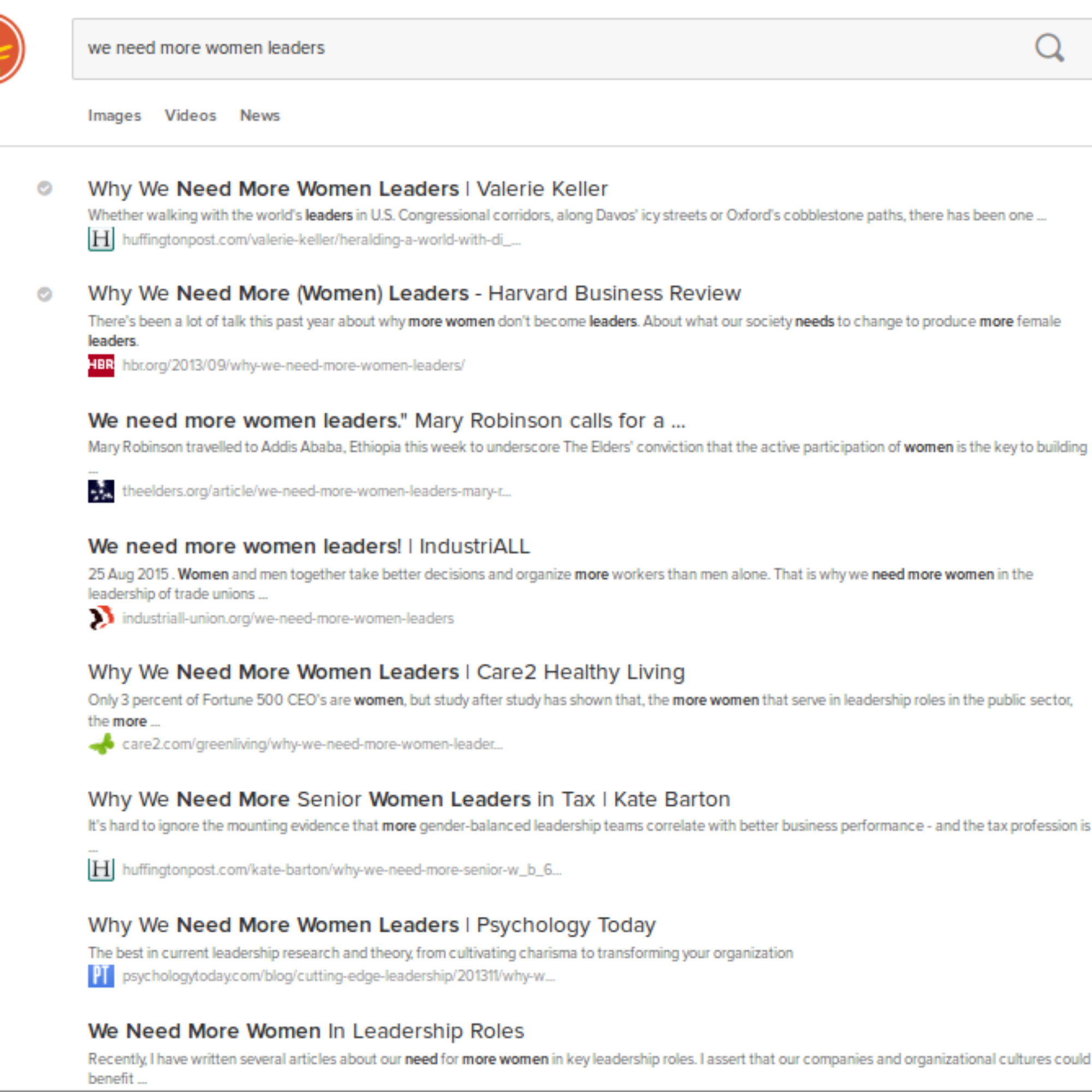
Teams with members with diverse experience and skills outperform teams without diversity, as I understand research shows. My experience is consistent with that view. I am a huge fan of diversity, and, for that matter, equality. Many people promote having more women in areas where there are fewer---in leadership, in science, technology, engineering, and math (STEM), in college, and so on. Searching on the topic on the web shows plenty of results. The internet's preference for promoting women in leadership becomes more stark when you search on needing more men leaders, where the top seven links promote women, not men, nor diversity. The same happens for women in STEM. Searching on women gives plenty of results promoting women in STEM. Searching for men shows the…

0 Comments

Confusing perception and reality will make even experienced leaders cry

A coaching client was in tears during a call not long ago. She lives in another time zone so the call was in the evening, after work. I took the call in my home. She called from hers. I felt for her, but my job was to coach her through the situation---to enable her to make herself feel better, resolve the cause, and know how to resolve similar future situations. The issue was that she was trying to reach a high-status person who was also a gateway to a big project for her. Without him, she would have trouble proceeding. He had returned her emails a few times a few months ago but stopped. She hadn't heard from him in months and concluded he dropped…

1 Comment

If you want your car to run better, learn about engines and brake systems, not car noises. If you want to lead, learn about emotions and motivations, not how people annoy you

Nearly everyone I coach wants help handling someone difficult, usually a boss, someone who reports to them, or spouse. When I ask my client why the difficult person behaves how they do, they answer how everyone does: they tell me how the person annoys them. But describing their behavior doesn't say why they do it. What they do is the result of their motivation. It's like describing the noise a car that needs repair makes. If you have a problem with someone, you want to change something---their behavior, your reaction, or both, but always emotions. If you want to influence emotions, focus on emotions. Influence and motivation mean changing emotions. Ignoring someone's emotions cripples your ability to influence them. Talking about behavior when someone asks…

0 Comments

How to make less more

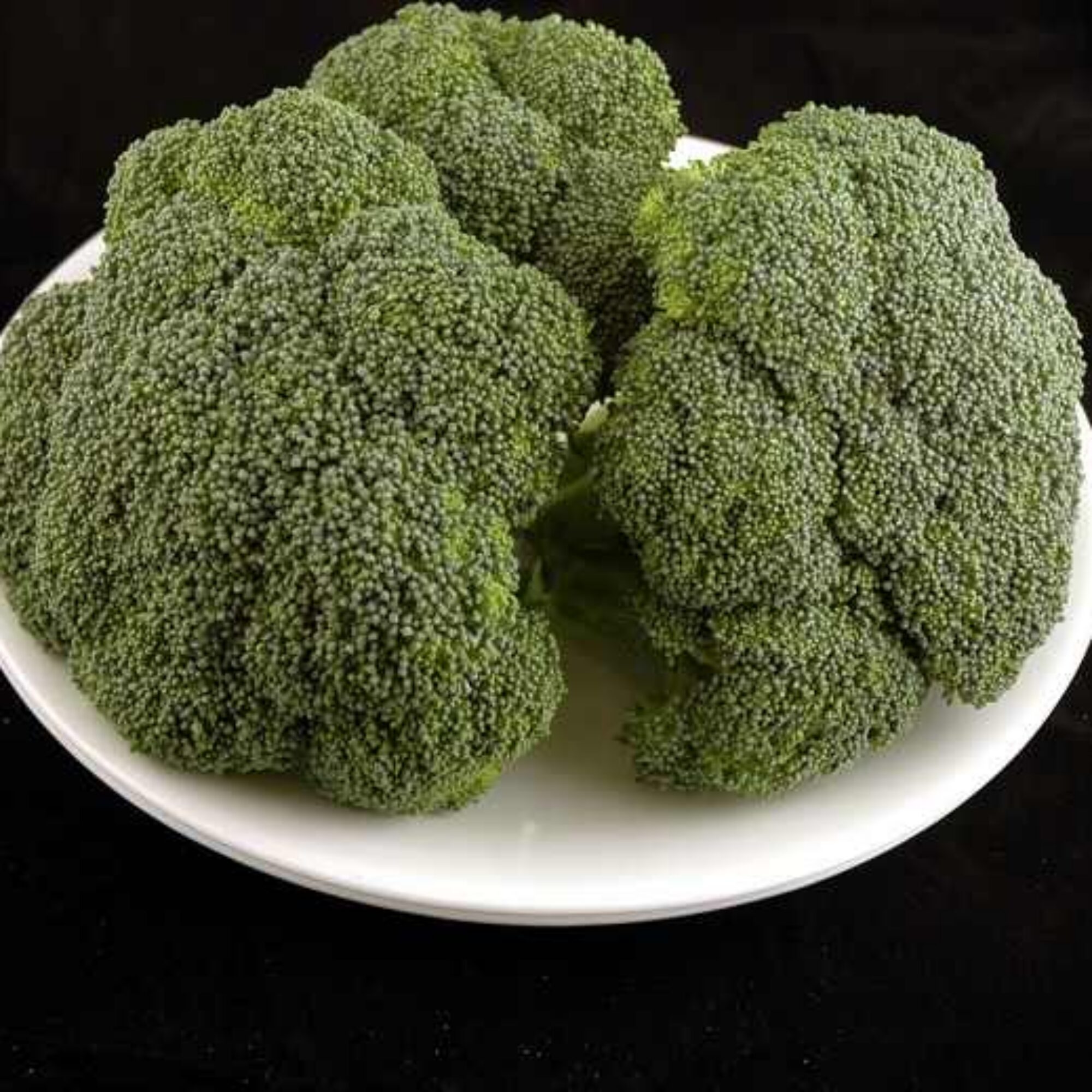
I eat a lot of mixed nuts and peanut butter. As far as I know, they're all healthy to someone without allergies. I eat a lot of them. I found a site that shows pictures of two hundred calories of various foods. I like and eat a lot of broccoli. Here's two hundred calories of broccoli: Looks like an amount that would go a long way to filling me up. Here's two hundred calories of mixed nuts: Not much! They would taste delicious and I love their crunchy, creamy texture, but if I wanted to fill myself with food, I'd choose the broccoli. Here's two hundred calories of peanut butter: Not much either. So how to make less more? I decided that as much as…

0 Comments

End of content

No more pages to load