Pollution and Depletion


Secret video of Beth picking up litter goes viral in Mexico

The background: Longtime podcast listeners may remember episode 754: (Aunt) Trish Ellis and (Niece) Evelyn Wallace, part 1: Not Even Cancer Holds Her Back. We mentioned Beth, Evelyn's mom and Trish's sister. All three of them took the workshop. Beth has been picking up litter ever since. She lives in Mérida, Mexico, where she organizes others to pick up litter too. They created a web page: Yo ❤ Mérida limpia. ¿Y tú?, which states their mission and vision: Mission: To promote the care, cleanliness, and respect for Mérida's public spaces through community actions that strengthen environmental awareness, a sense of belonging, and citizen participation. Vision: To build a Mérida where every person takes pride in caring for their surroundings, making cleanliness and respect for nature part…

0 Comments

Can the Constitution Save the Planet?: A professor of environmental law’s view, part 1

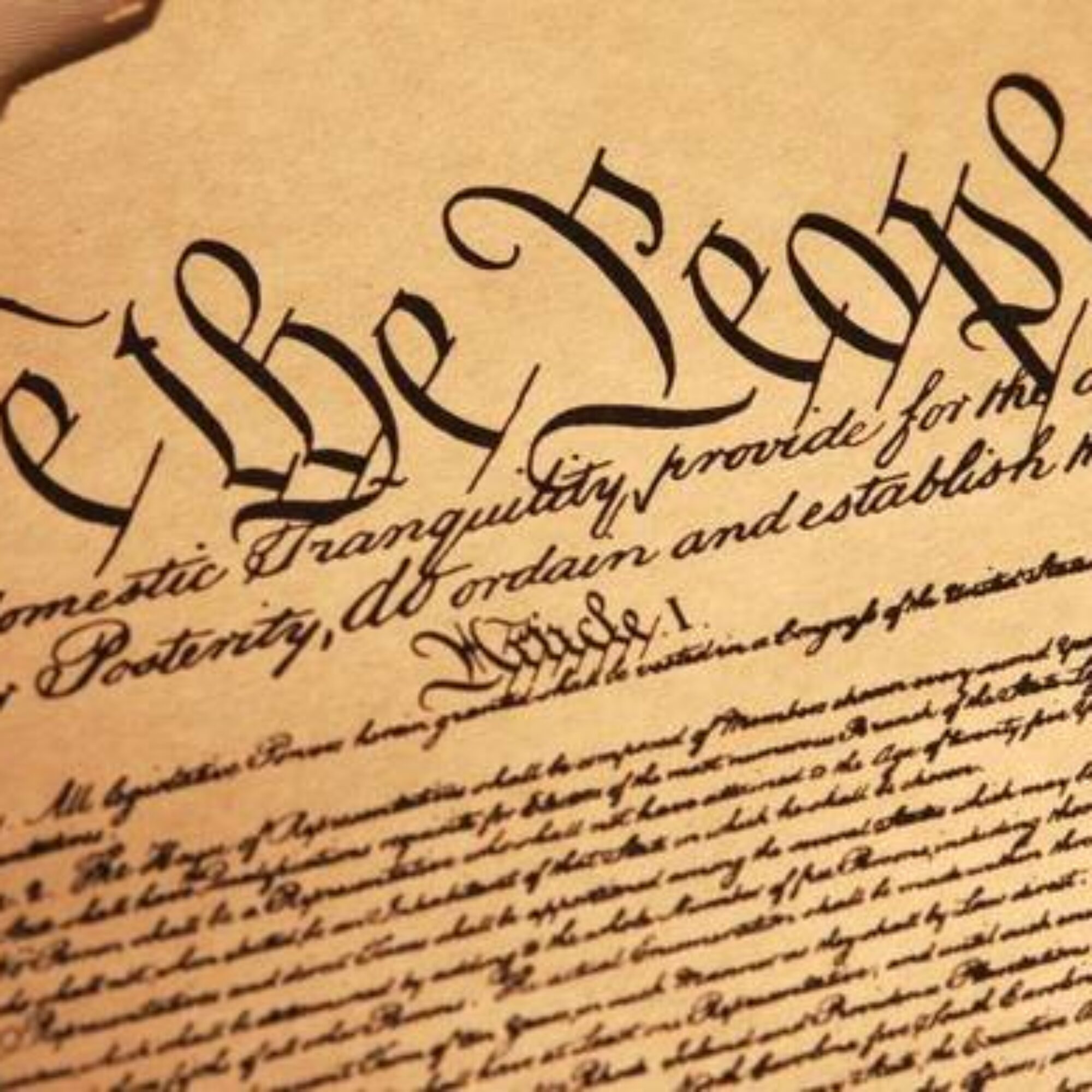
I met a professor at Pace University who told me that its law school ranked number one in environmental law. It turns out it does: My upcoming book approaches problems we face today, including environmental degradation as one of many, as resulting from not understanding how the Constitution applies. More precisely, they result from not enforcing the Constitution. I was interested in talking to lawyers with constitutional backgrounds. I should note that I've learned that constitutional lawyers don't tend to be trained in leadership. When I proposed the APPLE PIE amendment in Sustainability Simplified, I learned that the creation of new amendments doesn't have to come from lawyers. As far as I can tell, they seem to train to look back at existing ones, precedent, and…

0 Comments

Last week’s heat wave, air conditioning, and fragile, entitled people

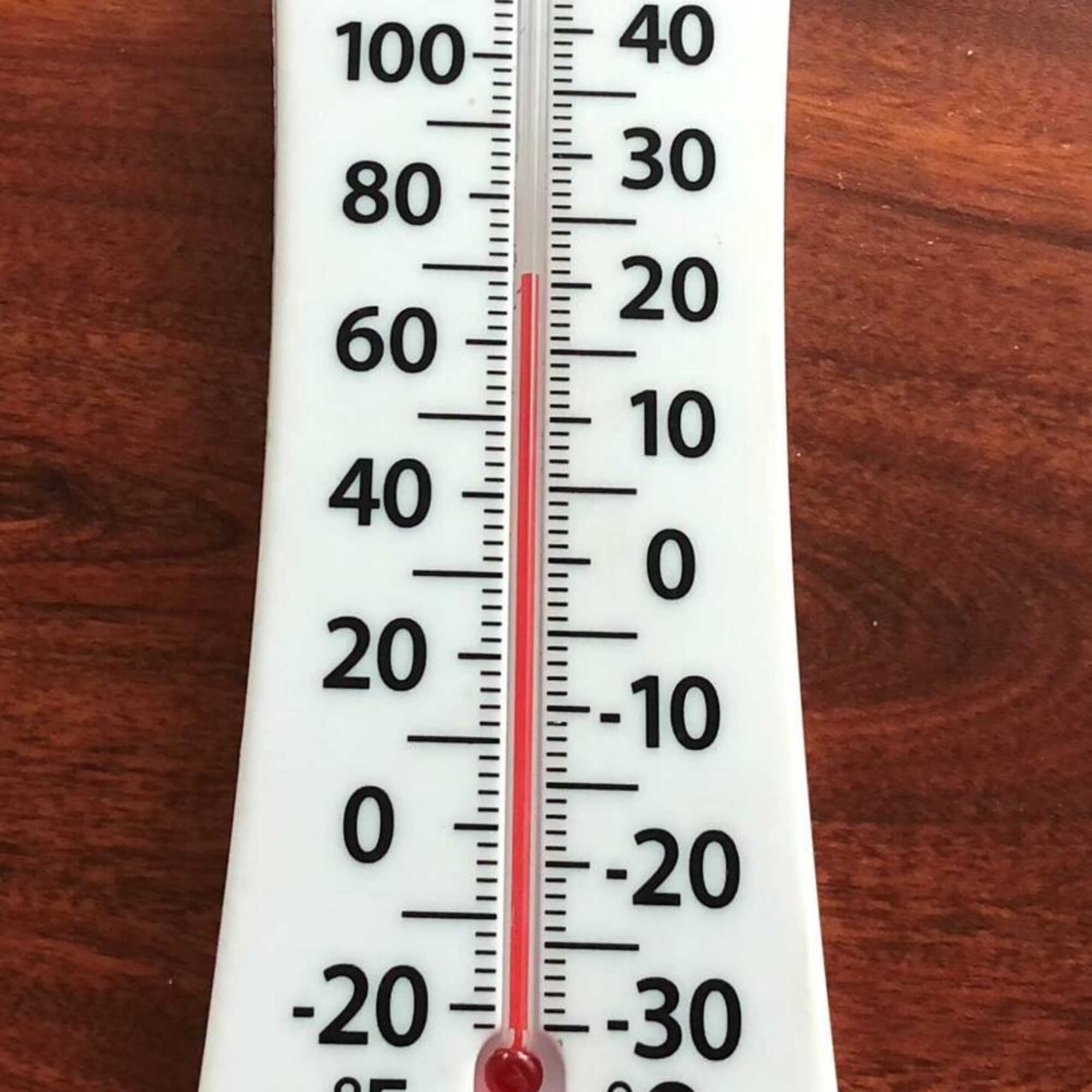
Last week the temperature went above 100 F (38 C) for two days and close to it for a day or two before and after, plus it was humid. Everyone talked about the heat. I didn't try to bring it up, but my not using air conditioning led people to the same questions over and over: how did I make it, did I use a fan, etc. Everything always about me, never about the people hurt by my polluting and depleting. Then most comment on how they couldn't make it. Occasionally an old person will mention how they grew up without air conditioning and don't like it, though they use it when it gets hot enough. I point out that people have lived on this…

2 Comments

Recent peer-reviewed research that when people live as I do, they prefer it and don’t want to go back

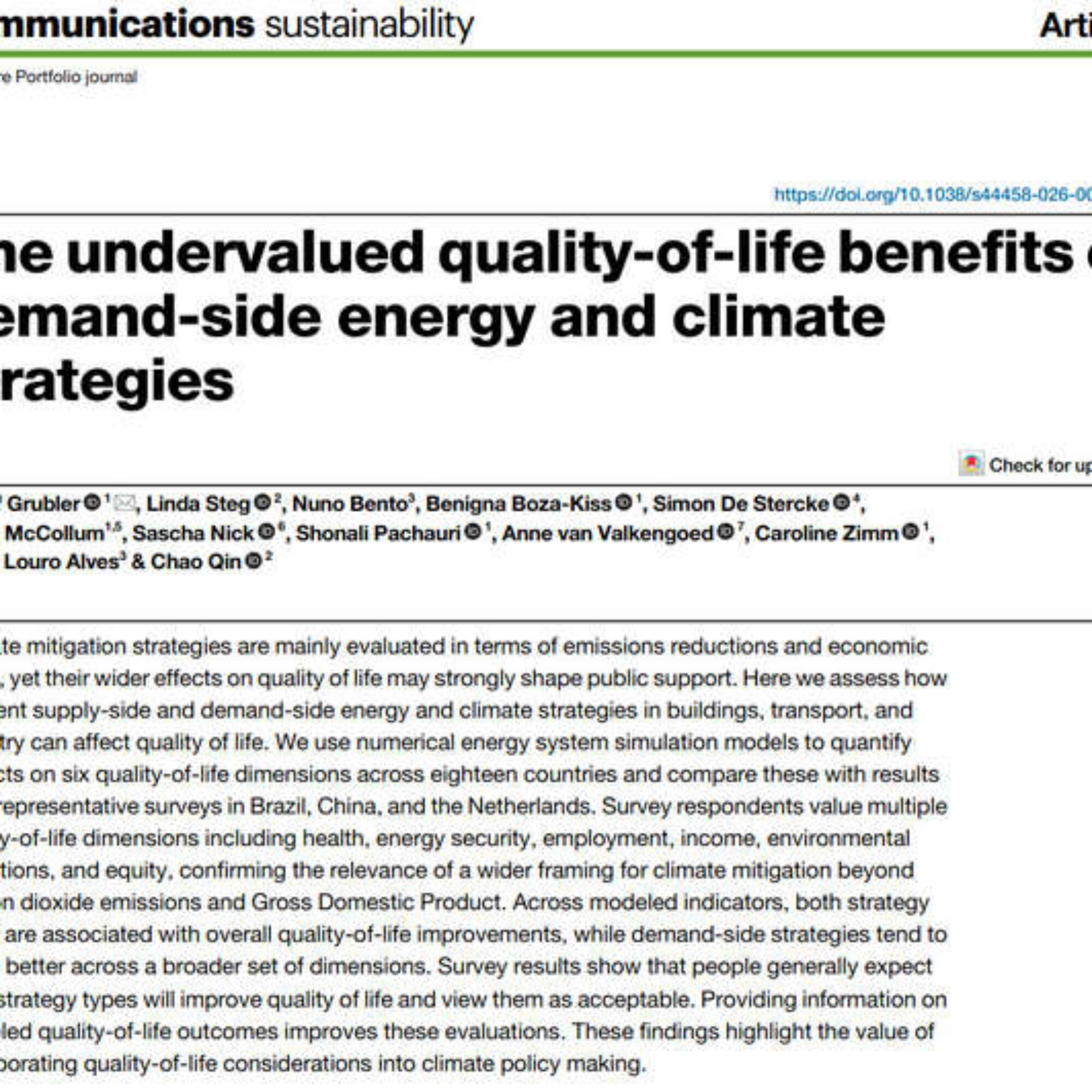
A friend and workshop graduate sent me a news article that described and linked to primary research published last month in a journal called Communications Sustainability within the family of Nature journals. The journal article: The undervalued quality-of-life benefits of demand-side energy and climate strategies. The news article in plain language: Cutting energy use may improve quality of life more than cleaner technology. The news article described the main result of the journal article. It compared how people felt about acting on different strategies to reduce polluting and depleting. Some strategies reduced behaviors that polluted and depleted or otherwise used less (demand-side strategies). Others relied on new technologies, like heat pumps and electric vehicles (supply side strategies). When different strategies achieved similar environmental results, how did…

0 Comments

Why I avoid polluting and depleting

Media coverage on me mostly presents me as an environmentalist. When they report on my disconnecting my apartment from the electric grid, avoiding flying, and taking a decade to fill a load of household garbage, they post pictures of solar panels. They know what readers look for. I tell them that focusing on my solar panels and how I make do is like going to Martin Luther King during the Montgomery Bus Boycott and asking what shoes he wears, what routes he takes, and how exercise is healthy. They would miss that the point of the boycott wasn't shoes, walking, or exercise but liberty, freedom, equality, democracy, and national security. Everyone misunderstands why I avoid polluting and depleting. Also liberty, freedom, equality, democracy, and national security.…

2 Comments

Beyond no electric bill: Money returned from allegedly fraudulent overbilling

This post is about my home being disconnected from the electric grid. Everyone misunderstands why I disconnected, so first a few words for context. I'm not an environmentalist. Environmentalists make my skin crawl. I disconnected for a few reasons. First, I don't want to hurt people without their consent. Polluting and depleting hurt people without their consent, therefore I try to avoid polluting and depleting. Second, polluting and depleting violate the Constitution by depriving people of life, liberty, and property without due process of law, as well as the Declaration, which says that for a government to be just requires the consent of the governed. This nation has a cancer alley, death mile, and other sacrifice zones, as well as many other ways people are…

0 Comments

Environmentalists fund pollution and depletion

I value the Washington Post's Climate Coach newsletter. It has featured me and my voice several times: Read my plucky quote in today’s Washington Post and See me in the Washington Post’s Climate Coach again, for example. I email with its author, Michael Coren. I also know the Post serves its customers. Last I checked, Jeff Bezos runs it and does so actively. I presume the publishers know their readers and deliver what they value, even if those readers don't include many past readers. The newsletter includes ads. That's business. I'm not complaining. I suspect Coren doesn't choose the newsletter's ads. I presume some tracking and profiling determine who reads it and what they spend their money on. With a name like Climate Coach, I suspect the readers consider…

0 Comments

Do you still believe in an “energy transition”? Learn Alice Friedemann’s research

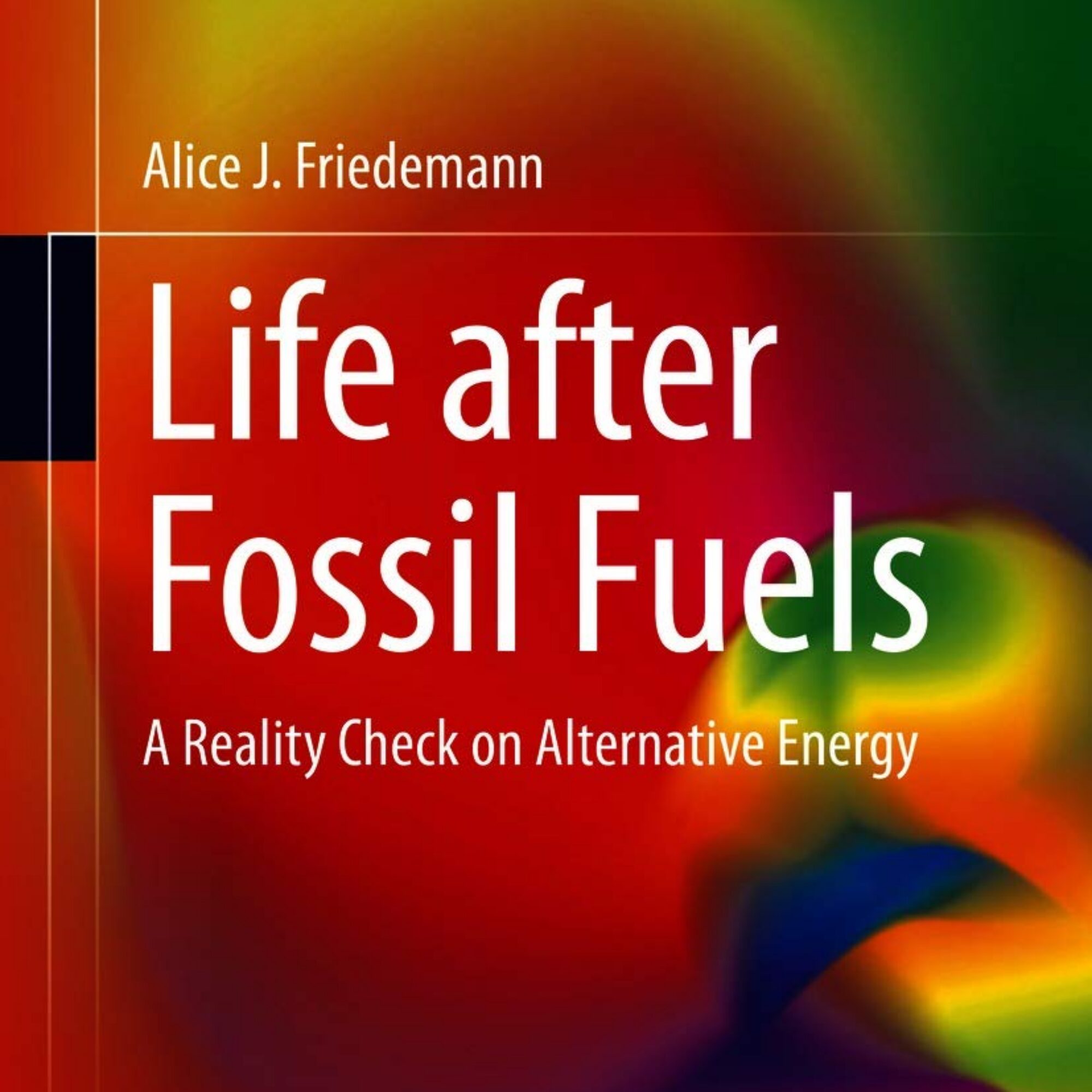
Someone posted about Alice Friedemann in an online community I participate in. I found her book Life After Fossil Fuels and blog energyskeptic.com influential. The book may be expensive and the blog dense, but she cites all her sources and her publisher is Springer, which holds a high reputation for science publishing. I haven't yet read her book When Trucks Stop Running, but she's described a lot of it in her interviews and conversations. I've mentioned her in several posts: Reader question: Why do I say solar and wind aren’t clean, green, or renewable? Renewables are less renewable than we thought. That’s the starting point. Overwhelming research: “Green Growth” is a scam that accelerates lowering Earth’s ability to sustain life. Following or propagating it hurts us.…

0 Comments

Do you believe Exxon and peers were wrong to sell and burn fossil fuels when they knew the results?

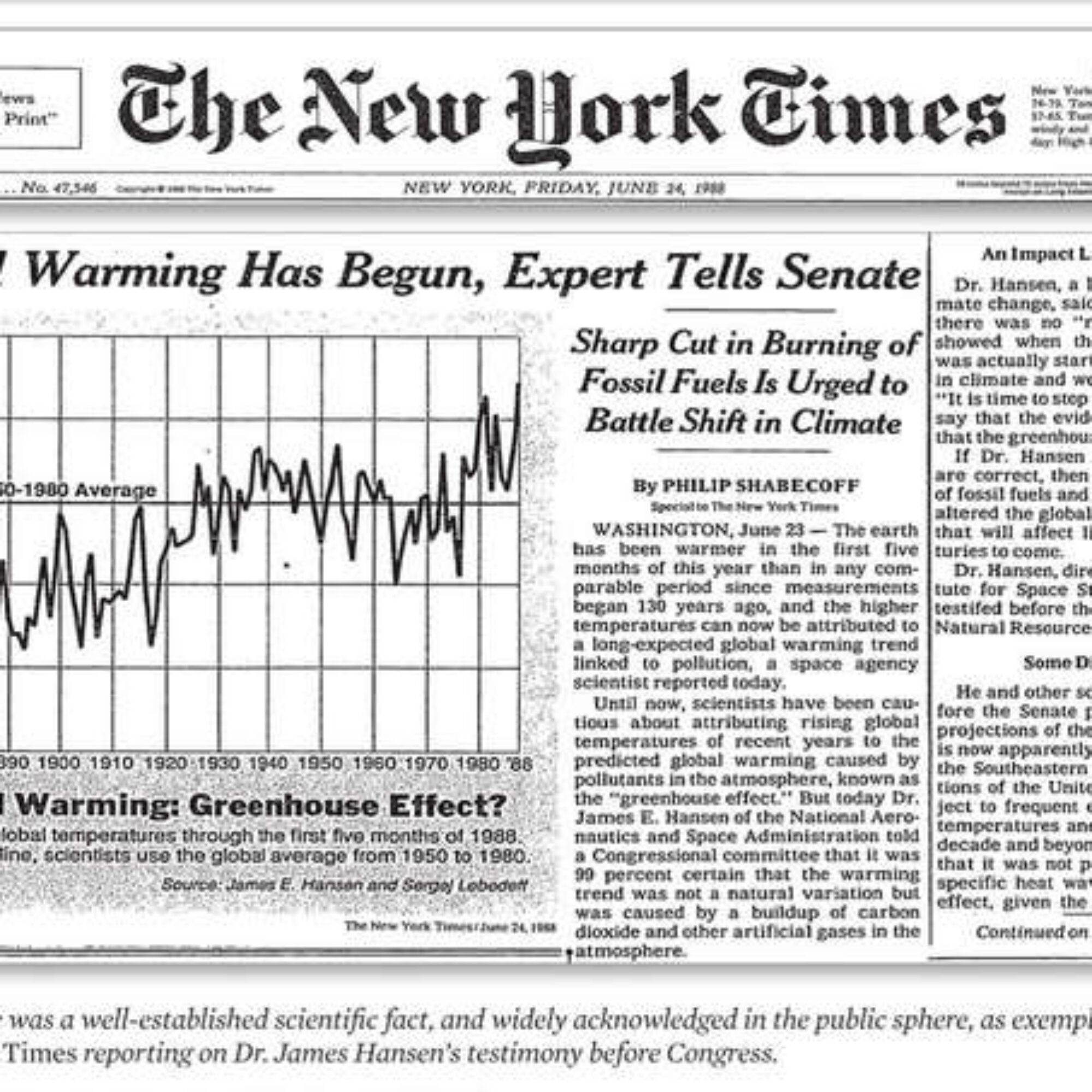
Do you believe Exxon and peers were wrong to sell and burn fossil fuels when they knew the results? I hope you do. Why? Because today, June 24, in 1988, the New York Times published those results on its front page news. Since then, you and everyone in the world have known at least enough to know the important part of what they knew. Actually before then, since the Times story was far from the first widespread publication about it, but it was a big one. It's tempting to say that they are different because they are bigger than you. Tempting but specious. If you do something that hurts people, who else but you is responsible for your actions? If you can't change the world, are…

0 Comments

A tragic comment the dean said about artificial intelligence at my 20 year business school reunion

Yesterday I wrote personal reflections about my business school reunion. Today I have to share a tragic comment from the Dean of the school. There was a town-hall type gathering where he spoke about the state of the school. One of the main topics was that the school was embracing artificial intelligence with enthusiasm. He spoke of how professors were being trained in it, students were encouraged to use it, and so on. At the end he acknowledged that using AI polluted and depleted. I think he acknowledged even that the scale was already huge, accelerating, and without any ways to curb it. His response to this acknowledgment: "We have to be cognizant of that." Be cognizant? What kind of cop-out is "be cognizant of that"?…

4 Comments

First we pave more land nearby and it’s no big deal…

First we pave more land nearby and it's no big deal. In fact, the road or housing development boosts the economy. More people can reach places faster. Then we expand that paved area, again no big deal. The we have to travel to get away from it all. There is no local nature, no chance for solitude in nature. Then we pave over yet more to access more remote places, maybe build an airport, to facilitate getting away from it all. Then we acknowledge that we've wrecked or done away with nature nearby so we feel we have to get away and feel entitled to what we need to get away and to the remote nature we get away to. Then we build adorable little…

0 Comments

When did you last prepare a meal from scratch?

Nearly everyone I tell that I don't use a fridge responds, "You must shop every day," or asks how often I shop, implying that they think it must be frequently. I've been answering by pointing out that apples and eggplants don't need refrigeration, nor do most whole fruits and vegetables. Most of the produce in this picture will stay edible for weeks without refrigeration. Several will keep months or longer if fermented. Meanwhile, look at the second picture below. Nearly all the produce in the picture below will start decomposing as soon as they aren't refrigerated. They're worse in nearly every way: less fresh, more polluting, more fragile, more depleting, etc. Notice that you can't directly see or touch produce or anything living. In the…

4 Comments

What do we do about past choices that ended up violating our values? Do we just give up? Wouldn’t you rather win?

The number one resistance I hear to flying is that people have family flying-distance away. For most people who fly a lot, the following is checkmate: "What do you expect, never to see their mother again?" Implication: the environment is important but family is more important, so for whatever its problems, flying is net worth it. Similar with plastic, big cars, etc. Context Before getting to the heart of this view, first let's note that it is specious, deceptive, and self-serving. Flying made them flying-distance away in the first place. They don't hesitate to fly away from their family. People who fly spend less time with family, not more. Then they start talking about how they need to live where they do for work, or…

0 Comments

The 5 greatest flaws I see in environmentalism

I see environmentalism increasingly causing environmental degradation because the core of its practice is misguided. I started this post to write about the two greatest flaws I see in environmentalism, but three more came to me while writing. My goal is not to be comprehensive or authoritative but to provoke thought and behavior change. [EDIT: I came up with more since posting, so now more than 5. I may keep updating.] To believe that suing more solar, wind, or any energy source, including nuclear or, should it ever work, fusion, will lower use of fossil fuels or uranium, or their resulting pollution and depletion. Corollary: To believe that calling solar, wind, or any energy source as implemented today "clean," "green," or "renewable" means that it…

0 Comments

“Are we running out of land for landfills?”: A Richard Feynman view from the 1986 Space Shuttle disaster

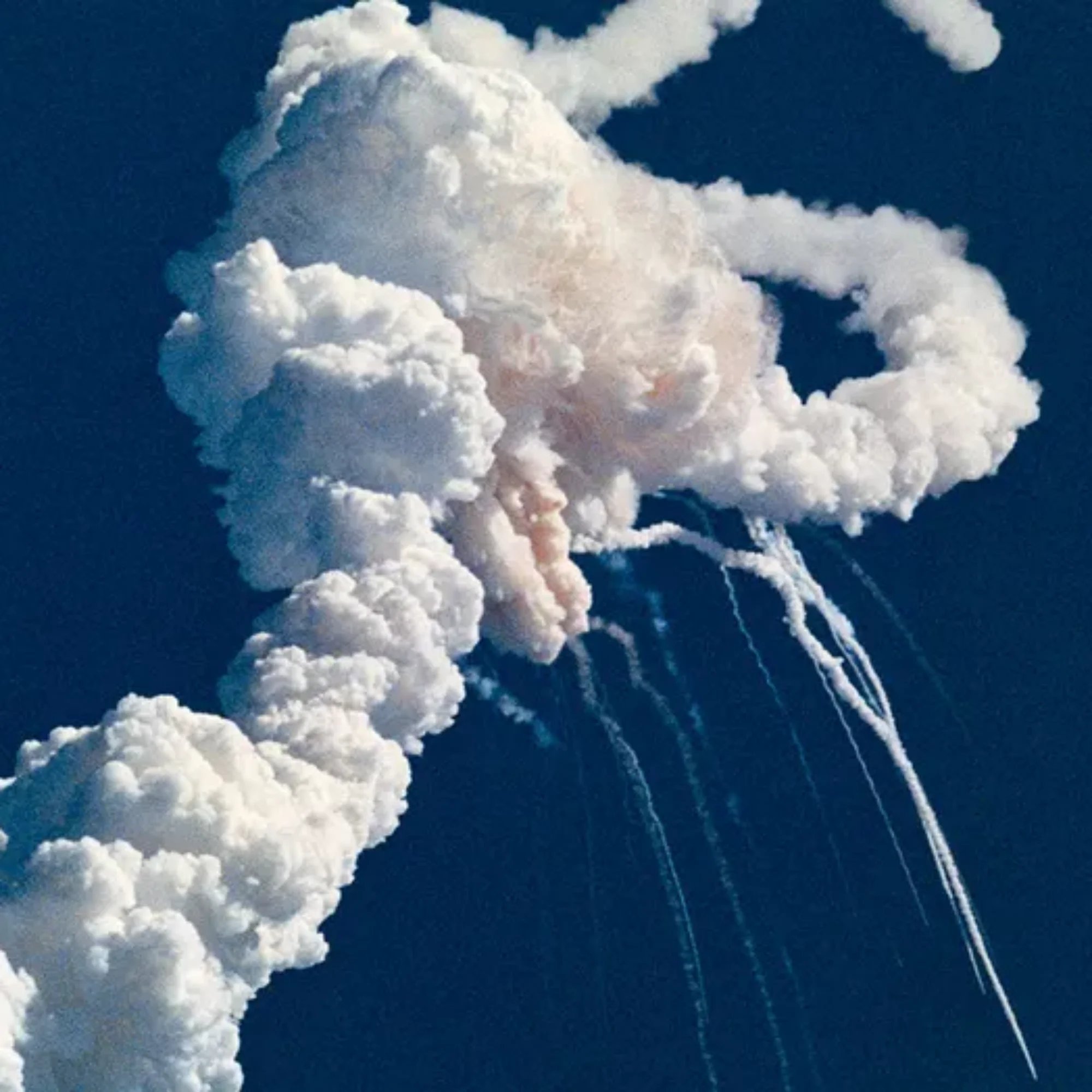
Richard Feynman is the Nobel laureate physicist who studied what caused the Space Shuttle Explosion of 1986. He learned that the o-rings likely leaked because past measurements showed cracks in them at low temperatures, like those just before the launch. Anyone my age or older remembers the image. He saw that people who saw the earlier cracks saw that because the cracks only went about a third of the way through, "there was 'a safety factor of three.'" I put the full quote below, which I recommend reading, but the gist is that since the o-rings were designed not to crack at all, there was no safety factor. Any cracking at all meant they failed. The Relevance to Landfills I ran into an old friend. Our…

0 Comments

“Could Switzerland Become the First Country to Cap Its Population?” asks the New Yorker, and I comment.

The New Yorker reported this week: Could Switzerland Become the First Country to Cap Its Population?: The Swiss will soon go to the polls for a novel initiative that could upend the nation’s economy and rupture ties with the European Union. An early paragraph describes the article's main issue. I'll share it plus a couple other paragraphs, then my comments after. On June 14th, Switzerland will vote on whether to become the only country in the world to officially cap its population, with a limit of ten million people until 2050. (The current population is 9.1 million.) The initiative, which was put forward by the Swiss People’s Party (S.V.P.) and in recent polls has been supported by as many as fifty-two per cent of respondents,…

0 Comments

NYU’s president breaks NYU’s rules, to pollute and deplete of course

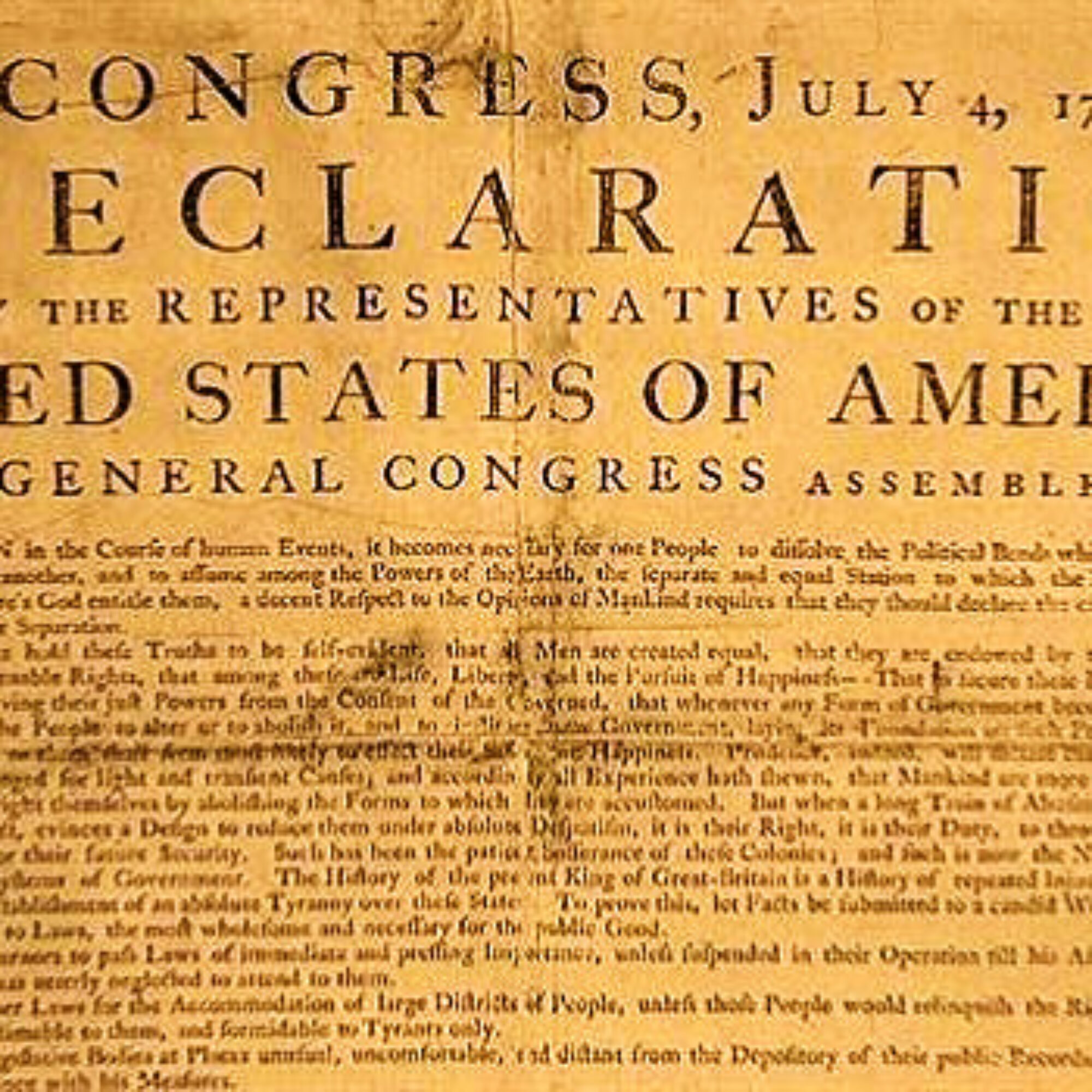
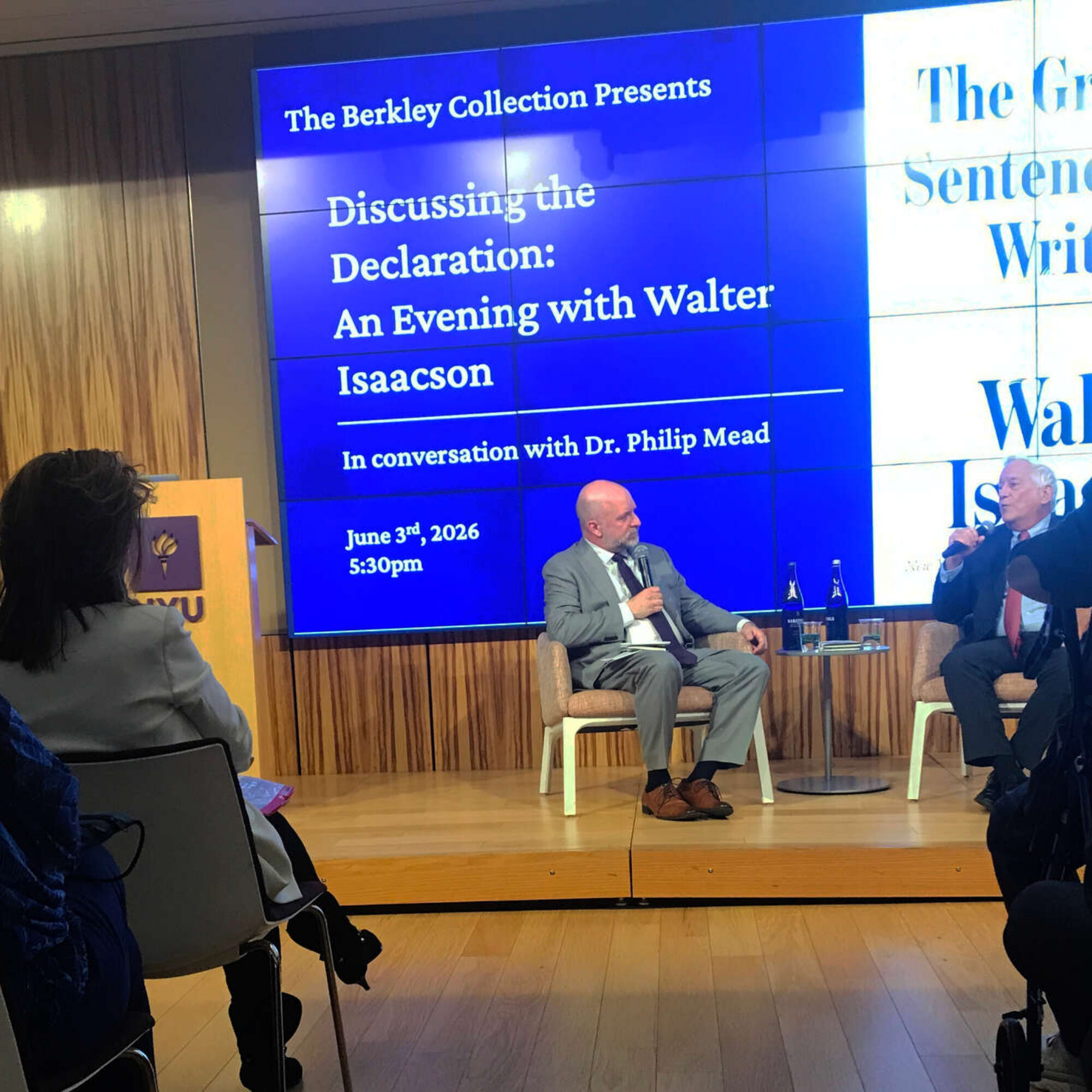
I wrote in 2023 about NYU consistently violating its own rules in NYU in 2019: We will stop buying bottled water. NYU in 2023: Here’s some bottled water from us. It's tempting to read something I'm not writing. I'm talking about leadership, which requires credibility and integrity, which require hands-on practical experience, not mere talk. I'm not writing in judgment. During a bus boycott, Martin Luther King would undermine everything if he occasionally took the bus, or even once, even if it took him places faster than any other way and he could do more with that extra time than anyone else. I attended a wonderful event hosted by NYU this week. The prominent author Walter Isaacson spoke about his book on the Declaration of Independence…

0 Comments

The Timeline for Pollution and Depletion’s Effects on People

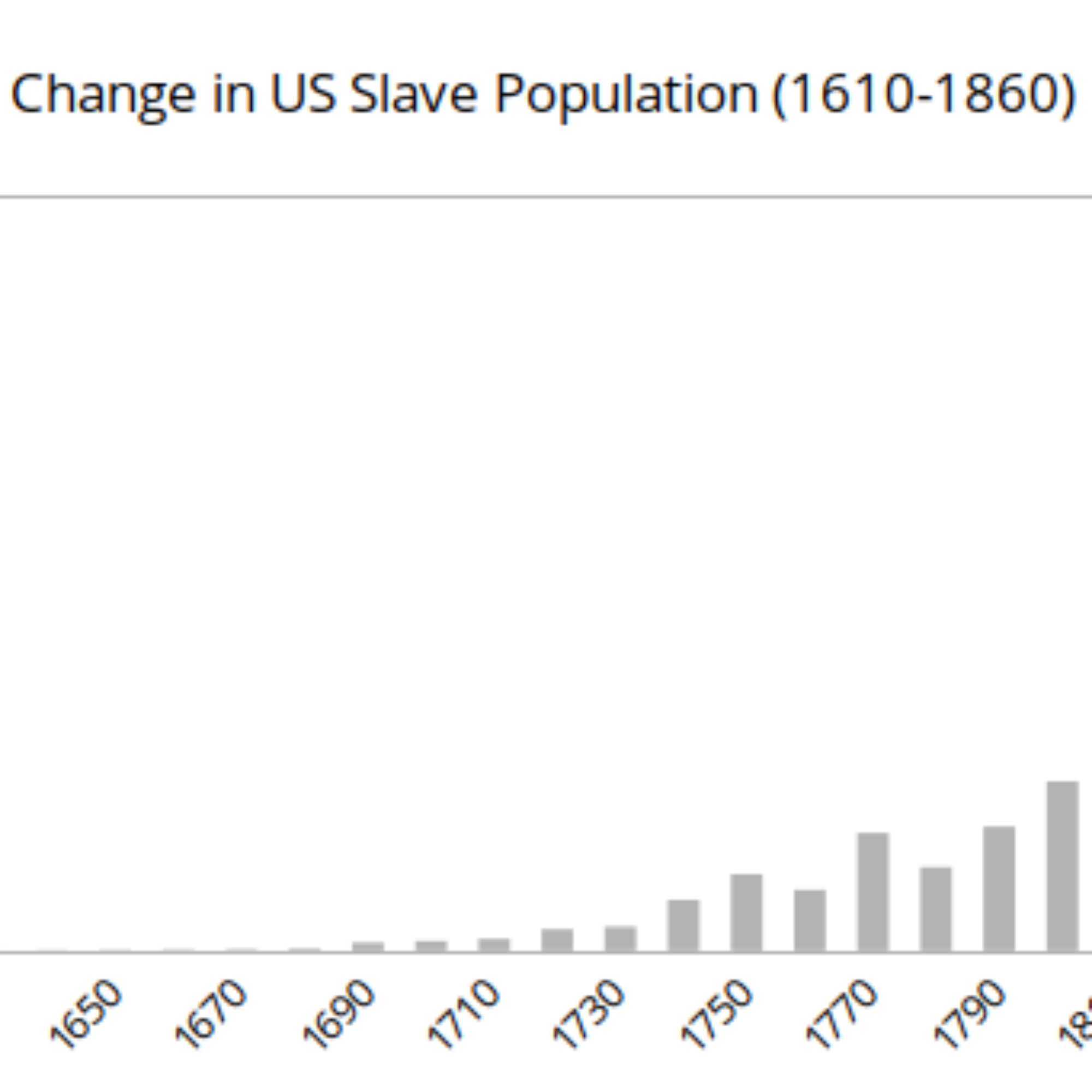
This post follows The Scale and Pollution and Depletion's Effects on People: Here, now, not future projections. I suggest reading it first. The timeline is important. Before the atrocities above, things could seem like they might work out, then explode. I could treat any of them, but will pick US slavery since its timeline is long, so easiest to discern. Here is the increase in number of slaves in the US from 1610 (zero) to 1860 (4 million): US slavery in the years approaching 1860 involved a national culture of trade, torture, and killing. While any instance of slavery is cruel, that national culture didn't exist in 1619. Oxford-educated Trinidadian historian Eric Williams wrote, “A racial twist has thereby been given to what is basically…

0 Comments

The Scale and Pollution and Depletion’s Effects on People: Here, now, not future projections

I talk about the USSR gulag system, abolitionism, slavery, the Holocaust, and similar atrocities in the context of pollution and depletion. Most Americans know the horrors of slavery and the Holocaust. We know viscerally the images of slaves' welts and concentration camp survivors looking like skeletons. By comparison, images of pollution and depletion look like piles of garbage and graphs of CO2 concentration. Similarly, few images of the gulag exist because few were taken and few Americans register how many more suffered and died, nor how gruesome the conditions. Am I stupid, ignorant, or crazy to talk about these atrocities in the context of pollution and depletion? Context and Frame of Mind Before reading this post, it helps to clarify how you feel about some…

0 Comments

The Hanford Nuclear Site

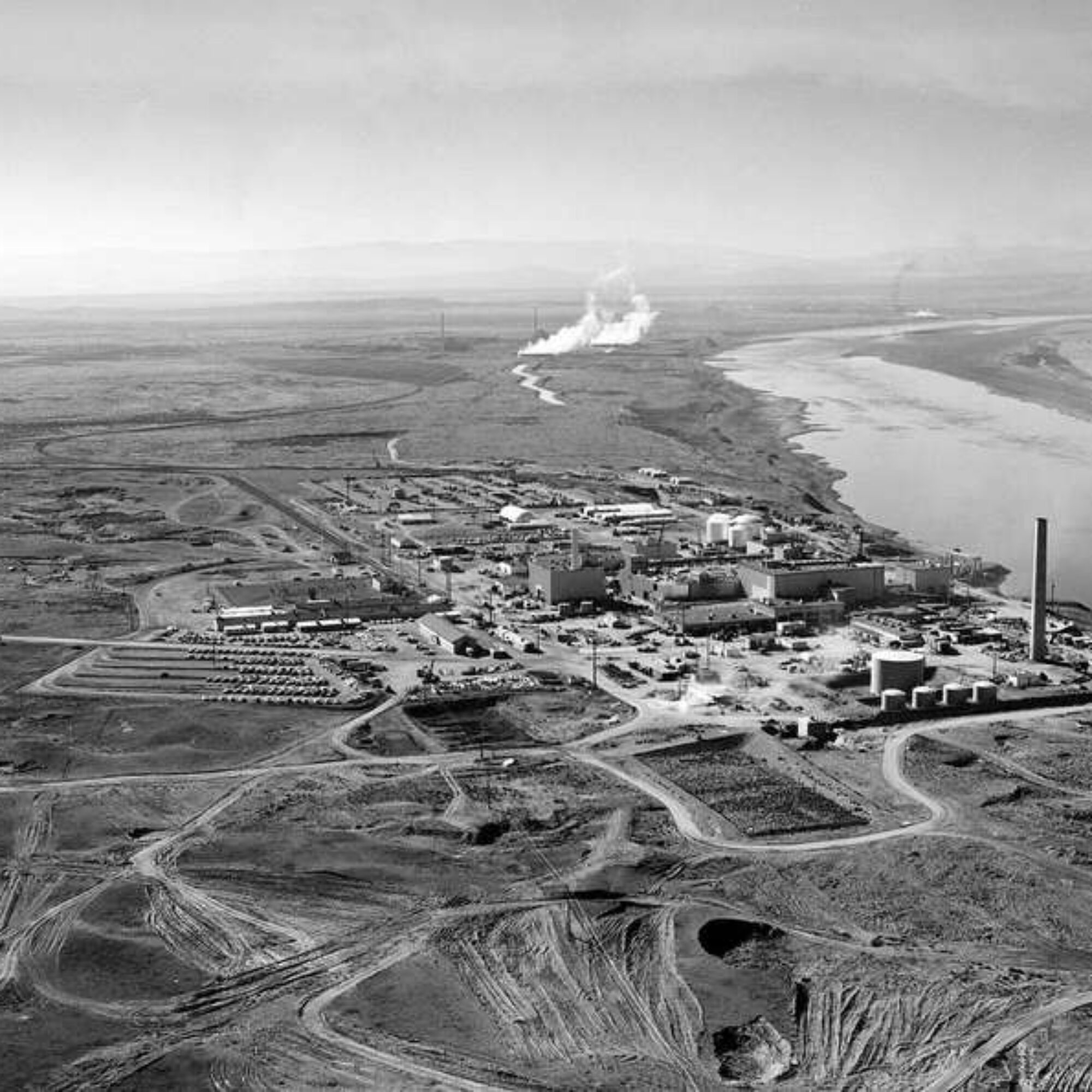
Hosting a top-ranked podcast with the word "sustainable" in the title means being sent pre-releases of books, documentaries, and other media. Most don't match with my focus, but some do. Often a book or author looks interesting and I research them. Lately I was sent a pre-release of Bad Energy: The AI Hucksters, Rogue Lithium Extractors, and Wind Industrialists Who Are Selling Off Our Future, by Joshua Frank. I didn't know the author so I looked him up and found his book Atomic Days: The Untold Story of the Most Toxic Place in America, about the Hanford nuclear site in Washington State. Have you heard of Hanford? I hadn't, so I looked it up. I'll quote what seems a source without a strong bias on…

2 Comments

About the comments to yesterday’s NY Post article about not using air conditioning

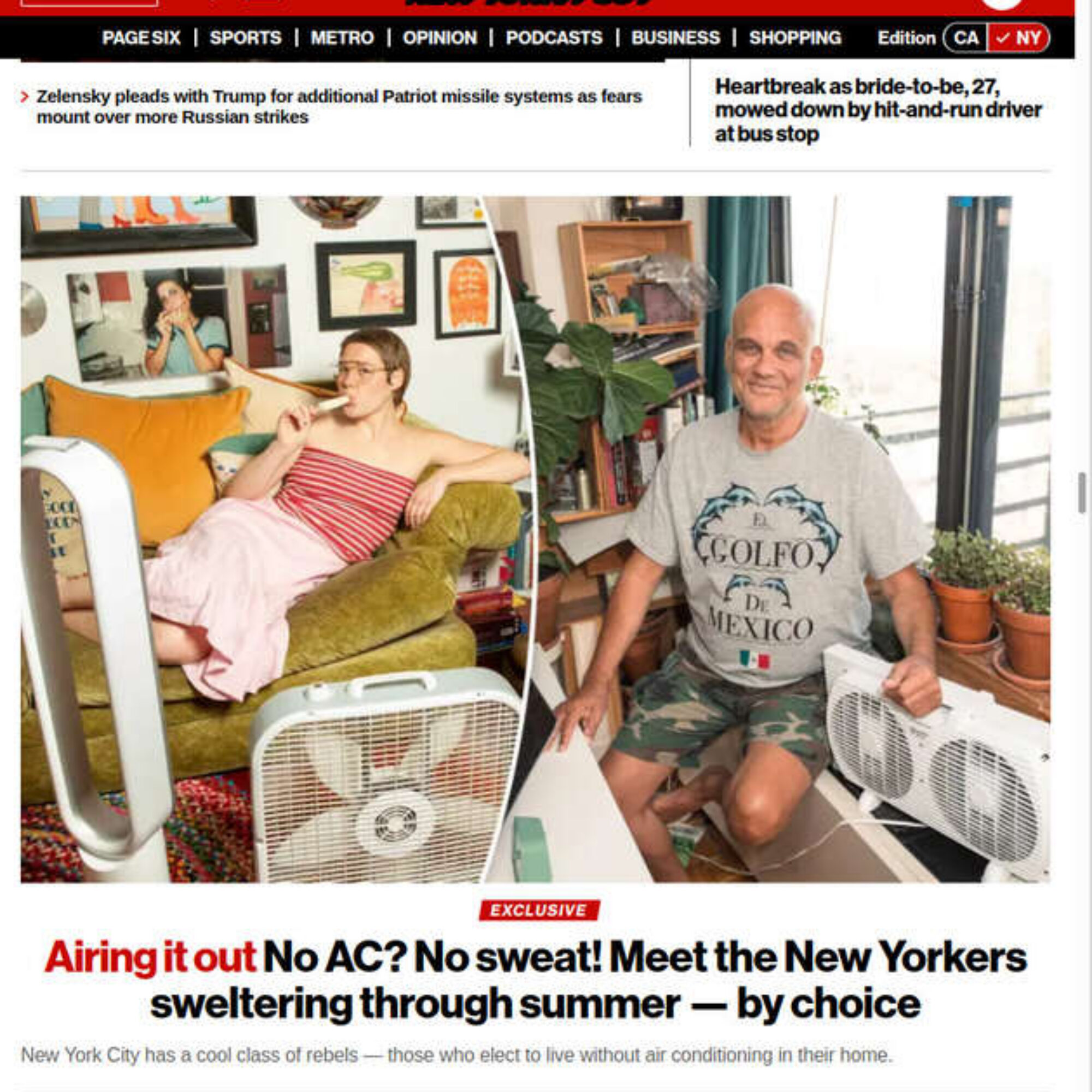
The article I posted about yesterday in Read about me in today’s NY Post: “No AC? No sweat! Meet the New Yorkers sweltering through summer — by choice” has been up less than 24 hours, but it's trending enough to get a big picture on the front page, though featuring the other two people profiled. I guess I wasn't as photogenic. I included the scroll bar in the image below to show that while it earned a big picture, it wasn't near the top. Still it got plenty of comments, which showed trends typical of comments, though the Post tends to conservative politically and aggressive, which I enjoy. Let's start with the unsupportive comments Here are two common responses that liberal and progressive environmentalists have…

2 Comments

Read about me in today’s NY Post: “No AC? No sweat! Meet the New Yorkers sweltering through summer — by choice”

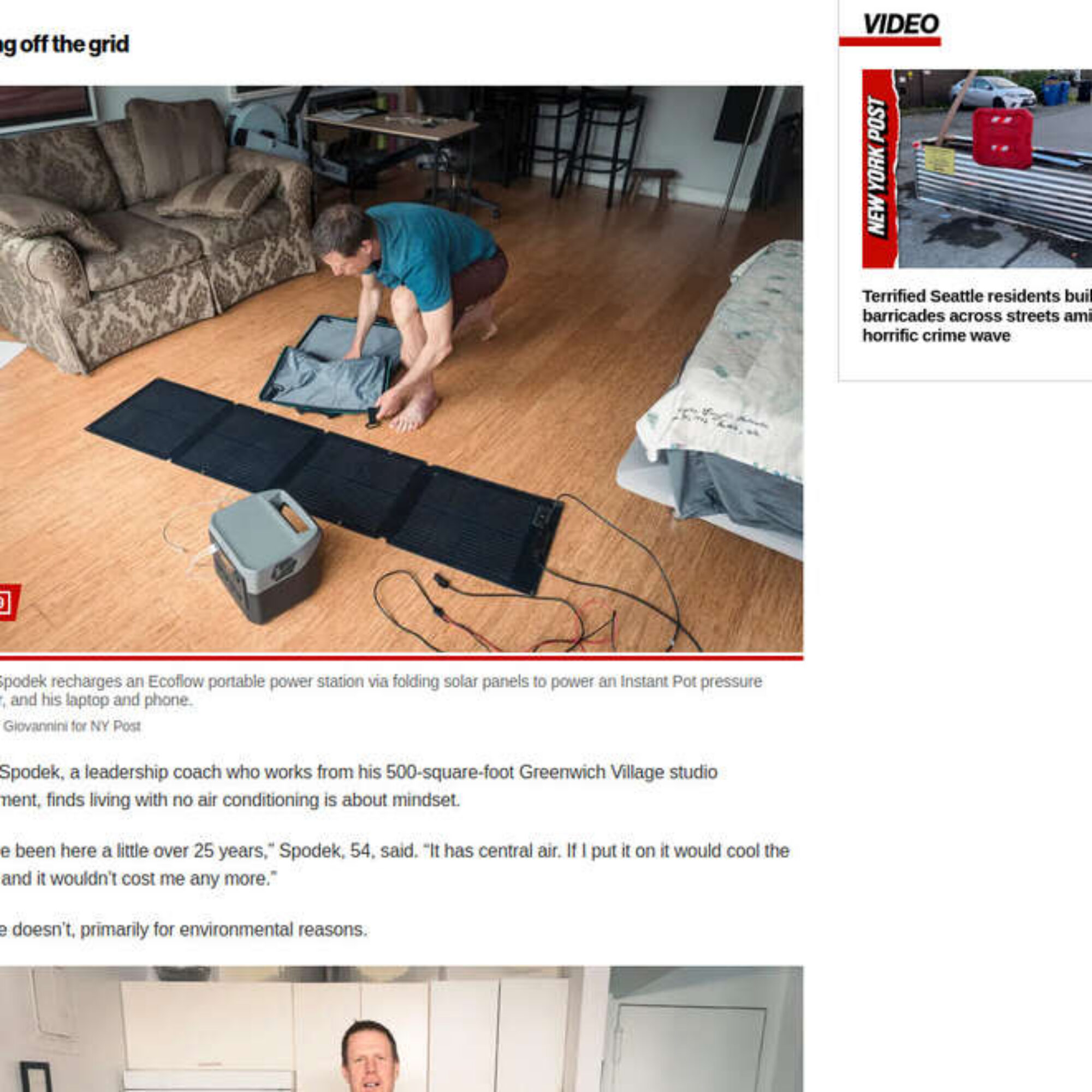
The New York Post interviewed and photographed me for a story on New Yorkers who don't use air conditioning: No AC? No sweat! Meet the New Yorkers sweltering through summer — by choice, written by Lauren Elkies Schram, photographed by Stefano Giovannini. [EDIT, after reading the article, read About the comments to yesterday’s NY Post article about not using air conditioning] The story begins: New York City has a cool class of rebels — those who elect to brave the crushing summer heat without air conditioning at home. It is a small, but mighty group that opts to use fans, take cold showers and work in cool alternate locations during the hot months. Now, following a dreary holiday weekend, temperatures are back on the rise…

0 Comments

Year 5, Day 1 with my apartment disconnected from the electric grid

I only wish I’d disconnected sooner. Not needing something means more freedom, especially not needing something that Violates the Declaration of Independence (for a government to be just requires the consent of the governed, which pollution and depletion violate) Violates the Constitution (pollution and depletion deprive people of life, liberty, and property without due process of law) Violates property rights as understood by the framers, ratifiers, and public (pollution and depletion do not leave enough as good in common for others) Good luck maintaining democracy without enforcing the minimum requirements for it. Good luck leaving at peace with yourself violating your values. I take for granted you value living in a democracy, not descending into civic disorder leading to tyranny, civil war (remember last time…

0 Comments

Should I fear posting concerns about artificial intelligence?

I'm posting more about artificial intelligence, maybe enough to make a category for it. I posted that I hesitated to post my last one with this explanation: "I held back on posting it because of the question in the last paragraph. I’m finishing the third volume of The Gulag Archipelago and studying the effects of dominance hierarchy, which artificial intelligence is forming. People who criticized Stalin didn’t fare well. Should we worry about criticizing the people and machines who may be at the top of a steepening dominance hierarchy?" I doubt I have to worry, but reflecting on something thoughtfully and calmly isn't worrying. Besides AI, I also post a lot about dominance hierarchies. They form when there is a necessary resource that can be…

0 Comments

Do you want to deprive others of free speech?

Do you want to live in a society where you can deprive others of free speech or freedom of the press? I wouldn't. I presume you value that your government protects your freedom of speech and the freedom of the press for that media you agree with. Can you imagine living under a government that didn't? I'm in the middle of The Gulag Archipelago. It gives some of the picture and it doesn't like desirable. It's tempting, is it not, to think sometimes, "As much as I value my freedom of speech, sometimes people say things I dislike so much that I'd like to be able to restrict theirs. Not always, of course, but sometimes." Or you learn what the other side's media tells them:…

0 Comments

End of content

No more pages to load